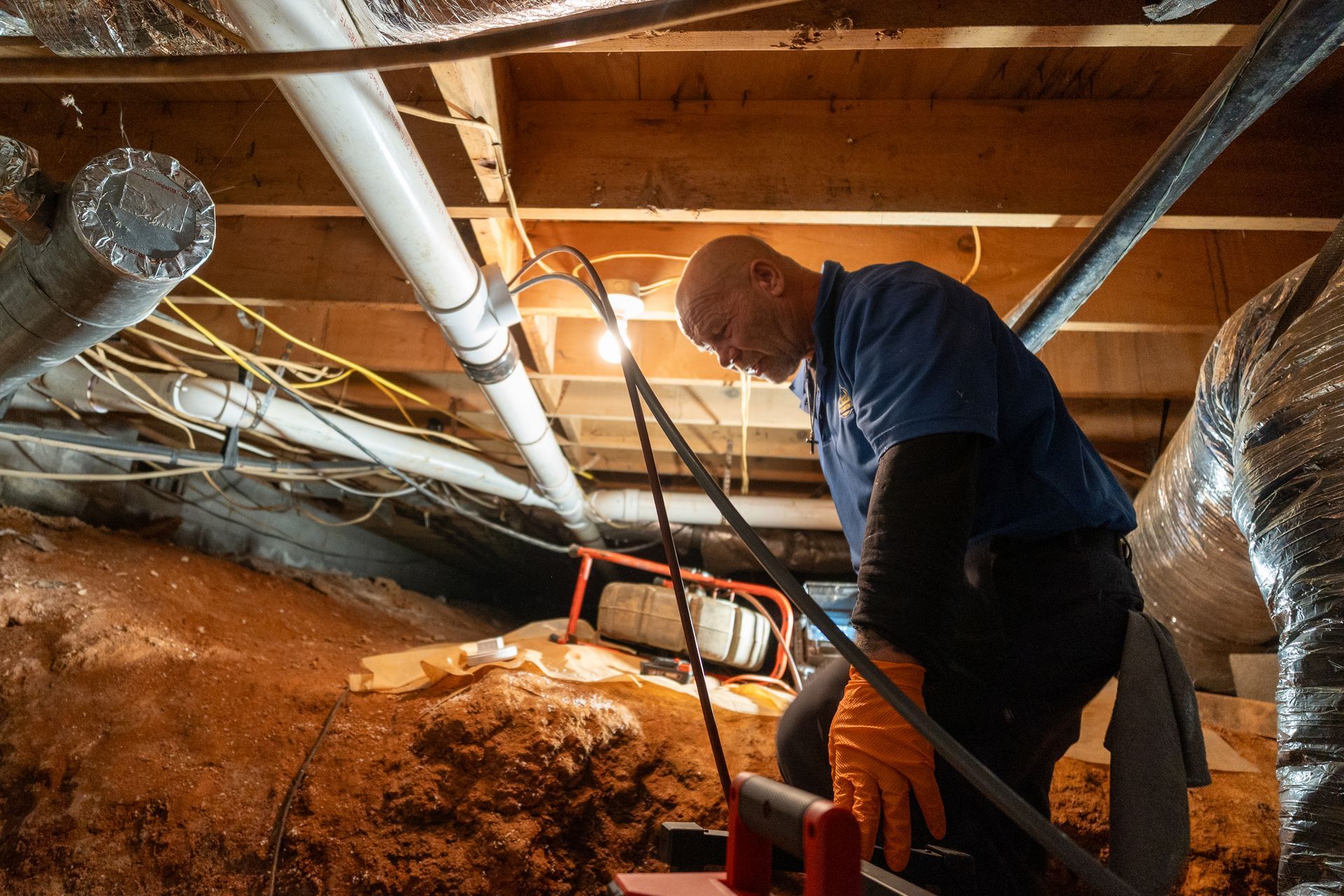
The Technician Reads The Building Clues
A basement puddle, floor drain reaction, ceiling stain, odor near a drain, or pressure change is checked against fixture use, stacked rooms, shutoff behavior, and where water can realistically travel.

Don't Wait Till Its Too Late...Call The Honest Plumber!
Atlanta Emergency Plumbing Response
Active leaks, overflowing fixtures, old pipe failures, hidden wall leaks, basement flooding, floor drain backups, ceiling leaks, plumbing gas smells, and sudden water pressure loss all need the same first move: control the damage before guessing at the repair. Superior Plumbing helps Atlanta homeowners, property managers, and businesses slow the problem, identify the system involved, and restore safe use with a repair that fits the building.
Emergency intake is available for active leaks, fixture overflows, wall and ceiling moisture, basement water, floor drain backups, plumbing gas odors, and pressure loss affecting Atlanta properties.




CONTROL THE PROBLEM FIRST
Atlanta plumbing calls can involve older intown homes, renovated bungalows, condos, apartments, townhomes, restaurants, offices, basement rooms, stacked bathrooms, and tight mechanical closets. A ceiling drip in Midtown, a floor drain backup in a lower level, or a pressure drop in a Buckhead home may not point directly to the failed part.
The first priority is to reduce active exposure, separate clean water from drain water, check whether the issue is isolated to one fixture or spreading through the building, and confirm whether valves and fixtures respond safely. That keeps the repair targeted and helps avoid unnecessary wall, ceiling, cabinet, or floor openings.
QUICK EMERGENCY ISSUE SORTER
Choose the closest description that matches what you're experiencing.
Choose the closest description that matches what you're experiencing.
WHAT HAPPENS ON AN URGENT CALL
In an Atlanta home, condo, restaurant, office, or rental property, the visible water is only part of the story. A controlled emergency visit should slow the damage, read the symptom pattern, and avoid unnecessary work before the failed pipe, drain, fixture, or valve is identified.
A basement puddle, floor drain reaction, ceiling stain, odor near a drain, or pressure change is checked against fixture use, stacked rooms, shutoff behavior, and where water can realistically travel.
Cabinets, ceilings, hardwood floors, tenant spaces, lower-level rooms, and mechanical closets can take damage fast when water continues to move through a hidden route.
A single fixture failure is handled differently than an old pipe leak, hidden wall leak, floor drain backup, odor concern, or pressure loss affecting more than one area.
ATLANTA EMERGENCY PLUMBING ISSUES
Water spraying from a supply, a toilet that will not stop, or a fixture overflowing into finished space needs isolation first, then a repair matched to the failed part.
Older pipe sections, fittings, and fixture stops can start as a small drip, then open up inside a cabinet, wall, utility closet, or lower-level area.
Soft drywall, bubbling paint, wet trim, or moisture below a bathroom, kitchen, or laundry area can mean water is traveling behind the surface before it shows.
Basement water around a bathroom, utility room, floor drain, laundry connection, or finished lower level should be treated as a plumbing symptom until the source is proven.
A floor drain pushing water, bubbling, smelling, or backing up in a basement, restroom, laundry area, or mechanical room can spread quickly across low surfaces.
A ceiling stain is often the endpoint, not the source. The cause may be a fixture above, a hidden pipe route, a loose connection, or water escaping through framing.
A strong plumbing gas smell near a drain, bathroom, floor drain, laundry area, or kitchen fixture deserves a real check instead of masking the odor.
Sudden pressure loss needs sorting by hot side, cold side, fixture group, valve position, recent leaks, and whether any water damage appeared at the same time.
DO NOT WAIT ON ACTIVE WATER OR STRONG ODORS
TRACE THE SOURCE
A ceiling leak may start at a bathroom fixture above. A basement flood may trace back to a low drain, laundry area, or nearby fixture group. A plumbing gas smell may change after water use, while pressure loss can point to a valve, restriction, or active leak. Superior Plumbing compares the symptom with fixture timing, shutoff behavior, wall and ceiling clues, floor drain response, and access points before recommending the repair.
Clean water, backed-up drain water, ceiling moisture, basement flooding, and plumbing gas odor each call for a different first check.
Showers, toilets, sinks, laundry, dishwashers, and floor drains can reveal which route is involved when the symptom returns after use.
A careful diagnosis helps avoid opening the wrong wall, ceiling, cabinet, or floor just because that is where water finally appeared.
ATLANTA RESPONSE STEPS
Urgent plumbing work should reduce exposure first, then identify the cause. Superior Plumbing looks at water movement, fixture timing, pressure behavior, valve response, odor location, drain reaction, and access before recommending the repair.
Protect from wet electrical areas, slippery floors, soaked ceilings, and contaminated water.
Determine whether the emergency is tied to pressurized water, a fixture overflow, a drain route, a floor drain, an old pipe, or a pressure problem.
Confirm which fixture was used last, whether a shutoff changed the symptom, and whether nearby rooms or stacked fixtures reacted together.
Correct the failed pipe section, fixture part, valve, drain component, supply stop, connection, or accessible plumbing route that testing connects to the emergency.
Restore water or drain use in stages, check for repeat symptoms, and explain which fixtures are safe, which areas need monitoring, and what was corrected.
WHEN BASIC CLEANUP IS NOT ENOUGH
Some plumbing emergencies look local at first, then return after another fixture is used or spread into a lower room. That is when towels, cleaners, plungers, and repeated fixture testing are not enough.
REPAIR DECISION
The first goal is to stop the active problem. Once the Atlanta property is stable, the repair decision depends on whether one part failed or whether the symptom pattern points to a broader issue inside the building.
Call 770-422-7586 if the Atlanta issue is spreading, recurring, or hard to isolate. The first symptom, room, fixture timing, odor, and pressure behavior help determine the next step.
ATLANTA LOCAL JUDGMENT
Atlanta properties range from older intown houses and renovated bungalows to condos, apartments, mixed-use buildings, restaurants, offices, townhomes, and homes with finished basements. Downtown, Midtown, Buckhead, Old Fourth Ward, Grant Park, West End, Virginia-Highland, East Atlanta, West Midtown, and BeltLine-area properties can all have different access, fixture stacking, drain routes, and shutoff situations.
That is why an emergency visit should connect the symptom to fixture use, wall or ceiling location, basement conditions, drain behavior, valve response, and pressure changes. The goal is a repair that fits the actual building, not a guess based on the first wet spot or smell.
WHY SUPERIOR PLUMBING
Superior Plumbing has been serving Metro Atlanta since 1988, and that matters when an Atlanta emergency involves an older pipe, stacked bathroom, tenant space, basement room, floor drain, hidden ceiling leak, or pressure loss that is not obvious from the first look.
A fast response should still be disciplined. Superior Plumbing focuses on what changed first, what can be safely shut off, which rooms or fixtures are affected, and how to explain the repair in plain language before the property returns to normal water use.
RELATED PLUMBING HELP
After the active problem is under control, the next step depends on what actually failed. A pressure drop, ceiling leak, basement flood, floor drain backup, fixture overflow, odor, or old pipe leak may point to different follow-up work once the property is stable.
Active leaks, urgent fixture failures, old pipe leaks, hidden wall and ceiling leaks, basement flooding, floor drain backups, plumbing gas smells, and pressure loss.
Current ServiceSupport for floor drains, tubs, showers, kitchen drains, laundry drains, and fixture drains that slow down, smell, bubble, overflow, or back up.
Help for overflowing toilets, leaking supply stops, failed fill valves, loose fixture connections, running fixtures, and bathroom water appearing below.
Source checks for old pipe drips, wall moisture, ceiling stains, wet cabinets, pressure changes, and water appearing away from the fixture.
Help for tank leaks, pan overflow, relief valve discharge, leaking connections, and hot-water equipment that starts damaging nearby floors or closets.
Support for leaking older pipes, failed fixture stops, dripping valves, stuck shutoffs, and accessible pipe sections inside the property.
FAQs
Use the closest safe shutoff if you know it controls the fixture. If water keeps moving, avoid electrical areas, move people away from soaked floors or ceilings, and call with the first room or fixture where the problem appeared.
They can be. Older pipe, fittings, or valves may start as a small drip and then open wider when touched or placed under pressure. Do not force a brittle valve or pipe connection; note where the leak is and whether it changes when fixtures are used.
Watch for wet trim, soft drywall, bubbling paint, stains that grow after fixture use, dripping sounds, cabinet moisture, or a ceiling spot below a bathroom, kitchen, or laundry area. A plumber should compare the symptom with fixture timing before opening surfaces.
Stay out of standing water if electrical equipment or contaminated water may be involved. Stop using nearby fixtures, note whether a floor drain, toilet, laundry, or utility area is involved, and call before more water is sent into the system.
Yes, especially when water is rising, bubbling, smelling, or spreading across a low area. Stop using nearby fixtures and describe whether the backup reacted to a shower, toilet, sink, laundry, dishwasher, or recent water use.
Water can travel along framing, pipe routes, insulation, and ceiling cavities before it becomes visible. A toilet, tub, shower, faucet, supply stop, drain part, or hidden pipe above may be the actual source.
No. A strong or recurring plumbing gas smell should be checked, even if water still drains. Avoid masking it with cleaners, note which drain or room smells, and pay attention to whether the odor changes after water use.
It can be, especially when pressure loss comes with a new wet spot, dripping sound, fixture failure, ceiling stain, or valve issue. Check whether the loss affects one fixture, one side of the house, hot water, cold water, or the whole property.