Read The Sequence
The fixture used right before the leak, backup, or pressure loss matters. A shower, toilet, tub, vanity, laundry cycle, or water heater callout can point the technician toward the right part of the home.

Don't Wait Till Its Too Late...Call The Honest Plumber!
Urgent Dunwoody Plumbing Help
A hidden pipe leak, ceiling drip, bathroom leak, leaking water heater, tub or shower backup, failed shutoff valve, or sudden water pressure loss can damage a Dunwoody home before the source is obvious. Superior Plumbing helps homeowners slow the damage, identify whether the problem is behind a wall, above a ceiling, inside a bathroom, at the water heater, or tied to pressure and valve control, and then make the repair that fits the actual cause.
Emergency intake is available for active wall and ceiling leaks, hidden interior moisture, bathroom plumbing leaks, leaking water heaters, tub and shower backups, shutoff valves that will not control water, and sudden pressure loss.




CONTROL THE DAMAGE FIRST
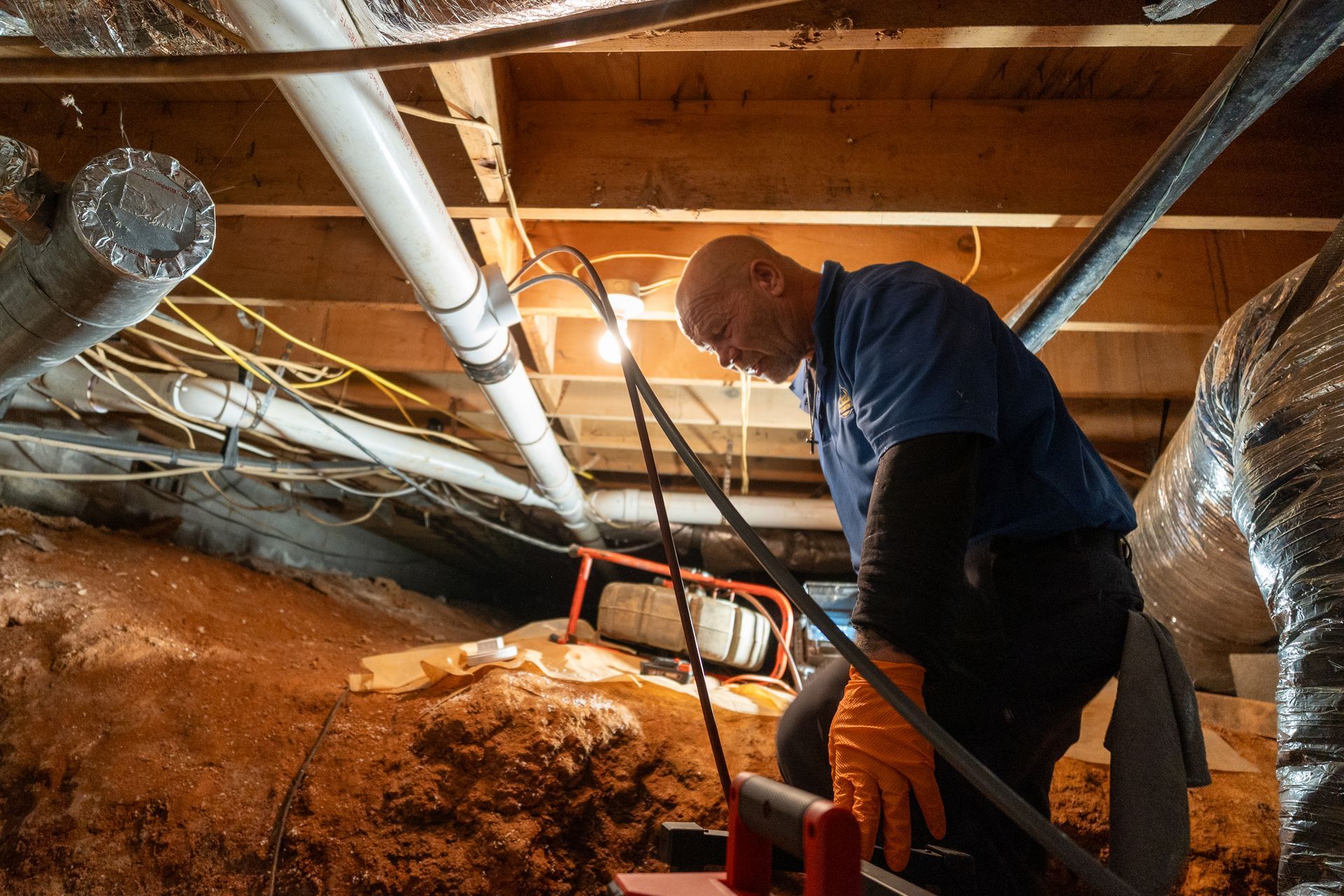
Dunwoody homes and properties can put plumbing in tight wall cavities, finished ceilings, bathroom stacks, water heater closets, utility rooms, and remodeled spaces around areas such as Dunwoody Village, Georgetown, Perimeter Center, Chamblee-Dunwoody Road, Ashford Dunwoody Road, and Winters Chapel Road. A ceiling stain, pressure drop, or bathroom leak may not start exactly where it shows up.
The first move is to reduce the water exposure, separate a clean-water leak from a backup, and check whether the right valve or fixture actually controls the problem. That keeps the repair focused and helps avoid unnecessary cutting into drywall, ceilings, cabinets, or flooring.
FAST ISSUE CHECK
Choose the closest description that matches what you're experiencing.
Select the closest emergency pattern. If water is reaching drywall, ceilings, flooring, a bathroom, the water heater area, or a fixture backup, call 770-422-7586 before running more water.
HOW THE CALL GETS SORTED
A plumbing emergency may begin as a drip, stained ceiling, weak pressure, fixture backup, or a valve that will not shut off. The response should protect the home first, then compare the symptom with fixture use, pressure behavior, equipment condition, and access points before the repair starts.
The fixture used right before the leak, backup, or pressure loss matters. A shower, toilet, tub, vanity, laundry cycle, or water heater callout can point the technician toward the right part of the home.
Ceiling drywall, wall cavities, bathroom floors, vanity cabinets, water heater pans, and finished rooms can all be damaged by continued use. Stabilizing the area helps keep the repair from growing.
A wet spot is not a diagnosis by itself. Superior Plumbing checks the connected fixtures, valves, visible piping, pressure clues, and equipment before deciding what needs to be repaired.
DUNWOODY EMERGENCY PLUMBING PATTERNS
Paint that bubbles, baseboard moisture, warm drywall, or a quiet hissing sound can mean water is moving inside a wall before it reaches the floor.
A stain below an upstairs bath, laundry area, or water-using room may be the endpoint of water that traveled through framing before dripping through the ceiling.
Moisture inside cabinets, closets, trim lines, or flooring needs careful tracing so the repair begins at the source instead of the first visible wet mark.
Toilets, vanities, tubs, showers, supply stops, and drain connections can leak into flooring or the room below, especially after the fixture is used.
Tank moisture, relief valve discharge, wet fittings, pan overflow, or floor dampness around the unit should be checked before the leak spreads into nearby rooms.
Standing water, dirty water returning, or a tub or shower that backs up during use should be stopped instead of repeatedly tested with more water.
A valve that spins, drips, sticks, or does not fully close can leave the home without a dependable way to control an active plumbing leak.
Weak flow at one fixture, several fixtures, or an entire area of the home can point to a valve issue, fixture restriction, leak, or equipment problem that needs sorting.
DO NOT WAIT ON ACTIVE WATER OR PRESSURE CHANGES
TRACE THE SOURCE
A ceiling drip may start at a tub overflow, toilet seal, shower valve, or supply connection. A pressure drop may come with a hidden leak, a stuck valve, or a fixture restriction. A tub or shower backup may be isolated to that fixture area. Superior Plumbing compares fixture timing, shutoff behavior, visible moisture, pressure clues, and equipment condition before recommending a repair.
What was running right before the symptom appeared helps connect the wet ceiling, wall moisture, backup, or pressure loss to the right plumbing route.
A leaking water heater, failed fixture stop, or shutoff valve that will not close can change both the repair and the safest way to control water.
The goal is to locate the likely source before removing drywall, ceiling material, cabinet panels, or flooring that may not need to be disturbed.
DUNWOODY RESPONSE STEPS
Urgent plumbing work should not jump straight from a wet spot to a repair quote. Superior Plumbing checks what system is involved, how far water has moved, which valves respond, and whether fixtures can be used again safely after the repair.
Protect from wet electrical areas, slippery floors, soaked ceilings, and contaminated water.
Determine whether the emergency is a wall leak, ceiling leak, hidden interior leak, bathroom fixture leak, water heater leak, tub or shower backup, valve failure, or pressure loss.
Review the affected fixtures, nearby shutoffs, main control point, water heater connections, and pressure behavior without forcing parts that may break.
Correct the failed pipe section, fixture connection, valve, water heater component, bathroom part, or tub and shower backup point that testing connects to the symptom.
Restore water, pressure, or fixture use in stages and explain what can be used, what was repaired, and what should be watched after the visit.
WHEN BASIC CLEANUP IS NOT ENOUGH
Some plumbing emergencies look minor until the symptom returns, spreads to another room, or shows up only after a certain fixture is used. That is when the problem needs diagnosis instead of another towel, bucket, plunger, or hard turn on a valve.
REPAIR DECISION
The first job is to stop the emergency. Once the Dunwoody home is stable, the repair decision depends on whether one part failed or whether the pattern points to a broader interior plumbing issue that needs a more complete correction.
Call 770-422-7586 if the Dunwoody issue is spreading, returning, or difficult to isolate. The room involved, fixture timing, pressure behavior, and valve response help determine the next step.
DUNWOODY HOME CONDITIONS
Dunwoody properties range from established homes and remodeled bathrooms to townhomes, condos, and busy spaces near Perimeter Center. Plumbing may be routed through finished ceilings, shared walls, vanities, water heater closets, utility rooms, and tight access areas, so the first visible damage can be misleading.
A wall leak, ceiling stain, bathroom leak, water heater leak, tub or shower backup, shutoff failure, or pressure drop should be read as part of the whole pattern. The careful move is to control the emergency, confirm the source, and then decide whether the repair is small and targeted or part of a larger interior correction.
WHY SUPERIOR PLUMBING
Dunwoody homeowners do not need a dramatic guess when water is inside a wall, a ceiling is dripping, a water heater is leaking, a bathroom fixture is backing up, or pressure suddenly drops. They need a plumber who can explain what is known, what still needs to be checked, and why the recommended repair matches the evidence.
Superior Plumbing brings long Metro Atlanta experience, master plumber leadership, and a practical diagnostic approach to urgent calls. The goal is to give the homeowner a clear answer: what was found, what can be controlled immediately, what repair makes sense, and what should be watched after the system is returned to use.
RELATED REPAIR OPTIONS
After the active leak, backup, valve failure, or pressure problem is controlled, the follow-up service depends on what actually failed. The same wet ceiling or weak fixture flow can lead to very different repairs once the source is confirmed.
Wall leaks, ceiling leaks, hidden interior moisture, bathroom plumbing leaks, water heater leaks, tub and shower backups, shutoff valve failures, and sudden pressure loss.
Current ServiceChecks for wet drywall, ceiling stains, cabinet moisture, hidden bathroom leaks, and interior leaks that show up away from the actual source.
Help for leaking tanks, wet fittings, relief valve discharge, pan overflow, and hot-water equipment that begins damaging nearby floors.
Repair for toilets, vanities, tubs, showers, fixture stops, supply connections, overflows, and bathroom leaks reaching finished surfaces.
Support for standing water, slow tub or shower drainage, dirty water returning into the fixture, and backups that repeat after use.
Evaluation of stuck valves, leaking stops, spinning handles, pressure loss, and fixture flow changes that affect safe water control.
FAQs
Stop using nearby fixtures if the wet area is growing, move items away from the wall, avoid electrical contact, and call for help. Bubbling paint, wet trim, soft drywall, or a hissing sound should be checked before the wall is opened randomly.
No. Water can travel along framing, pipes, or ceiling material before it drips. The fixture used before the stain grew, especially an upstairs shower, tub, toilet, sink, or laundry area, helps narrow the source.
A plumber compares the moisture location with fixture use, valve response, pressure changes, accessible piping, and nearby equipment. That process helps decide where to inspect or open only after the likely source is identified.
Water around a toilet base, vanity, tub, shower, supply stop, wall, or floor should be treated seriously when it spreads, reaches the room below, or returns after the fixture is used.
Avoid standing in water near the unit, do not touch wet electrical controls, and call for service. Note whether water appears at the tank, valve, fitting, pan, or nearby floor so the technician can start with the right checks.
The backup may be at the fixture drain, trap, nearby branch, or connected bathroom plumbing. Stop running water into the tub or shower once it backs up, especially if the water looks dirty or returns after a short test.
No. A stuck or brittle valve can break and make the leak worse. If the valve spins, drips, will not turn, or does not stop the water, a plumber should find the safest way to control and repair it.
Yes, especially when it happens with wall moisture, ceiling staining, fixture leaks, or a valve problem. Weak flow at one fixture is different from a larger pressure drop, so the affected fixtures and timing matter.