Identify What Started The Event
A sudden toilet overflow, laundry standpipe spill, outdoor faucet leak, basement water, or crawl space drip each points the inspection in a different direction.

Don't Wait Till Its Too Late...Call The Honest Plumber!
Urgent Hiram Plumbing Help
Heavy rain, a wet crawl space, basement flooding, a leaking hose bib, a main shutoff that will not close, a toilet overflow, laundry room water, or an old pipe leak can move quickly through a Hiram home. Superior Plumbing helps homeowners slow the damage, identify whether the issue is tied to a fixture, valve, drain, pipe, crawl space, basement, or outdoor faucet, and make the repair from the cause instead of guessing from the first puddle.
Emergency intake is available for active leaks after rain, crawl space plumbing leaks, basement flooding, hose bib leaks, failed main shutoff valves, toilet overflows, laundry room overflows, and older pipe leaks.




CONTROL THE PROBLEM FIRST
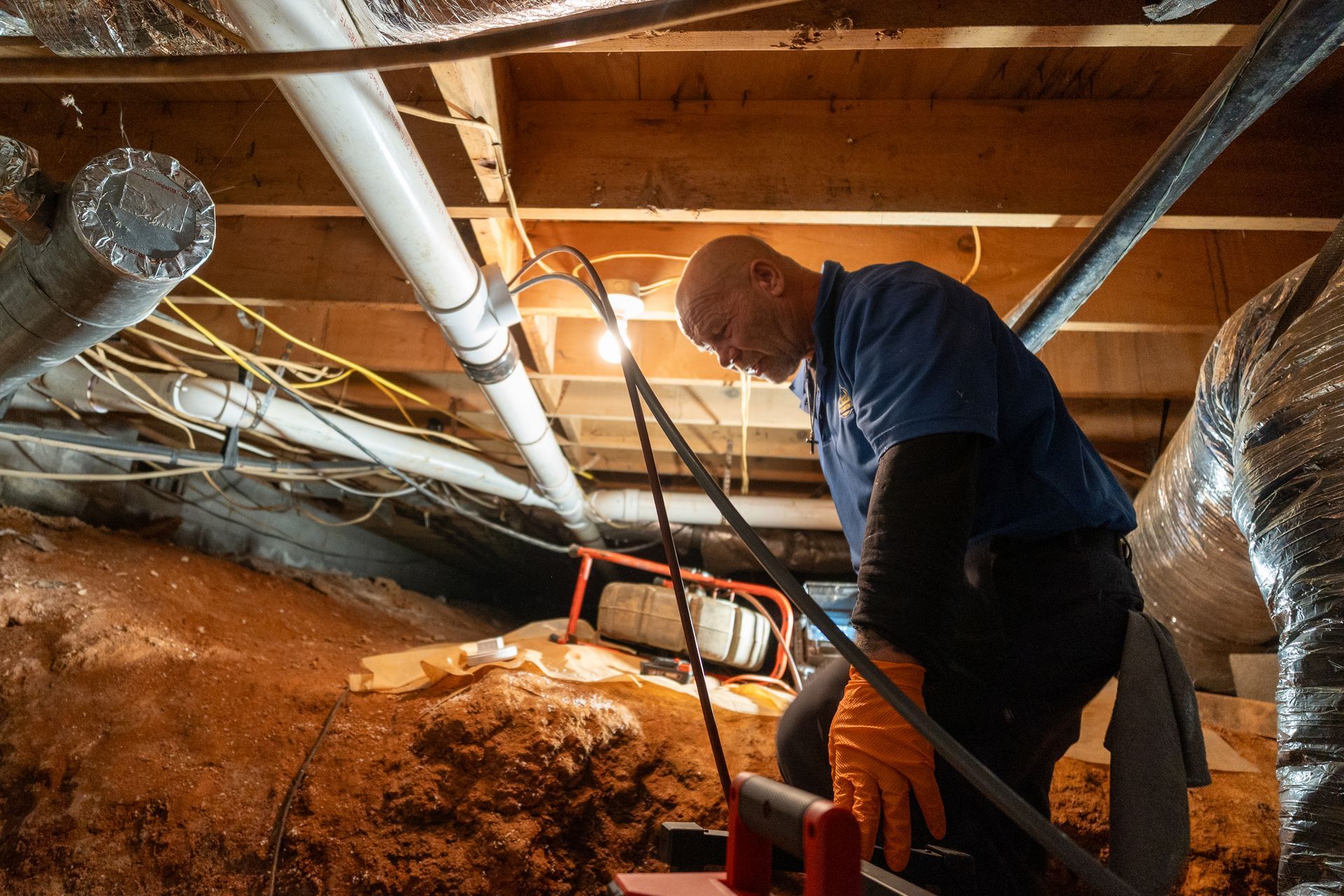
Hiram homes can include crawl spaces, finished lower levels, slab sections, garages, laundry rooms, utility closets, and outdoor faucets that sit near driveways, patios, decks, or yard areas. During a plumbing emergency, water may show up in one place even though the failed part is above it, behind it, underneath it, or outside the wall.
The first step is to reduce exposure: avoid wet electrical areas, stop using the affected fixture, and check only the shutoff that can be reached safely. From there, the problem needs to be sorted by what changed first: heavy rain, a crawl space drip, basement water, a hose bib leak, a toilet overflow, laundry discharge, an old pipe leak, or a valve that did not stop the water.
FAST ISSUE CHECK
Choose the closest description that matches what you're experiencing.
Select the closest pattern. If water is moving into a finished room, basement, crawl space, laundry area, bathroom, or exterior wall, call 770-422-7586 and avoid testing more fixtures.
HOW THE CALL GETS SORTED
The wettest area is not always the failed part. A plumber has to read the home by the symptom, the fixture timing, the shutoff response, and the path water could take through floors, walls, ceilings, exterior penetrations, or low areas.
A sudden toilet overflow, laundry standpipe spill, outdoor faucet leak, basement water, or crawl space drip each points the inspection in a different direction.
The technician looks for safe control points first so flooring, subfloor, drywall, insulation, cabinets, and stored items do not keep absorbing water during the diagnosis.
A stuck main shutoff, old pipe leak, or overflow problem should be matched to a tested cause before parts are repaired, tightened, cleared, or replaced.
HIRAM EMERGENCY PLUMBING PATTERNS
Heavy rain can make it harder to tell whether water is entering from outside, backing up at a low fixture, or exposing a plumbing leak that was already weak.
Crawl space moisture near a pipe, bathroom area, kitchen run, or laundry route should be checked before the leak soaks insulation, framing, or subfloor materials.
Basement water near a fixture, drain, utility area, or appliance connection needs fast sorting so cleanup does not hide the plumbing trigger.
Outdoor faucet leaks can run into siding, wall cavities, crawl space edges, or foundation areas, especially when the handle or connection will not shut off cleanly.
A main shutoff that sticks, leaks, spins, or only slows the flow changes the emergency because the home may not have a dependable way to control water.
Toilet water on the floor, around the base, or dropping into a lower room should be handled before more flushing pushes water under flooring or trim.
Laundry overflows may involve the washer supply, standpipe, drain connection, sink, or valve area, and a single cycle can send water under nearby floors.
Older pipe sections, fittings, and shutoff connections can fail at joints or thin spots, with water showing up inside cabinets, walls, ceilings, or utility spaces.
ACT BEFORE WATER SPREADS
TRACE THE SOURCE
A basement puddle may be connected to a fixture above it. Crawl space water may follow a pipe route before dripping. A toilet overflow can hide water under flooring. A laundry overflow may involve the washer, standpipe, valve, or sink connection. Superior Plumbing compares fixture clues, shutoff behavior, wall and ceiling symptoms, odors from wet areas, and the path water could have taken before recommending the repair.
The inspection looks at where water entered, where it collected, and which fixtures or valves were used before the problem showed up.
A repair plan changes when a fixture stop, hose bib, washer valve, or main shutoff does not fully control the water.
The goal is to work from the confirmed leak, overflow, valve failure, or pipe issue instead of opening the wrong cabinet, wall, ceiling, or crawl space area.
HIRAM RESPONSE STEPS
Emergency plumbing work should protect the home first, identify the part of the plumbing system involved, and then confirm the repair before normal water use returns.
Protect from wet electrical areas, slippery floors, soaked ceilings, and contaminated water. Keep people and stored items away from the active wet area.
Determine whether the emergency is tied to a supply pipe, fixture, drain point, washer connection, hose bib, crawl space route, basement area, or main shutoff.
Look at toilet parts, laundry valves, faucet connections, hose bibs, accessible pipe sections, and shutoffs to see what responds and what does not.
Correct the failed fitting, valve, fixture part, overflow source, old pipe section, or connection that testing ties to the emergency.
Restore use in controlled steps so the homeowner knows which fixture, valve, or area is stable and what should be watched after the visit.
WHEN IT MAY BE MORE THAN ONE FIXTURE
Some plumbing emergencies look simple until the water returns, spreads, or fails to shut off. Those are the calls where the first symptom may not be the full problem.
REPAIR DECISION
The immediate goal is to stop water movement and make the Hiram home usable again. After that, the repair decision depends on whether one part failed or the symptoms point to a broader correction inside the property.
Call 770-422-7586 if the Hiram issue is active, spreading, recurring, or difficult to isolate. The first room affected, fixture timing, rain timing, and shutoff response help determine the next step.
HIRAM HOME JUDGMENT
Hiram properties can have different access points from one home to the next: crawl spaces, slab areas, finished lower levels, garages, laundry rooms, outdoor hose bibs, and utility spaces. That makes a plumbing emergency easy to misread when the visible water is only where the leak finally escaped.
A crawl space drip, basement flood, old pipe leak, toilet overflow, laundry spill, exterior faucet leak, or bad main shutoff should be checked as part of the whole water path. The right repair starts with stabilizing the home, confirming the active source, and explaining what can safely be used again.
WHY SUPERIOR PLUMBING
When a Hiram homeowner has water in a basement, a wet crawl space, an overflowing toilet, a flooded laundry room, a hose bib leak, or a shutoff valve that will not close, the visit has to be more than a quick look at the closest fixture. Superior Plumbing has been serving Metro Atlanta since 1988, and that experience matters when urgent plumbing calls require fast control and careful diagnosis.
The practical approach is simple: listen to what happened first, reduce the water exposure, check the fixtures and valves involved, and explain why the recommended repair matches the symptoms. That helps homeowners understand whether the visit is a contained emergency repair or the start of a larger correction inside the home.
RELATED REPAIR OPTIONS
After the active water is controlled, the next service depends on what failed. A basement flood, laundry overflow, toilet problem, hose bib leak, old pipe drip, or shutoff failure can each point to a different repair.
Help for plumbing issues after heavy rain, crawl space leaks, basement flooding, hose bib leaks, failed main shutoffs, toilet overflows, laundry room overflows, and old pipe leaks.
Current ServiceSupport for sinks, tubs, showers, floor drains, and laundry drains that slow down, back up, or overflow during normal fixture use.
Source checks for crawl space moisture, ceiling stains, wet drywall, basement puddles, cabinet leaks, old pipe drips, and water appearing away from the fixture.
Repair for toilet overflows, leaks around the base, failed tank parts, weak flushing, running toilets, and fixture shutoff problems.
Help with washer valves, standpipe overflows, utility sink issues, supply connections, and water spreading from the laundry area.
Repair support for leaking older pipes, stuck shutoffs, dripping valves, outdoor faucet leaks, and accessible fixture connections inside or outside the home.
FAQs
Avoid standing water, stop using nearby fixtures, and note whether the water is near a basement, crawl space, drain, utility room, or outside wall. Heavy rain can make the source harder to read, so the plumbing and the water path should be checked before more fixtures are used.
It can be, especially if water is dripping from a pipe, soaking insulation, wetting the subfloor, or spreading under a bathroom, kitchen, or laundry area. Do not crawl through unsafe wet areas; call for help and describe where the moisture appears.
Stay away from wet electrical areas, stop using fixtures connected to the area, and move belongings only if it is safe. Tell the plumber whether the water appeared after rain, toilet use, laundry, a fixture draining, or a valve problem.
The handle, packing, internal stem, wall connection, or nearby pipe may have failed. Remove the hose if safe, do not force the handle, and call if the leak continues or water is getting into the wall, crawl space edge, or foundation area.
Do not force a valve that feels stuck, brittle, or ready to break. A failed main shutoff can make a leak harder to control, so a plumber should evaluate the safest way to stop the water and repair the bad control point.
No. Stop flushing, turn off the toilet supply if it can be reached safely, and keep people away from the overflow water. Repeated flushing can push water under flooring, behind trim, or into a lower ceiling.
Yes. A washer cycle can release enough water to reach flooring, trim, walls, adjacent rooms, or a lower level. Stop the washer if safe, avoid restarting the cycle, and note whether the water came from the standpipe, supply valve, utility sink, or appliance connection.
Older pipe leaks may start as a steady drip, wet cabinet floor, ceiling mark, musty crawl space, soft drywall, or moisture near a valve or fitting. The wet spot should be traced before assuming the closest visible pipe is the only failed part.