Pinpoint What Changed First
The first drip, odor, backup, stain, or valve problem usually tells more than the largest wet area. That timing helps separate bathroom fixture leaks from wall leaks, ceiling travel, or drain trouble.

Don't Wait Till Its Too Late...Call The Honest Plumber!
Urgent Lilburn Plumbing Help
A bathroom leak, old pipe drip, wall moisture, drain gas smell, floor drain backup, kitchen sink backup, ceiling stain, or main shutoff valve problem can move from annoying to damaging quickly. Superior Plumbing helps Lilburn homeowners slow the immediate problem, identify whether the emergency is coming from a fixture, pipe, drain, valve, wall, or ceiling path, and make a repair based on what the plumbing is actually showing.
Emergency intake is available for active bathroom leaks, older pipe leaks, wet walls, plumbing gas odors, floor drain backups, kitchen drain backups, ceiling leaks, and shutoff valves that will not control the water.




CONTROL THE PROBLEM FIRST
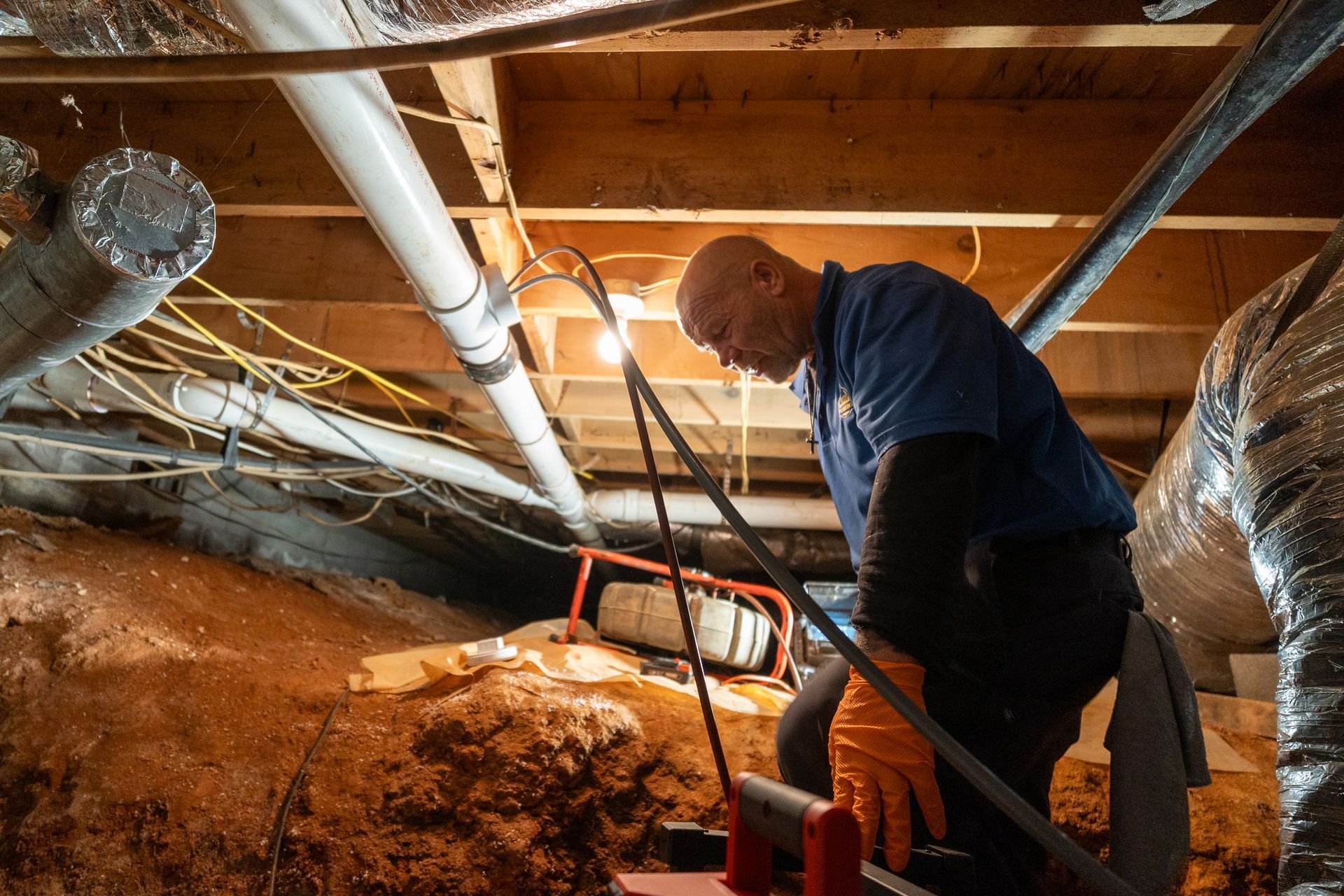
Lilburn homes and small properties can hide plumbing in cabinets, finished ceilings, slab areas, crawl spaces, laundry rooms, upstairs baths, and remodeled kitchens. A wet spot below a bathroom, a kitchen sink that pushes water back up, or an odor near a floor drain does not always identify the failed part by itself.
The first step is to reduce the exposure: stop extra water use, separate clean-water leaks from drain backups, check whether the smell or backup is isolated, and find out whether the shutoff valve actually controls the problem. That keeps the repair path tighter and helps avoid opening the wrong wall, ceiling, cabinet, or flooring area.
FAST ISSUE CHECK
Choose the closest description that matches what you're experiencing.
Select the pattern that fits the emergency. If water, wastewater, or a strong plumbing odor is affecting a bathroom, kitchen, wall, ceiling, floor drain, or shutoff valve, call 770-422-7586 before testing more fixtures.
WHAT HAPPENS ON AN URGENT CALL
A plumbing emergency often shows up as a stain, smell, puddle, backup, or stuck valve. The visible symptom is important, but the repair should be based on how the plumbing behaves when fixtures, drains, valves, and nearby surfaces are checked together.
The first drip, odor, backup, stain, or valve problem usually tells more than the largest wet area. That timing helps separate bathroom fixture leaks from wall leaks, ceiling travel, or drain trouble.
Cabinets, baseboards, drywall, flooring, ceiling cavities, and low drain areas can take on water quickly. The response should reduce exposure before more fixtures are used.
A bad odor, backup, or ceiling leak may involve a different component than the first one visible. Testing keeps the repair focused on the failed connection, valve, pipe section, drain part, or fixture.
LILBURN EMERGENCY PLUMBING PATTERNS
These are the types of urgent symptoms that should be handled by tracing the source instead of relying on the first visible puddle, stain, or odor.
Water around a toilet, tub, shower, vanity, supply stop, or room below can come from the fixture, a drain, an overflow, or a connection hidden behind the finished surface.
Older fittings, worn pipe sections, and corroded valve connections can start as a small drip in a cabinet, crawl area, utility room, or wall before they become obvious.
Bubbling paint, soft drywall, damp baseboards, or a warm wet area may mean water is traveling inside the wall instead of leaking from a visible fixture.
A strong smell near a sink, bathroom, laundry area, or floor drain should be checked before it is blamed on cleaning, especially when it returns after water use.
Water, bubbling, or odor coming from a low floor drain can affect storage areas, utility spaces, laundry rooms, and finished floors if nearby fixtures keep being used.
A sink that backs up into the other bowl, disposal side, dishwasher connection, or cabinet base needs attention before more water is sent into the same drain path.
A stain below a bathroom, kitchen, laundry area, or water-using fixture may be the endpoint of water that traveled through framing before it showed up.
A valve that spins, sticks, drips, or fails to stop flow changes the emergency because water control may need to be established before the repair can proceed safely.
DO NOT WAIT ON SPREADING WATER, BACKUP, OR STRONG ODOR
TRACE THE SOURCE
A ceiling spot may be water from an upstairs bathroom. Wall moisture may be coming from a pipe, fixture supply, or drain connection hidden behind the surface. A kitchen backup can involve the trap, disposal side, dishwasher connection, or branch drain. A floor drain odor may change after fixture use, after a dry period, or when a nearby drain reacts. Superior Plumbing compares those clues before recommending the repair.
Clean supply leaks, drain backups, and odor complaints do not follow the same repair path, so the first distinction matters.
Showering, flushing, washing dishes, running laundry, or opening a valve can reveal which part of the home is tied to the emergency.
The goal is to avoid unnecessary holes by checking the most likely route before cutting into drywall, ceilings, cabinet backs, or flooring.
EMERGENCY RESPONSE PROCESS
Emergency plumbing should protect the home first, then connect the symptom to the cause. Superior Plumbing looks at the system involved, the route water or odor may be taking, the valves available, and the safest way to restore normal use.
Protect from wet electrical areas, slippery floors, soaked ceilings, and contaminated water. Keep people and pets away from the affected space.
Separate bathroom fixture leaks, old pipe leaks, hidden wall leaks, drain odor, floor drain backup, kitchen backup, ceiling leak, and shutoff valve failure.
Review the fixture used last, nearby shutoffs, main valve behavior, drain response, and whether the problem changes when water is safely controlled.
Match the repair to the failed pipe section, valve, supply stop, fixture connection, trap, drain component, or bathroom part that inspection connects to the emergency.
Restore water or drain use in a controlled way so the homeowner knows what is safe, what was fixed, and what symptom should still be watched.
WHEN IT IS MORE THAN A SIMPLE FIXTURE ISSUE
Some urgent problems look contained until the same leak, smell, backup, or valve problem returns. That is when towels, plunging, deodorizer, and repeated shutoff attempts can make the situation harder to diagnose.
REPAIR DECISION
The immediate goal is to stop the damage. After the Lilburn home is stable, Superior Plumbing separates one failed part from a pattern that needs a broader interior plumbing correction.
Call 770-422-7586 if the Lilburn issue is spreading, recurring, or hard to isolate. The room, fixture timing, odor location, and shutoff behavior help determine the next step.
LILBURN HOME CONDITIONS
Lilburn has a practical mix of older Gwinnett County houses, remodeled kitchens and baths, slab-on-grade homes, crawl-space homes, townhomes, and small commercial spaces. Properties around Old Town Lilburn, Lawrenceville Highway, Indian Trail-Lilburn Road, Arcado Road, Rockbridge Road, and Five Forks Trickum Road may have very different access to shutoffs, drains, cabinets, ceilings, and wall routes.
That variety matters when a ceiling leak begins below a bathroom, a kitchen drain backs into a cabinet, a floor drain smells, an older pipe starts leaking, or the main shutoff valve will not close. The safer move is to control the emergency and confirm the source before normal water use resumes.
CALL ANSWERING WHEN THE PLUMBING PROBLEM CANNOT WAIT
A Lilburn homeowner should not have to guess what to do while water is spreading, a ceiling stain is growing, a drain odor is strong, a kitchen sink is backing up, or the main shutoff valve will not close. Superior Plumbing’s phone is answered 24/7/365 so urgent plumbing details can be collected and the next step can be explained clearly.
Have the room, fixture, first symptom, last water use, and shutoff result ready when you call. Those details help the intake process separate a bathroom leak from a wall leak, an odor from a backup, a ceiling symptom from the fixture above it, and a valve problem from a pipe failure.
RELATED REPAIR OPTIONS
Once the active problem is controlled, the right follow-up depends on what failed. A ceiling stain, kitchen backup, bathroom leak, drain odor, floor drain issue, old pipe leak, or shutoff valve problem can each point to a different repair.
Bathroom leaks, old pipe leaks, wet walls, plumbing gas odors, floor drain backups, kitchen drain backups, ceiling leaks, and failed main shutoff valves.
Current ServiceHelp for kitchen sinks, floor drains, tubs, showers, and fixture drains that slow, smell, gurgle, overflow, or push water back where it does not belong.
Source checks for ceiling stains, wet drywall, cabinet moisture, old pipe drips, bathroom leaks, and water that appears away from the fixture.
Repair for toilet leaks, loose bases, failing fill valves, weak flushes, leaking seals, running tanks, and shutoff problems near the fixture.
Help when a tank, relief valve, connection, drain pan, or nearby hot-water equipment starts leaking into a finished or storage area.
Support for leaking older pipes, fixture stops, stuck main shutoffs, dripping valves, and accessible interior pipe sections that need targeted repair.
FAQs
Stop using the bathroom fixture, use a safe fixture shutoff if it clearly controls the leak, move items away from the wet area, and check the room below if there is one. Do not keep flushing, showering, or running the sink to see if the water stops.
A steady old pipe leak should be treated as urgent because the pipe, fitting, or valve may get worse when pressure changes or nearby fixtures are used. Photograph the area, keep items away from the leak, and avoid forcing brittle valves.
Damp baseboards, soft drywall, bubbling paint, cabinet moisture, musty odor, or a stain that grows after a fixture is used can point to a hidden wall leak. The leak should be traced before cutting into the wall.
A strong or recurring odor should be checked, especially near a bathroom, laundry area, kitchen sink, or floor drain. Avoid covering it with cleaners and note whether the smell changes after water use, bubbling, or backup.
Stop using nearby fixtures, keep people away from standing water if it may be contaminated, and report whether the drain bubbled, smelled, backed up suddenly, or reacted when another fixture was used.
The backup may be connected to the trap, disposal side, dishwasher connection, branch drain, or a buildup inside the fixture drainage path. Stop running water into the sink until the backup is checked.
Yes. Water can travel through framing before it shows on the ceiling. The source may be a toilet seal, tub overflow, shower component, supply connection, drain fitting, or bathroom fixture that only leaks during use.
Do not force a valve that feels stuck, brittle, or ready to break. A failed main shutoff can make the emergency harder to control, so the safest repair starts with establishing reliable water control.