Emergency Sewer Line Repair in Decatur: What to Do When Your Main Line Fails
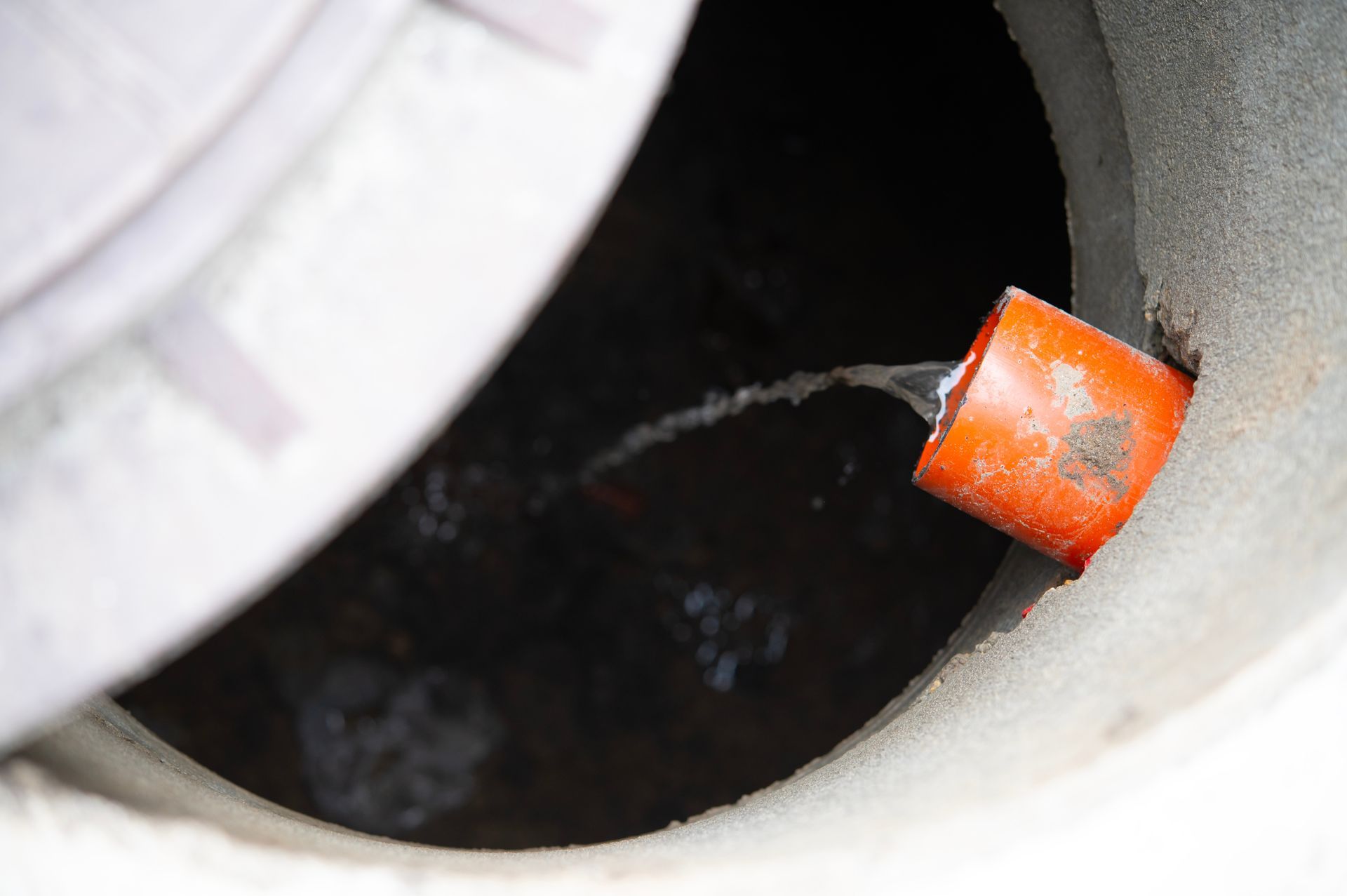
A sewer line emergency is perhaps the most stressful situation a Decatur homeowner can face. Unlike a simple clogged sink, a main sewer line failure affects every drain in your house, often leading to unsanitary backups in tubs, showers, and basement floor drains. Whether you live in a historic craftsman in Oakhurst or a newer home near Glenlake Park, a sewer crisis requires immediate action to prevent extensive property damage. Because many Decatur neighborhoods feature mature oak trees and aging infrastructure, these systems are particularly vulnerable to sudden collapses and blockages. In this guide, we will cover the critical warning signs of a sewer emergency, the unique factors that contribute to pipe failure in our local area, and the immediate steps you should take to protect your home before a professional arrives.
Identifying a Sewer Line Emergency
In most cases, a sewer line does not fail completely without providing a few subtle warnings first, though a total collapse can feel instantaneous. One of the most telling signs is the "multi-drain backup." If you flush a toilet and water begins to gurgle or rise in the nearby shower or bathtub, your main line is likely obstructed. Since the main sewer line is the single exit point for all wastewater, a blockage there forces water back into the lowest entry points of the home.
Another unmistakable sign is the presence of raw sewage odors inside your home or near your foundation. These odors indicate that sewer gases or the wastewater itself are escaping the pipe. You may also notice strange behavior from your fixtures, such as the toilet bowl water level fluctuating wildly or bubbles rising in the sink when the dishwasher drains. If you observe any of these symptoms across multiple rooms, you are facing a mainline issue that qualifies as a plumbing emergency.
Why Decatur Sewer Lines Fail
Decatur is known for its beautiful, tree-lined streets, but those same trees are often the primary culprits behind sewer failures. The roots of large hardwoods are naturally drawn to the warmth and moisture inside sewer pipes. In older parts of the city where clay or cast-iron pipes are common, roots can easily penetrate small cracks or joints. Once inside, they grow into a dense "root ball" that snags toilet paper and debris, eventually leading to a total stoppage or a collapsed pipe section.
The local geography and housing age also play a role. Many homes built in the mid-20th century utilize "Orangeburg" or early cast-iron piping, both of which have a finite lifespan and are prone to internal corrosion or structural sagging. Furthermore, the clay-heavy soil in DeKalb County can shift significantly during our wet Georgia winters and humid summers. This ground movement puts immense pressure on rigid, aging pipes, often leading to "bellies" or sections of the pipe that sink and collect standing water.
Immediate Steps to Take During a Backup
If you suspect your sewer line has failed, the very first thing you must do is stop using water immediately. Every gallon you flush or send down the drain will have nowhere to go but back up into your home. This includes turning off the washing machine and dishwasher.
Next, locate your main sewer cleanout. This is usually a white or black plastic pipe with a cap located in your yard near the foundation or close to the street. If you are comfortable doing so, loosening the cap can sometimes relieve the pressure in the system and redirect the backup into the yard rather than into your bathroom. However, be cautious as wastewater may spill out. For more detailed guidance on handling sudden plumbing crises, you can refer to our emergency plumbing tips to help mitigate damage until help arrives.
Emergency Repair and Replacement Options
When a professional arrives to handle a sewer emergency, the first step is usually a camera inspection. This allows us to see the exact nature of the failure without digging up your entire lawn. Depending on what the camera reveals, there are several ways to address the issue:
- Professional Snaking or Augering: If the blockage is caused by a simple mass of debris or light root growth, a high-powered motorized snake can often restore flow quickly.
- Hydro-Jetting: For heavy grease buildup or significant root intrusion, high-pressure water blasting is used to scrub the pipe walls clean.
- Trenchless Pipe Repair: In many Decatur neighborhoods where landscaping and old-growth trees are a priority, we can often repair a pipe from the inside using "pipe bursting" or "cured-in-place" lining, which avoids the need for a large trench across your property.
If the pipe has completely collapsed, a traditional excavation and replacement may be necessary. You can find more information about these methods on our sewer line services page.
Estimated Costs for Sewer Repair in Decatur
Emergency sewer work varies in price based on the depth of the pipe and the method of repair. A basic emergency clearing of a main line generally ranges from $250 to $800. However, if the pipe requires structural repair, costs can increase significantly. Traditional trench repairs in the North Georgia area typically range from $50 to $250 per linear foot.
Trenchless technologies, while often having a higher per-foot cost, can actually save homeowners money by eliminating the need to replace expensive driveways, sidewalks, or mature landscaping after the plumbing work is finished. It is also worth checking if your homeowner's insurance policy includes a "service line rider," as some emergency sewer failures may be partially covered under specific local endorsements.
When to Call a Professional Immediately
A sewer backup is a biohazard and should never be handled as a DIY project. If you have standing wastewater in your home, you are at risk for mold growth and exposure to harmful bacteria. You should call a licensed professional immediately if you see sewage coming out of your floor drains, if your yard has a sudden "sinkhole" or an unusually lush, soggy patch of grass, or if multiple fixtures are clogged simultaneously.
Navigating the unique plumbing codes of DeKalb County and the City of Decatur requires specialized knowledge. A licensed expert will not only fix the immediate break but also ensure the repair meets current standards for backflow prevention. If you are dealing with a sudden failure, our team provides emergency plumbing repair in Decatur to help restore safety and sanitation to your home as quickly as possible.
The Superior Plumbing Commitment in Decatur
At Superior Plumbing, we understand that a sewer emergency is a race against time. Our technicians are deeply familiar with the specific challenges of Decatur’s historic districts and newer subdivisions alike. We arrive with the diagnostic equipment necessary to find the problem fast, and we provide clear, upfront options for repair. Our goal is to solve the emergency with the least amount of disruption to your property and your life. With a reputation built on transparency and local expertise, we stand behind every sewer repair with a commitment to quality that Decatur homeowners have trusted for decades.
Schedule Emergency Sewer Service in Decatur
If your home is currently experiencing a sewer backup or you've noticed the warning signs of a failing main line, don't wait for the situation to get worse. Superior Plumbing offers rapid-response sewer diagnostics and repair throughout Decatur and the surrounding areas. From high-tech camera inspections to trenchless replacements, we have the tools to handle even the most complex sewer emergencies. Call us today to speak with a professional and get your plumbing system back on track.
Quick Answers for Decatur Homeowners (FAQ)
What is the most common cause of sewer backups in Decatur?
Tree root intrusion is the leading cause of sewer failure in our area. The city’s older clay and cast-iron pipes often have small gaps at the joints that allow roots to enter. Once inside, the roots thrive on the wastewater, eventually blocking the pipe entirely or causing a structural collapse.
Is the city responsible for my sewer line repair?
Generally, the homeowner is responsible for the "lateral" sewer line, which is the section of pipe that runs from the house to the city’s main connection under the street or easement. If the backup is occurring in the city’s large main line, they are responsible, but if the blockage is in your yard, it is a private repair.
Can a sewer backup cause mold in my home?
Yes. Wastewater introduces significant moisture and organic bacteria into your home’s structure. If sewage backs up into a crawlspace or basement, it can lead to rapid mold growth on drywall, wood framing, and flooring. Immediate professional extraction and disinfection are required after the plumbing is fixed.
How do I know if I have a "pipe belly"?
A pipe belly is identified through a sewer camera inspection. You will see a section of the pipe where the camera goes underwater even when no water is running in the house. These low spots collect solids and are a frequent cause of recurring "emergency" clogs in older Decatur homes.
What is trenchless sewer repair?
Trenchless repair allows us to fix or replace your sewer line without digging a long trench through your yard. We use existing access points to pull a new pipe through the old one or to install a hardened liner inside the existing pipe. This is ideal for preserving historic landscaping and driveways.