Managing Root Intrusion in Atlanta, GA
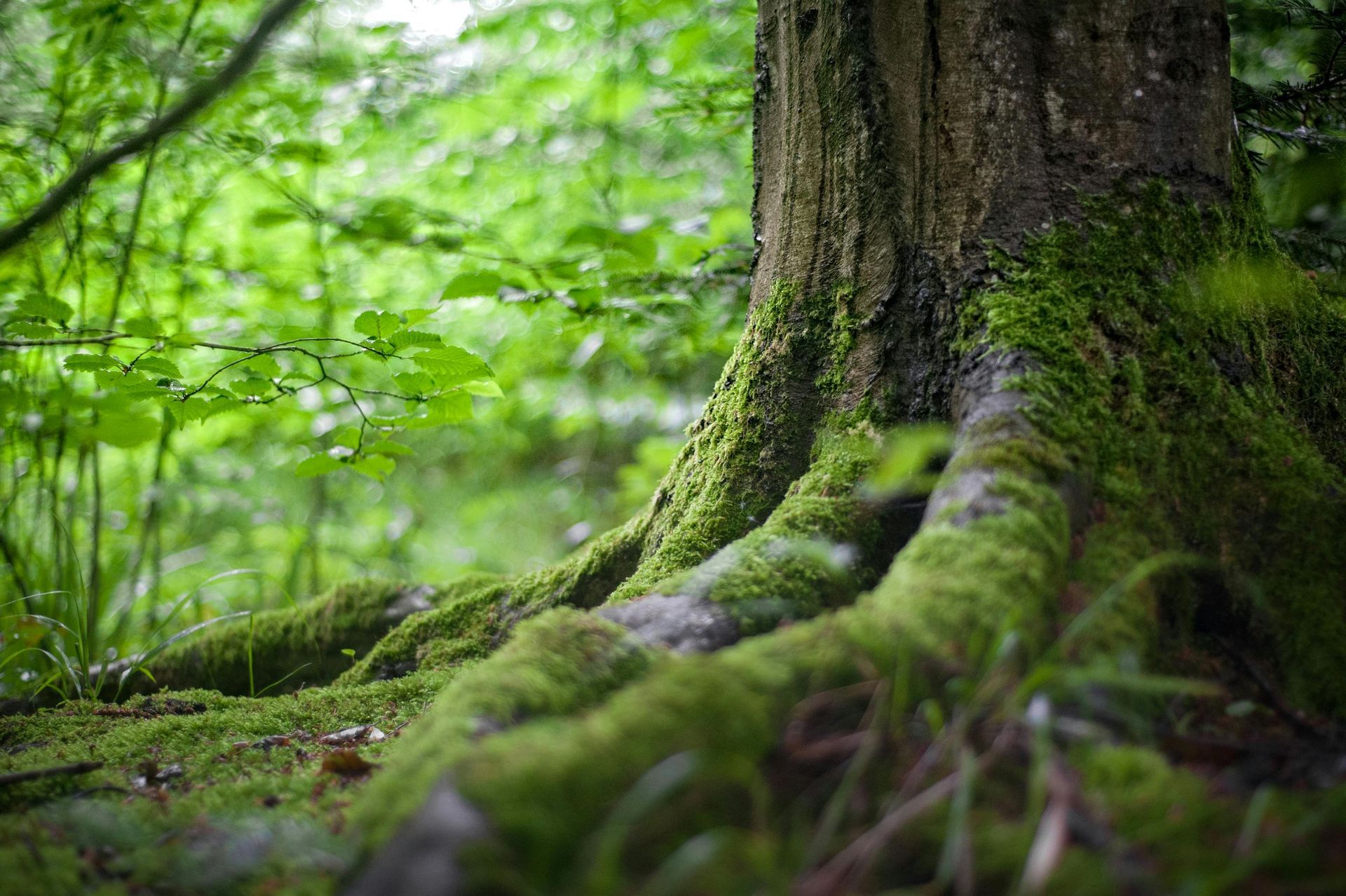
In neighborhoods like Grant Park, Ansley Park, and Candler Park, the skyline is defined by massive water oaks, magnolias, and maples. These "City in a Forest" canopies provide shade, beauty, and significant property value. However, beneath the manicured lawns of these historic properties, a silent battle is being fought between nature and infrastructure.
Root intrusion in historic neighborhoods is one of the most common—and potentially most expensive—plumbing issues Atlanta homeowners face. At Superior Plumbing, we specialize in navigating the delicate balance of maintaining historic charm while implementing modern plumbing reliability.
Table of Contents
- The Conflict: Majestic Canopies vs. Aging Infrastructure
- The Science of the "Thirsty" Root
- Warning Signs of Root Intrusion
- The Preservation Dilemma: Saving the Tree and the Pipe
- Modern Solutions: Trenchless Technology
- Prevention Strategies for Atlanta Property Owners
The Unique Conflict: Majestic Canopies vs. Aging Infrastructure
Atlanta is world-renowned for its urban forest. In our historic districts, many trees are well over a century old. While these trees are a neighborhood treasure, the plumbing systems beneath them are often just as old—and far more fragile.
Why Historic Neighborhoods are "Hot Spots"
Most homes built in Atlanta between 1900 and 1950 utilized clay tile or Orangeburg (bituminous fiber) pipes for sewer laterals. Unlike modern PVC or high-density polyethylene (HDPE), these older materials have numerous joints. Over decades, the ground shifts, and these joints weaken. Once a tiny crack or gap appears, it acts as a beacon for the expansive root systems of nearby trees.
The Science of the "Thirsty" Root
It is a common misconception that tree roots "attack" pipes. In reality, they are simply following the laws of biology. Roots seek out nutrients, oxygen, and, most importantly, moisture.
How Roots Find Your Sewer Line
Sewer lines carry warm water filled with organic nutrients. As the vapor escapes through a loose joint or a hairline crack in a clay pipe, the surrounding soil becomes a nutrient-rich "oasis." Tree roots can sense this moisture gradient from several feet away.
A single "hair" root enters the pipe. Once inside, it finds an unlimited supply of "fertilizer" and water. Within months, that tiny hair expands into a thick, woody mass that can completely block water flow and eventually shatter the pipe from the inside out.
Warning Signs of Root Intrusion in Older Homes
Because sewer lines are buried deep underground, the damage is often invisible until a total failure occurs. However, historic home owners should look for these early warning signs:
- Frequent "Slow" Drains: If multiple drains in your home are slow to empty, the blockage is likely in the main line rather than a single fixture.
- Gurgling Noises: A "glug-glug" sound coming from your toilets when you run the shower or washing machine is a classic sign of a partial obstruction.
- Unusual Green Patches: If one area of your lawn is significantly greener or faster-growing than the rest, it may be feeding off a leaking sewer pipe.
- Sulfur Odors: Sewer gas escaping from a root-punctured line can often be smelled in the yard or basement.
The Preservation Dilemma: Saving the Tree and the Pipe
In historic districts, the last thing a homeowner wants to do is cut down a 100-year-old oak. Likewise, many Atlanta neighborhoods have strict ordinances regarding tree removal. The challenge is clearing the roots without killing the tree or destroying the yard with deep trenches.
Chemical vs. Mechanical Removal
For minor intrusions, mechanical augering (root cutting) can provide temporary relief. However, this is like pruning a hedge; the roots will grow back thicker and faster. Chemical foaming agents can kill the roots inside the pipe without harming the tree, but this only works if the pipe's structural integrity is still intact.
Trenchless Technology: The Modern Solution
In the past, fixing a root-damaged sewer line meant digging a 10-foot-deep trench across your yard, often destroying gardens, sidewalks, and the very tree roots causing the problem.
At Superior Plumbing, we prioritize Trenchless Sewer Repair (Cured-In-Place Pipe or CIPP).
- How it works: We insert a resin-saturated felt tube into the existing pipe.
- The Result: The resin hardens, creating a "pipe within a pipe" that is seamless and jointless.
- The Benefit: Since there are no joints, there is no place for future roots to enter. Most importantly, your historic landscaping remains untouched.
Prevention Strategies for Atlanta Property Owners
If you live in a historic neighborhood, prevention is your best defense. Here is how you can protect your property:
- Annual Video Inspections: For homes over 50 years old, a yearly sewer camera inspection can catch root "hair" before it becomes a "mass."
- Know Your Pipe Material: If your home still uses clay or cast iron, consider a proactive lining before a collapse occurs.
- Strategic Planting: If you are adding to your landscape, choose "sewer-safe" trees with non-invasive root systems, such as Dogwoods or Japanese Maples, and plant them at least 10 feet away from the sewer line.
- Copper Sulfate Treatments: Occasional professional applications of copper sulfate can act as a root deterrent near the pipe zone.
Why Superior Plumbing is the Choice for Historic Homes
Historic homes require a specialized touch. You need a team that understands the local soil conditions of the Georgia Piedmont and the specific architectural quirks of early 20th-century Atlanta plumbing.
Superior Plumbing has spent decades serving the Atlanta metro area. We don't just clear a clog; we provide long-term solutions that respect the history of your home and the health of our local environment. Our technicians are experts in "no-dig" technology, ensuring your Grant Park bungalow or Buckhead estate remains beautiful while your plumbing remains functional.
Keep Your Atlanta History Intact
Root intrusion is a natural part of living in a lush, green city like Atlanta, but it doesn't have to mean the end of your plumbing or your trees. By combining expert diagnostic technology with modern repair methods, you can have the best of both worlds.
Are you hearing gurgling in your pipes or noticing slow drains? [Call Superior Plumbing at 770-422-PLUM to schedule a sewer line inspection today!]