Seasonal Water Heater Maintenance: Preparing Your Duluth Home for Year-Round Comfort
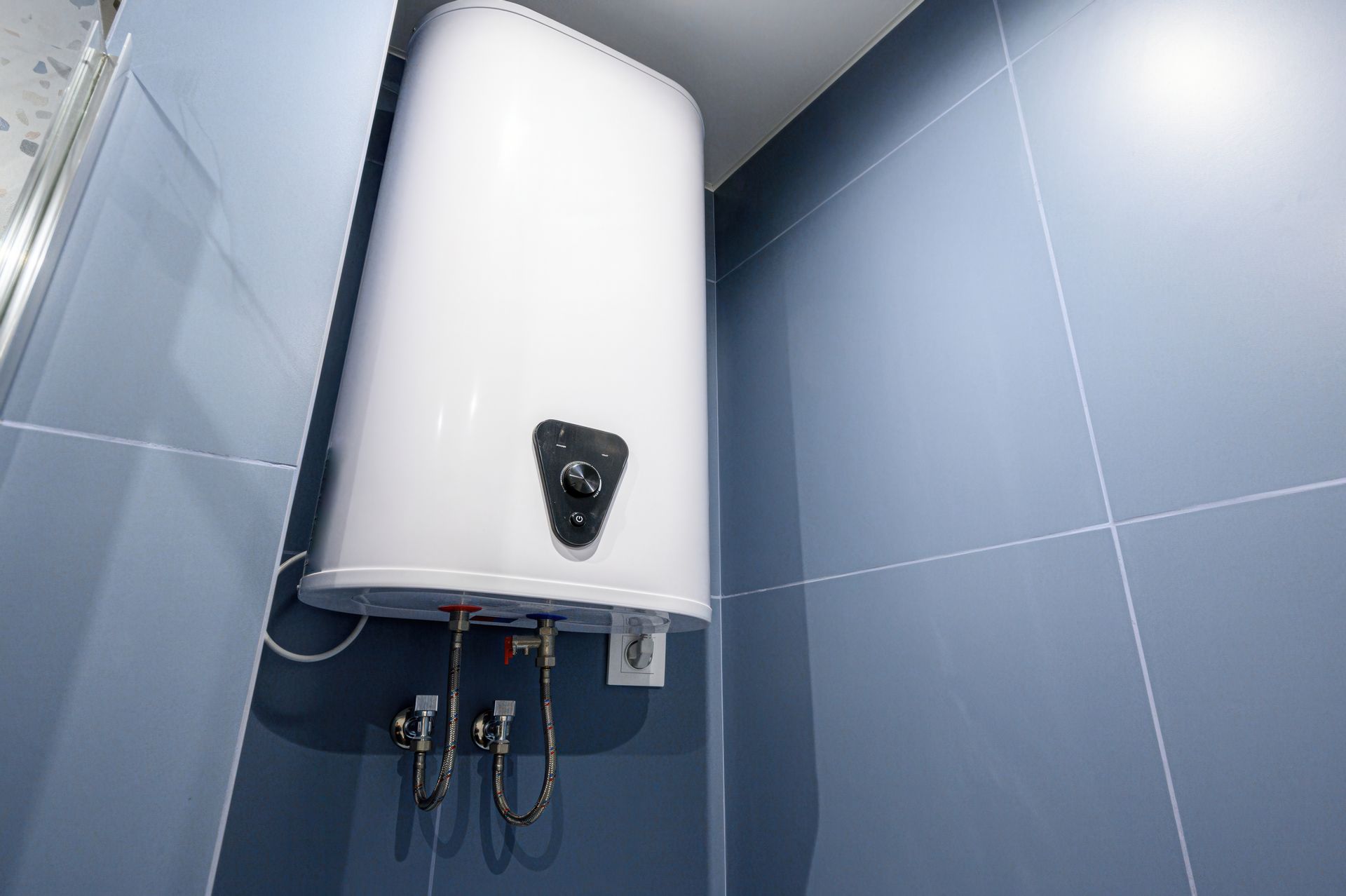
In Duluth, GA, our plumbing systems are forced to adapt to a wide range of conditions, from the sweltering humidity of a July afternoon to the surprising overnight freezes that can strike Gwinnett County in January. While many homeowners remember to service their HVAC units, the water heater is often forgotten until it fails during a holiday gathering or a particularly cold snap. Your water heater works much harder during the winter months because the "groundwater" entering your home is significantly colder, requiring more energy to reach your desired temperature. By implementing a proactive seasonal maintenance routine, you can ensure your system remains efficient, extends its overall lifespan, and provides the consistent hot water your family relies on. In this guide, we will break down the essential steps for seasonal care and how Duluth’s specific climate and water conditions impact your unit’s performance.
The Impact of Georgia’s Seasons on Your Water Heater
Seasonal changes in North Georgia do more than just change the thermostat setting in your hallway. During the summer, the water entering your home from municipal sources is relatively warm, meaning your heater only needs to raise the temperature by 40 or 50 degrees. However, when winter arrives, that same water can drop to near-freezing temperatures. This creates a "thermal shock" effect and forces the heating elements or gas burners to run for much longer cycles.
Additionally, our local water in the Duluth area contains minerals that, over time, settle at the bottom of your tank. This sediment acts as an insulating barrier between the heat source and the water. During peak usage seasons—like the winter holidays when guests are visiting this sediment buildup causes the tank to overheat and can lead to the metal fatiguing and eventually leaking. Regular seasonal flushing is the most effective way to combat this "silent killer" of water heaters.
Essential Fall Maintenance: Preparing for the Cold
As the leaves begin to turn in neighborhoods like Sugarloaf or TPC Sugarloaf, it is time to perform a "winter readiness" check on your plumbing. One of the most important tasks is inspecting the insulation of your hot water pipes. Pipes located in unconditioned spaces, such as crawlspaces or garages, should be wrapped in foam sleeves to prevent heat loss and protect against freezing.
You should also check the temperature setting on your unit. While 120 degrees Fahrenheit is the standard recommendation for safety and efficiency, some homeowners find they need to slightly nudge the dial up during the dead of winter to compensate for heat loss in long pipe runs. However, you must be careful never to exceed 140 degrees, as this creates a significant scalding risk. If you notice your hot water isn't lasting as long as it used to, it may be time to look into professional water heater repair to check for a broken dip tube or failing heating element.
Signs Your Water Heater is Struggling with the Season
Your water heater will often signal its distress before it stops working entirely. If you hear a popping or rumbling sound—similar to popcorn or boiling water coming from the tank, this is a clear sign of heavy sediment buildup. The sound is caused by steam bubbles forcing their way through the layer of crust at the bottom of the tank.
Another seasonal red flag is a sudden spike in your gas or electric bill that doesn't align with your HVAC usage. An inefficient water heater with scaled heating elements will consume significantly more energy to provide the same amount of hot water. If your hot water is appearing rusty or has a "rotten egg" odor during the humid summer months, it often points to a failing anode rod. This rod is designed to corrode so your tank doesn't have to; once it is gone, the tank itself is next.
Solutions for Year-Round Efficiency
To maintain peak performance throughout the year, we recommend a two-part approach:
- The Annual Flush: Once a year, preferably in the spring or fall, the tank should be drained and flushed to remove mineral deposits. This restores the heat transfer efficiency and prevents the "bumping" noises mentioned earlier.
- Anode Rod Replacement: Every three to five years, have a professional inspect and likely replace the sacrificial anode rod. This is the single best way to prevent the tank from rusting out prematurely.
For Duluth homeowners tired of seasonal fluctuations in hot water volume, upgrading to a tankless system is a popular solution. These units do not store water, so they are not subject to the same sediment issues and provide an endless supply of hot water regardless of how many guests are staying in your home. You can learn more about these options on our tankless water heater page.
What Professional Maintenance Costs
A professional water heater "tune-up" in the Duluth area typically ranges from $150 to $300. This service generally includes flushing the tank, testing the pressure relief valve, checking the thermostat accuracy, and inspecting all gas or electrical connections. If the anode rod needs replacement during this visit, you can expect to add another $100 to $150 to the total.
While this may seem like an unnecessary expense when the unit is currently working, it is significantly cheaper than a water heater replacement, which can range from $1,500 to $3,000 for a standard tank. Regular maintenance can often push the lifespan of a quality tank from 8 years to well over 12 years, providing a substantial return on your investment.
When to Call a Professional
There are certain maintenance tasks that should never be attempted as a DIY project. Testing the Temperature and Pressure (T&P) relief valve can sometimes cause an old, brittle valve to stick open, leading to a flood if you aren't prepared to replace it on the spot. If you smell gas near your unit, see water pooling in the drain pan, or notice scorched wires near the heating elements, you should contact a professional immediately.
In Duluth, local building codes require specific venting configurations for gas water heaters to prevent carbon monoxide poisoning. A licensed plumber will ensure that your venting hasn't been obstructed by bird nests or debris during the change of seasons. If you find yourself without hot water in the middle of a Gwinnett County winter, our team provides emergency plumbing service in Duluth to get your home back to a comfortable temperature.
The Superior Plumbing Standard in Duluth
At Superior Plumbing, we pride ourselves on being a locally grounded partner for Duluth homeowners. From the historic homes near Town Green to the newer developments along Peachtree Industrial, we understand the specific plumbing nuances of our community. Our technicians are NATE certified and highly trained in both traditional and tankless technologies. We don't just fix problems; we provide the seasonal guidance needed to keep your system running at maximum efficiency. Our commitment to transparent pricing and high-quality workmanship has made us a trusted name in Gwinnett County for decades.
Schedule Your Seasonal Water Heater Service in Duluth
Don't wait for a cold snap to find out your water heater isn't up to the task. Whether you need a routine flush, a safety inspection, or are considering a high-efficiency upgrade, the team at Superior Plumbing is here to help. We offer comprehensive seasonal maintenance packages designed to protect your investment and ensure your family’s comfort all year long. Call us today to schedule your consultation and experience the peace of mind that comes with professional plumbing care.
Quick Answers for Duluth Homeowners (FAQ)
Why does my hot water run out faster in the winter?
In Duluth, the water entering your home from the ground is much colder in the winter. Your water heater has to work harder to heat this "near-freezing" water to your set temperature. Additionally, if your pipes aren't insulated, heat is lost as the water travels from the tank to your faucet, making the water feel cooler than it actually is.
Should I turn my water heater down when I go on vacation?
Yes. Most modern water heaters have a "Vacation" setting on the thermostat. This keeps the water warm enough to prevent freezing and bacterial growth while significantly reducing energy consumption. It is a great way to save on utility bills during those summer trips to the Georgia coast.
How do I know if my water heater is too old?
The average lifespan for a tank water heater in North Georgia is 8 to 12 years. You can check the age by looking at the serial number on the manufacturer's sticker. If the first four digits are "0514," for example, the unit was likely made in May of 2014. If your unit is over 10 years old, seasonal maintenance becomes even more critical.
Does Duluth have "hard" water that affects my heater?
While Georgia generally has relatively soft water compared to the Midwest, the Duluth area still has mineral content that can cause scale buildup. Over time, these minerals crystallize on heating elements or settle at the bottom of the tank, reducing efficiency and eventually causing the tank to fail.
Can I wrap my water heater in an insulation blanket?
If you have an older tank located in an unheated space like a garage or basement, an insulation blanket can help reduce "standby" heat loss. However, you must be extremely careful not to block the air intake or the exhaust vent on gas models, as this creates a fire and carbon monoxide hazard. A professional can help you install one safely.