Look at the History, Not Just Today's Backup
A line that has been cleared repeatedly without lasting improvement may need a different kind of correction.

Don't Wait Till Its Too Late...Call The Honest Plumber!
SUPERIOR PLUMBING IN ACWORTH
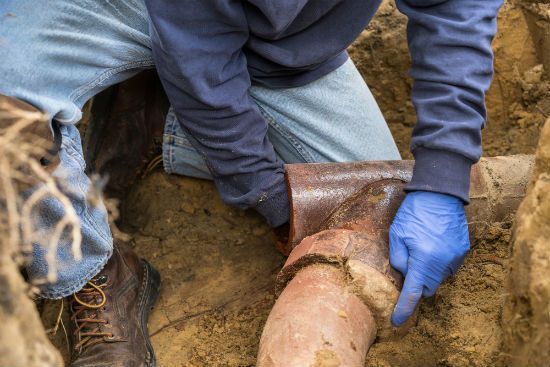
When repeated backups, slow drains, sewage odors, or a confirmed problem in the building sewer starts affecting normal use, guessing at the cause can waste time. For Acworth properties, Superior Plumbing focuses on the plumbing behavior, the component or line involved, and a sewer line repair plan that fits what testing shows.
Superior Plumbing has worked in Metro Atlanta since 1988. The business is led by licensed master plumber Jay Cunningham and has earned Best of Cobb recognition.




START WITH THE SYMPTOM PATTERN
Pick the observation that best matches what is happening now. That detail can point the conversation toward the right fixture, line, or equipment before a sewer line repair recommendation is made.
ACWORTH SEWER LINE REPAIR BASICS
A sewer line deserves repair only when the problem goes beyond an ordinary clog. Repeat backups, a known damaged section, or drainage trouble that returns soon after cleaning can justify a closer look at the pipe itself.
At an Acworth property, details such as when the symptom began, how often it repeats, and what else changes at the same time can shorten the path to the cause.
WHAT YOU SHOULD KNOW AFTER THE VISIT
The service should explain what proves the sewer is damaged, where that condition sits, and whether the recommended work is a spot repair or a longer replacement.
A line that has been cleared repeatedly without lasting improvement may need a different kind of correction.
Physical repair should follow evidence of pipe damage, not only the fact that drains were slow.
A localized defect and poor condition across a longer run call for different scopes.
PLUMBING CONDITIONS WORTH CHECKING
When flow is restored only briefly, the sewer may have a persistent restriction or damaged section that ordinary cleaning does not correct.
A low fixture can become the first overflow point when the building sewer cannot carry discharge away.
Toilets, tubs, and sinks changing together can indicate that the trouble is farther downstream than a single branch.
A confirmed damaged area can continue catching waste or allowing repeat obstruction until the defective pipe is repaired.
Root intrusion can recur when roots have a pathway into compromised sewer piping. The underlying pipe condition matters as much as the material removed.
Odor can remain after a backup, but recurring smell paired with drainage trouble deserves evaluation of the sewer path.
A new problem beside an older repair can raise questions about the surrounding pipe, especially when the same run has a history of failure.
If clearing the line repeatedly produces only temporary improvement, the next step should focus on why the sewer keeps restricting.
SYMPTOMS TO WRITE DOWN
During a sewage backup, stop unnecessary water use and keep people and pets away from contaminated water. Do not keep flushing or running fixtures to test whether the line will clear on its own.
Call 770-422-7586FIND THE CAUSE BEFORE CHOOSING THE SCOPE
The key question is why the sewer keeps failing. A removable obstruction and a physically damaged line may produce similar backups, but they do not call for the same work.
Past service can show whether the same section has been a repeat problem.
Use appropriate sewer diagnostics to establish whether a defect, displacement, root entry, or other physical issue is present.
Repair only the section supported by the condition found, unless evidence shows a broader replacement is justified.
FROM SYMPTOM TO SOLUTION
A useful service call starts with the pattern, narrows the source, and only then moves into repair or installation. The sequence below keeps those decisions tied to what is found at the Acworth property.
Limit fixture use while the main line is restricted so additional sewage is not forced into the property.
Note earlier cleanings, backups, repairs, and any previous information about a damaged section.
Determine whether the current problem is a blockage that can be cleared or a sewer defect that needs physical repair.
Explain where the failed section is and how much pipe must be repaired or replaced.
After the sewer work, run the relevant fixtures and verify that wastewater moves away without another backup.
WHEN ONE REPAIR MAY NOT BE ENOUGH
One isolated defect can support focused work. A line with several damaged areas, repeated root entry, prior repairs, or poor condition across a longer section may justify replacement beyond a single spot. Acworth owners should be able to see how the observed plumbing behavior connects to the recommended repair or installation.
CHOOSING THE RIGHT SCOPE
The scope should reflect the amount of pipe that is actually failing. Neither a tiny repair nor a full replacement should be assumed before the line condition is known.
Ask why the proposed sewer line repair scope fits the conditions found at the Acworth property. Call 770-422-7586 and share any earlier service history that could affect the decision.
HOW THE PATTERN SHOWS UP IN ACWORTH
Two properties can have the same wastewater backup for very different reasons. One may have a removable obstruction, while another has a damaged section that keeps allowing the restriction to return. At an Acworth property, details such as when the symptom began, how often it repeats, and what else changes at the same time can shorten the path to the cause.
That is why service history matters. Previous cleanings, root problems, repair locations, and how quickly the backup comes back can help shape the next diagnostic step.
QUESTIONS THAT MAKE THE SCOPE CLEARER
Ask what condition in the pipe requires repair, where that condition is located, and why the proposed repair length is appropriate.
Superior Plumbing has served Metro Atlanta since 1988. Its supported services include sewer line repair and replacement, drain cleaning, and advanced plumbing diagnostics.
OTHER PLUMBING WORK IN ACWORTH
Not every symptom belongs to the same part of the plumbing. These related services may become relevant only when the inspection shows a separate supply, drain, fixture, or diagnostic need.
Repair or replace a confirmed failed section of the building sewer.
Current ServiceClear ordinary sewer and branch restrictions when the pipe does not need physical repair.
Use fixture behavior and sewer history to narrow a recurring drainage problem.
Separate toilet-specific faults from a main-line sewer issue.
Investigate clean-water leaks that are unrelated to wastewater backup.
Correct pressurized supply piping on the water side of the plumbing.
Handle local fixture problems that are not caused by the sewer.
COMMON SEWER LINE REPAIR QUESTIONS IN ACWORTH
The obstruction may not have been fully removed, roots or buildup may return, or the pipe may have a defect that keeps creating a trouble point. Repeat history is a reason to investigate the line condition.
No. A repeat clog raises concern, but physical repair should follow evidence that the sewer pipe is damaged or failing.
A focused repair can make sense when one defect is clearly identified and the surrounding line remains in serviceable condition.
Wider replacement may be considered when several defects, repeated repair areas, or poor pipe condition extend beyond one isolated point.
No. Extra water can push more wastewater into low fixtures or floors. Limit use until the line is flowing normally.
Share how often backups happen, which fixtures are affected, when the line was last cleaned, whether roots were found, and where any earlier sewer repairs were completed. For a Acworth service discussion, 770-422-7586 and share the symptom history you have already observed.
Serving Metro Atlanta since 1988. Calls answered 24/7.
Plumbing repairs, drain cleaning, water heaters, and sewer and water line service. Based in Kennesaw and serving Metro Atlanta since 1988.


Explore plumbing service in Atlanta and nearby communities.