Read How The Fixtures React
The technician should ask which drains slowed first, which fixtures back up together, what happens when water is used elsewhere, and whether the same stoppage has returned after prior clearing.

Don't Wait Till Its Too Late...Call The Honest Plumber!
Acworth Sewer Line Repair & Replacement
When several drains back up together, roots keep returning, a camera shows a broken joint, or the ground over the sewer route turns soft or sunken, the real question is not just how to clear the line. It is what failed underground and how much pipe actually needs correction. Superior Plumbing helps Acworth homeowners sort out structural sewer damage, poor grade, concrete crossings, targeted repairs, section replacement, and pipe bursting options before unnecessary excavation begins.
Sewer-line diagnosis built around drain patterns, camera evidence, pipe condition, slope, access, and the actual route beneath the property.
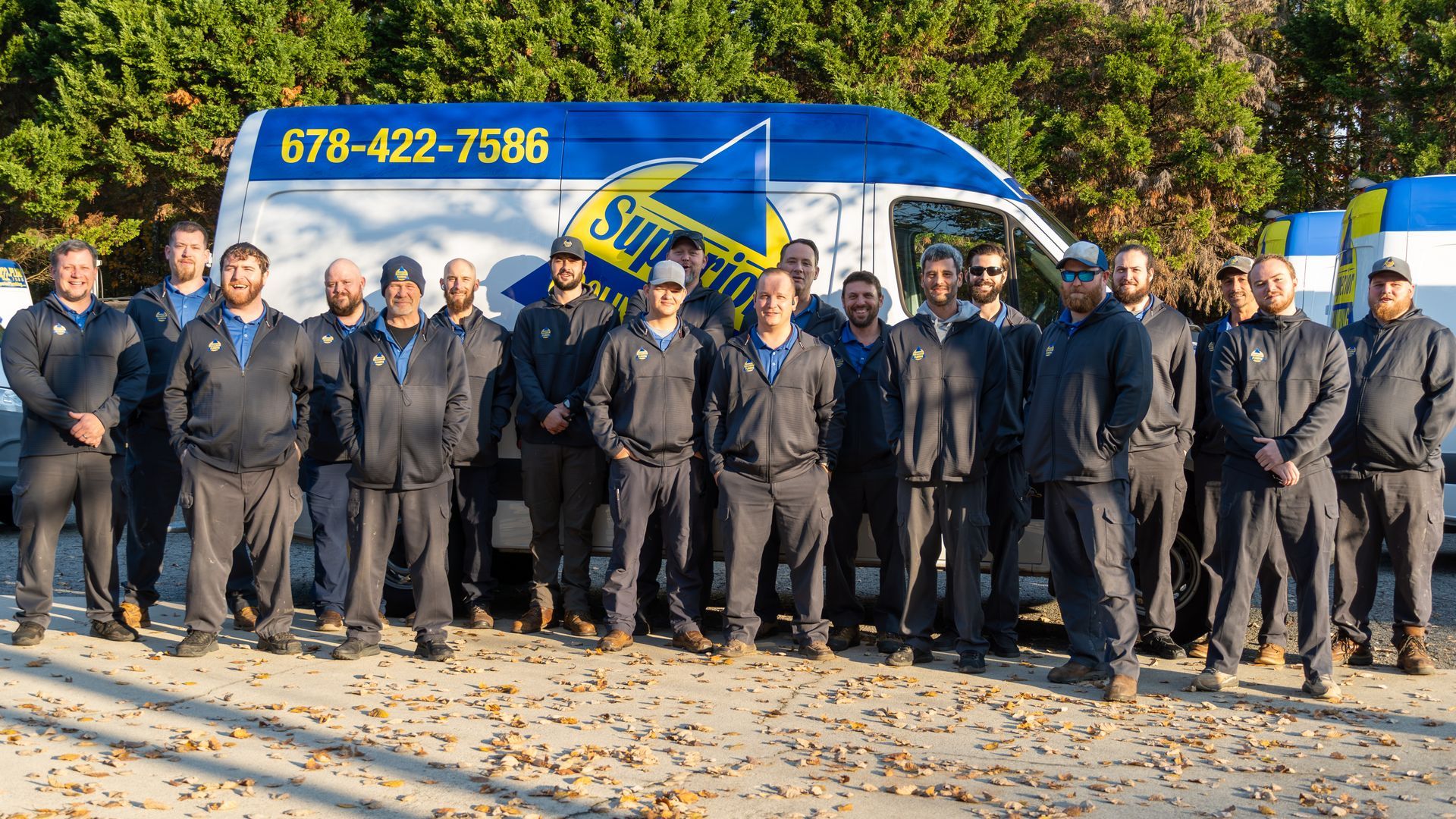
 The Honest Plumber
Serving Acworth and Metro Atlanta
The Honest Plumber
Serving Acworth and Metro Atlanta
 Professional Plumbing Service
Diagnosis before repair scope
Professional Plumbing Service
Diagnosis before repair scope
 Metro Atlanta Experience
Decades of plumbing work
Metro Atlanta Experience
Decades of plumbing work
 Homeowner Guidance
Clear repair-versus-replace reasoning
Homeowner Guidance
Clear repair-versus-replace reasoning
Quick Answer
It may when multiple drains back up together, roots repeatedly return, the same section keeps failing, the ground over the route is wet or settling, or a camera shows cracks, separations, a belly, poor grade, or structural collapse.
The next step is to connect the symptom to the failed section. Superior Plumbing reviews how the fixtures react, what the camera shows, where the line runs, whether it crosses concrete, and whether the rest of the pipe is sound before recommending a spot repair, section replacement, or pipe bursting.
Start With The Whole Pattern
A sewer failure can show itself far from the damaged pipe. The lowest fixture may back up first even though the defect sits outside under the yard. Roots can enter one separated joint while another section still has good structure. A belly can create repeat stoppages without a visible break at all.
Acworth properties also differ in access. Depending on the lot, the sewer route may cross lawn, landscaping, mature-root zones, a driveway, or a sidewalk before reaching the connection. That is why a useful inspection starts by tracing the system and controlling the mess before anyone assumes how much digging will be needed.
A Backup Location Is Not A Failure Location
The tub or floor drain where sewage appears may simply be the lowest release point. The repair plan should follow the sewer route and evidence, not the room where the symptom became visible.
Quick Issue Sorter
Select the symptom that is closest to what you noticed. The result gives a practical first step and helps explain what the technician may need to verify.
Choose the closest description that matches what you're experiencing. If contaminated water is entering the home, reduce water use and keep people and pets away from the affected area.
What Happens On A Good Sewer-Line Call
A useful visit should narrow the cause, protect the property, and explain what evidence supports the recommendation. Those three steps matter whether the final answer is a small repair or a longer correction.
The technician should ask which drains slowed first, which fixtures back up together, what happens when water is used elsewhere, and whether the same stoppage has returned after prior clearing.
Cleanout access, camera findings, line location, depth, and exterior clues help pinpoint the failed area before breaking concrete or excavating more of the yard than the diagnosis supports.
A cracked joint, poor-grade section, driveway crossing, and heavily rooted line are not the same job. The access method should follow the cause and the length of pipe that truly needs correction.
What The Symptoms Can Mean
The same sewer line can fail in very different ways. These are eight common decision points Superior Plumbing can evaluate when Acworth homeowners are trying to understand whether the problem is a blockage, a localized defect, or a larger structural issue.
A toilet, tub, shower, and floor drain reacting together is a main-line clue. The pattern matters more than which fixture overflowed first, because one downstream restriction can affect several branches at once.
Roots do not create an opening in sound pipe; they exploit cracks, loose joints, and separations that already let moisture escape. Repeated root cutting without checking the pipe can leave the structural failure in place.
A camera can show where the line changes from a simple blockage to a cracked joint, offset, belly, root-filled opening, or collapsed section. Location and depth help shape the repair plan before excavation starts.
A sewer route under concrete changes the access conversation. The technician needs to identify the failed area and the line path before deciding whether a small opening, alternate access point, or pipe bursting approach is practical.
One isolated defect may justify a targeted repair. Several weak joints, a longer sagging run, or repeated damage near the same area can make replacing a section more sensible than reopening the property again.
Unexplained softness, persistent moisture, settling soil, or odor along the likely sewer path can point to leakage underground. Those exterior clues should be compared with drain behavior and camera findings rather than treated as proof by themselves.
A sewer line that does not maintain proper fall can hold solids and wastewater, creating repeat stoppages even after the pipe is cleared. Grade problems require a different correction than removing one clog.
Pipe bursting can be useful when a failed line follows a workable route and reducing open trenching matters. Access points, slope, depth, existing pipe condition, and nearby hardscape still have to support the method.
Warning Signs Worth Connecting Together
A single slow sink can be local. The concern grows when several clues line up across the home or along the buried route.
If several fixtures are backing up, do not keep flushing toilets or running tubs just to see whether the line clears itself. Limit water use, keep people and pets away from contaminated areas, and note which fixtures react when water is used elsewhere.
Use The Issue SorterDiagnosis Before Excavation
Sewage can appear at a low tub or floor drain even when the damaged section sits outside the house. A root opening can be farther downstream. Poor grade can hold wastewater in a section that looks intact at first glance. Wet soil may appear beside the exact break rather than directly above it.
The technician has to connect interior fixture behavior with cleanout access, camera evidence, route, depth, slope, and exterior conditions. That is how a visible symptom becomes a repair location instead of a guess.
Several fixtures reacting together points farther downstream than one isolated drain. Which fixture backs up first can also reveal the lowest escape point in the system.
Roots, broken joints, offsets, bellies, and collapsed pipe should be located and compared with the symptom history before the repair length is chosen.
Driveways, sidewalks, mature roots, soft ground, cleanout locations, and grade changes can affect both the diagnosis and how the failed section is reached.
How The Response Process Works
The five steps below keep the visit focused on cause, exposure, access, repair scope, and confirmation after the work.
Protect from wet electrical areas, slippery floors, soaked ceilings, and contaminated water. For a sewer backup, contaminated water is the main exposure concern, so limit water use and keep people and pets away from the affected area.
Compare toilets, tubs, showers, floor drains, cleanouts, and the timing of the backup to determine whether the symptom points to the main sewer line.
Use accessible cleanouts, camera findings, route clues, and depth information to narrow roots, cracks, separations, poor grade, or collapse.
Choose a spot repair, section replacement, or pipe bursting only after the condition of the surrounding pipe and property access are understood.
Verify that wastewater moves through the corrected section and explain what was changed before the homeowner returns to normal fixture use.
When The Problem Looks Bigger Than One Fixture
A severe symptom does not automatically mean full replacement, but it does mean the main line deserves a closer look before another localized fix is attempted.
If a line keeps clogging because roots are entering a separated joint or solids are sitting in a poor-grade section, clearing the obstruction may restore flow without correcting what made the problem return. That distinction is what the inspection needs to establish.
Repair Scope Should Follow The Evidence
The right scope depends on how much pipe is compromised, not on how dramatic the first backup looked.
Acworth Repair Planning
Acworth properties do not all present the same access. A lateral may cross an open lawn on one property and run beneath a driveway, sidewalk, landscaped area, or mature root zone on another. The repair recommendation should account for those real obstacles without assuming that every line needs the same method.
That is especially important when pipe bursting is being considered. The existing route, depth, alignment, grade, access points, and condition of the old pipe all need to support the method. If they do not, a different repair or replacement plan may be more dependable.
The technician should understand the sewer route, hardscape, landscaping, grade, and access on your Acworth property before recommending how the failed section should be reached.
Why The First Inspection Matters
When sewage is backing up or several drains suddenly stop behaving normally, the first visit sets the direction for everything that follows. Superior Plumbing's job is to read the symptom before assuming the worst. A toilet overflow does not prove the toilet failed. A wet spot does not prove the break sits directly below it. A sewer odor does not tell you how much pipe needs replacement.
A careful first inspection follows the drain pattern, checks cleanout access, reviews camera evidence when appropriate, and traces the likely route before anyone talks about breaking concrete, opening interior finishes, or excavating a long section of yard. That keeps the recommendation tied to evidence and gives the homeowner a clearer reason for the work being proposed.
Related Plumbing Services
Not every backup or gurgle turns out to be a structural sewer failure. These related services help separate a localized plumbing problem from an issue in the buried main line.
For structural main-line problems involving roots, cracks, separations, poor grade, failed sections, concrete crossings, and pipe bursting evaluation.
Current ServiceFor localized or main-line stoppages that need to be cleared before the technician can determine whether a structural defect remains.
For visually checking accessible sewer piping and locating roots, offsets, cracks, bellies, separations, or collapse that may change the repair plan.
For fixture, trap, drain, shutoff, or interior piping problems that can mimic part of a sewer-line symptom pattern without involving the buried lateral.
For a toilet-specific clog, seal, flush, or fixture problem when other drains are operating normally and the main sewer line is not implicated.
For identifying usable sewer access points that can support clearing, inspection, testing, and repair planning without unnecessary interior disruption.
Sewer Line Repair & Replacement FAQs
These answers cover the specific warning signs and repair decisions homeowners commonly face when a buried sewer line may be structurally damaged.
When multiple fixtures react together, the restriction may be in the main sewer lateral after those branch drains connect. Note which fixtures are affected and stop adding unnecessary water until the line can be evaluated.
Roots generally enter through an existing opening such as a crack, separated joint, failed connection, or damaged section. A camera inspection can help show whether roots are only present or whether the pipe itself needs structural repair.
A camera may show roots, cracks, offsets, separated joints, bellies, standing water, debris, or collapsed pipe. It also helps locate the problem so the repair discussion is tied to evidence instead of a guess from the surface.
The plan depends on where the failure sits, how deep the line is, available access, and the condition of the remaining pipe. A targeted opening may work in some cases; pipe bursting may reduce open trenching when the existing route is suitable.
A spot repair can fit when one defect is isolated and the pipe on both sides is in usable condition. Section replacement becomes a stronger option when damage extends beyond one point, slope is poor, joints are failing, or repeat repairs are building up.
No. Soil changes can have several causes. The clue becomes more meaningful when it follows the sewer route and appears with odor, backups, or camera evidence. Diagnosis should connect the exterior symptom to what is happening inside the pipe.
Yes. A belly or inadequate grade can let wastewater and solids sit in the line instead of moving consistently toward the connection. Clearing the blockage may restore flow temporarily without correcting the grade problem that caused it.
Ask about pipe bursting when a sewer line needs replacement and you want to understand whether the existing route can be reused with less open trenching. The line still needs suitable access, depth, alignment, slope, and surrounding conditions.
The decision should combine the symptom pattern, camera findings, pipe material, depth, route, slope, prior repair history, access, and how much of the line is actually compromised. The goal is to match the scope of work to the cause, not simply choose the largest repair.