Start With What Changed
The call begins with timing: after a washer discharge, during a shower, after using the sink, or without any nearby fixture running. That sequence helps identify the likely drain path.


Don't Wait Till Its Too Late...Call The Honest Plumber!
Austell, GA Drain Cleaning
A laundry standpipe that spills during the washer drain cycle, a basement floor drain that rises, or an older cast-iron drain that clogs again is more than an everyday nuisance. Superior Plumbing provides drain cleaning in Austell for recurring main-drain blockages, stubborn odors, slow tubs and showers, and bathroom sinks packed with hair, toothpaste, soap, and grooming residue.
Superior Plumbing helps Austell property owners identify what is blocking the flow before recommending the clearing work—especially when old pipe surfaces, recurring roots, or connected fixtures make the symptoms misleading.




QUICK DRAIN ISSUE SORTER
Choose the closest description that matches what you're experiencing. Use the practical first step below, then arrange an on-site check if the problem repeats, affects more than one fixture, or sends water back into the room.
DRAIN CLEANING SERVICE OVERVIEW
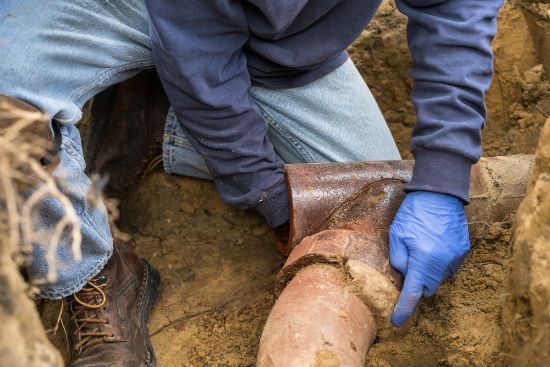
Drain problems do not all begin at the fixture where water appears. In Austell properties with cast-iron or clay drainage, rough interior walls and aging joints can hold residue or roots, while basements, garages, and utility rooms often reveal a restriction at the lowest floor drain.
A washer that overwhelms its standpipe points to a different flow problem than a bathroom sink coated with toothpaste and grooming products. Superior Plumbing starts by following the water: which fixture releases it, which opening reacts, whether the odor returns, and whether the restriction appears close to one trap or farther into a shared drain.
WHAT TO EXPECT
The point is not simply to make standing water disappear. The technician should understand what triggered the symptom, protect nearby finishes, and explain why the recommended work fits the drain's behavior.
The call begins with timing: after a washer discharge, during a shower, after using the sink, or without any nearby fixture running. That sequence helps identify the likely drain path.
Standing water is contained where practical, vulnerable belongings are moved, and access is planned without dragging drain residue through the home.
Fixture response, pipe material, access, and repeat-clog history guide whether the job calls for a focused clearing or broader cleaning of a shared run.
COMMON DRAIN PROBLEMS
Rough interior walls can retain paper, soap, sludge, and mineral buildup even after flow returns. A clog that reappears quickly needs a closer look at the pipe material and the location of the restriction.
Water that bubbles or rises through a low floor drain often means another fixture or appliance is feeding a restricted shared run. Stop adding water before the overflow reaches stored belongings or finished space.
A washer releases a large volume of water quickly. If the standpipe or connected branch cannot carry that surge, sudsy water can climb the pipe and spill during the drain cycle.
Surface cleaning may freshen the room without removing buildup inside the drain. A dry trap, dirty overflow passage, blocked venting path, or deeper organic residue can allow the smell to return.
Several fixtures slowing, gurgling, or backing up together can point past a single trap. Rooter equipment can reach and break through a stubborn obstruction farther along the shared main drain.
Caustic products can sit in a fully blocked line, attack older metal, damage finishes, and expose anyone opening the drain to corrosive liquid. They also do not correct roots or heavy buildup on rough pipe walls.
Strands of hair bind with soap, conditioner, and body-care residue below the stopper. The drain may begin with a slow swirl, then leave standing water around your feet before it stops moving entirely.
Toothpaste, shaved hair, cosmetics, and sticky grooming products collect around pop-up assemblies and trap bends. Cleaning only the visible stopper can leave the deeper restriction in place.
WARNING SIGNS
Turn off the washer or fixture feeding the problem, keep people away from the wet area, and do not add chemical cleaner. A low floor drain or standpipe can overflow again as soon as another appliance or fixture sends water into the restricted run.
Call 770-422-7586FOLLOWING THE SOURCE
Water around a laundry area may come from the standpipe, a hose connection, or a nearby floor drain. An odor at one sink may originate in its trap or farther along a shared branch. Superior Plumbing compares shutoff behavior, fixture flow, pressure clues, and where water or odor appears before deciding which drain needs work.
Shutoff checks and dry-versus-active fixture observations help distinguish a pressurized-water leak from water returning through a drain opening.
Running selected fixtures one at a time can show whether the reaction stays local or appears at a connected floor drain, standpipe, sink, tub, or shower.
The lowest reacting opening, the timing of the smell, and the volume that triggers a backup provide better evidence than the mess alone.
PROCESS
Each step narrows the source, limits additional mess, and matches the clearing work to the evidence instead of assuming every slow fixture has the same cause.
Protect from wet electrical areas, slippery floors, soaked ceilings, and contaminated water. Pause the fixture or appliance that is feeding the overflow.
The technician determines whether the symptoms point to one fixture trap, a branch shared by several fixtures, a laundry connection, or the property's main drain.
Controlled tests compare how sinks, tubs, showers, floor drains, and the washer connection behave while supply shutoffs and pressure clues rule out a separate leak.
Rooter cable, trap cleaning, pop-up removal, or broader mechanical cleaning is selected according to the obstruction, access, and condition of the pipe.
The affected fixtures are tested under realistic flow, the work area is checked, and you are told what changed, what may cause a repeat clog, and what use can resume.
SEVERE DRAIN SYMPTOMS
One slow stopper may be local. Water moving between fixtures, a floor drain that rises during laundry, or several drains reacting together points to a restriction in a shared path. Continuing to run water can turn a manageable blockage into damage across the room.
TARGETED WORK OR WIDER CORRECTION
The right scope depends on how many fixtures react, how quickly the clog returns, what the pipe is made of, and whether the buildup is concentrated near one opening or spread through a shared run.
Not sure whether the problem is local or shared? Call 770-422-7586 and explain which fixture was running, where the water appeared, and whether the clog has returned before.
LOCAL CONTEXT
Two Austell properties can show the same slow-drain symptom for very different reasons. One may have hair packed below a bathroom stopper; another may have a laundry surge exposing a shared restriction; a third may have an older cast-iron or clay run whose rough surface keeps collecting material.
That is why the useful local judgment comes from the property itself—not a broad assumption about the city. Fixture layout, pipe material, lowest drain, access, odor timing, and repeat-clog history determine what should be checked and how much work is justified.
BEFORE THE RECOMMENDATION
Superior Plumbing has served Metro Atlanta since 1988, but experience should show up in the way the problem is examined—not in a generic sales pitch. Before a repair recommendation, the technician checks shutoffs where relevant, tests affected fixtures, watches water movement, listens to drain behavior, and considers whether pressure changes point to a separate supply-side problem.
You should understand what the evidence supports, why the proposed work fits, and whether the symptom looks isolated or connected to a wider drain path.
RELATED AUSTELL DRAIN SERVICES
The fixture where water appears helps define the service call. These common drain-cleaning needs are shown for comparison; the current Austell service is highlighted below.
Diagnose and clear recurring clogs, slow fixtures, standpipe overflows, lower-level floor-drain backups, and stubborn shared-drain restrictions.
Current ServiceClear a toilet blockage and check for a deeper restriction when the bowl gurgles, refills oddly, or affects a nearby tub or floor drain.
Remove hair, soap film, conditioner, and residue that collect below stoppers and narrow bathroom branch drains.
Clear buildup around pop-up assemblies, trap bends, and fixture drains where toothpaste, shaved hair, and grooming products collect.
Restore flow where cooking grease, food residue, detergent, and disposal waste have narrowed the kitchen drain.
Investigate water rising through basement, garage, or utility-room floor drains when another fixture or appliance discharges.
Clear standpipe and connected branch restrictions that cause sudsy water to spill during the washer drain cycle.
FAQs
Clearing a passage can restore flow without removing every snag point along a rough, scaled, or root-affected pipe. The repeat timing matters: a clog that returns quickly may need broader mechanical cleaning or closer evaluation of where debris keeps collecting. Call 770-422-7586 to arrange Austell drain cleaning.
A floor drain is often the lowest opening connected to a shared drain. Water from a washer, shower, sink, or another fixture can meet a restriction and rise through that lower opening. Pause the fixtures feeding it until the path is checked.
The washer pumps out a large volume of water in a short period. A partially blocked standpipe or connected branch may handle a small faucet flow but not the washer's discharge rate, so water climbs and spills from the pipe.
Cleaning the visible surface may leave organic residue below the stopper, inside an overflow channel, or farther along the branch. A dry trap or airflow issue can also allow odor into the room. The timing and affected fixture help narrow the source.
No. A caustic product can remain trapped in standing water, harm some pipes and finishes, and create a chemical-exposure risk for anyone who opens the drain. It also will not remove roots or correct a recurring restriction in rough older pipe.
The technician may compare affected fixtures, observe water movement, check relevant shutoffs and supply behavior, listen for gurgling, identify the lowest reacting drain, and consider pipe material and repeat-clog history. The recommendation should follow those findings.