
Start With The Fixture Pattern
One disposal-side sink that drains slowly suggests a different access point than a toilet, tub, and sink reacting together.


Don't Wait Till Its Too Late...Call The Honest Plumber!
Canton, GA Drain Cleaning
A slow drain may be holding food debris along a long pipe run, while a toilet that clogs again after plunging can point to a restriction farther from the bowl. Superior Plumbing clears localized clogs, checks repeat backup patterns, and helps Canton homeowners understand whether kitchen waste, roots, heavy household use, or another blockage is keeping the drain from moving normally.
Clear the immediate obstruction, test the drain under normal flow, and find out what is making the same clog return.




CANTON DRAIN SERVICE OVERVIEW
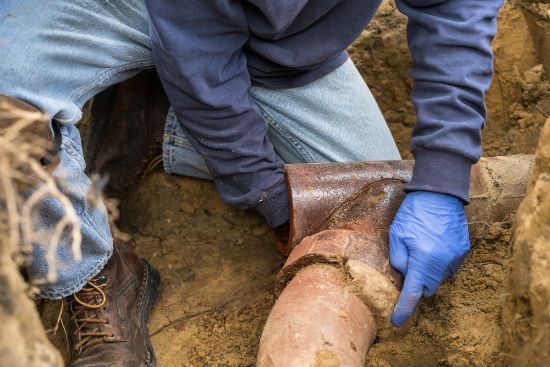
In Canton homes, the distance between a fixture and the main drain can matter as much as the fixture itself. Long horizontal runs can collect food particles and soap residue, busy households can load the same branches all day, and roots can reduce flow where an underground drain has an opening they can enter.
The first move is to limit use before a minor backup reaches cabinets, flooring, or a lower fixture. Superior Plumbing compares which drains are affected, what activity triggers the problem, and whether plunging produced lasting relief. That evidence helps separate a reachable clog from buildup or root restriction farther along the run.
QUICK ISSUE SORTER
Choose the closest description that matches what you're experiencing. The next step depends on whether the slowdown is isolated, returning after temporary relief, connected to kitchen waste, or affecting a longer drain path.
WHAT HAPPENS ON THE CALL
The goal is not to run a machine blindly and leave. A useful visit connects the symptom to the drain path, keeps the work area controlled, and checks whether the clearing held after normal water volume returns.
One disposal-side sink that drains slowly suggests a different access point than a toilet, tub, and sink reacting together.
The technician plans for standing water, removes only what is needed for access, and contains debris around the work area.
A brief trickle is not enough. The cleared run should handle realistic fixture use without gurgling, pooling, or sending water elsewhere.
CLOG AND FLOW PATTERNS
Distance gives soap film, grease, and fine solids more pipe wall to cling to. The fixture may drain, but each use leaves more material behind until the run cannot carry a full flow.
Small root strands can catch paper and waste, forming a blockage that returns after an opening is punched through it. Repeated whole-home symptoms deserve a closer look at the underground run.
Frequent laundry, daily cooking, and back-to-back showers send a steady load through shared branches. Cleaning based on a documented history can make sense when recurring buildup has already been established.
A disposal makes scraps smaller; it does not make them disappear. Food fibers and grease can pack into the trap arm or branch until the sink rises when the disposal or dishwasher runs.
Grounds settle into existing grease, starches swell, and stringy vegetables wrap around other waste. Together they create dense kitchen clogs that hot tap water rarely removes.
Brief relief may mean the plunger shifted the blockage without removing it. A repeated slow flush, rising bowl, or nearby tub gurgle helps show whether the restriction is beyond the toilet.
Another round of plunging can hide the pattern for a day or two. A clog that keeps returning calls for checking the connected run, not simply repeating the same surface fix.
For a reachable obstruction, the right cable head can break through or retrieve the material while working from an appropriate access point. The result still needs a full-volume flow test.
WARNING SIGNS
A plunger can move enough material to lower the water without clearing the full restriction. Write down how quickly the problem returns and which other fixtures react. That timeline is useful evidence, especially with long runs or possible root entry.
Call 770-422-7586DIAGNOSIS BEFORE CORRECTION
A backed-up sink can force water through a loose drain joint under the cabinet. An upstairs bathroom restriction may first show as an odor, damp wall, or ceiling mark below. Closing a faucet or fixture shutoff stops fresh water from entering, but it does not remove a blockage already holding water in the drain. The location, timing, and connected-fixture clues have to be read together.
The order in which a sink, tub, or toilet reacts helps trace the shared path and narrow the likely restriction point.
Cabinet joints, wall cavities, and ceilings below upper fixtures are checked when the visible backup could have escaped elsewhere.
After clearing, the connected fixtures are tested to see whether flow stays quiet and water remains where it belongs.
RESPONSE PROCESS
Each step has a separate job: protect the home, identify the connected system, choose access, clear the actual cause, and confirm that everyday use will not recreate the backup.
Protect from wet electrical areas, slippery floors, soaked ceilings, and contaminated water. Keep people and pets away from the affected space.
We check which fixtures share the path and whether a faucet or valve is still feeding water into the affected area.
The fixture opening, trap, or cleanout is evaluated so the cable can reach the clog without unnecessary disruption.
Food-packed kitchen lines, recurring toilet obstructions, root restriction, and long-run buildup require different cable work and follow-up.
Fixtures are run at realistic volume, nearby drains are watched, and any reason to expect another clog is explained before the visit ends.
ESCALATION CLUES
A localized clog usually stays tied to one fixture. Reactions across rooms, repeated return after plunging, or water appearing at the lowest opening suggest the restricted section is shared and should be treated as a broader drain problem.
SIZE THE WORK TO THE EVIDENCE
The recommendation should grow only when the symptom pattern and clearing result justify it. One reachable obstruction does not need to be treated like a whole-house flow problem, and repeated shared-drain symptoms should not be dismissed as a simple fixture clog.
Describe what happens after plunging and which fixtures react. Call 770-422-7586 for practical drain-cleaning guidance.
CANTON SERVICE JUDGMENT
Canton does not create one single type of drain clog. The useful local question is how the property is laid out: whether a kitchen or lower-level fixture sits on a long run, whether several bathrooms share a branch, how heavily the household uses those fixtures, and whether mature landscaping is near the underground drain route.
Superior Plumbing weighs those property clues against what the fixtures are doing. That keeps a disposal-side food clog from being overcomplicated and keeps a recurring root or shared-run restriction from being treated like an isolated blockage.
QUICK FIX OR BIGGER PROBLEM?
A quick fix is appropriate when the clog is reachable, isolated, and stays cleared during testing. The picture changes when multiple fixtures react, roots return, or a long drain run never regains dependable flow.
Superior Plumbing has served Metro Atlanta since 1988. That experience is used to explain what the clearing proved, what it did not prove, and whether any additional step would solve a documented problem rather than an assumption.
RELATED CANTON PLUMBING HELP
Sometimes the blockage is only part of the problem. A damaged disposal, leaking fixture joint, unreliable toilet, or hidden moisture source may need separate attention once the drain path is understood.
Clear localized and shared-drain restrictions, test the restored flow, and identify why a clog keeps returning.
Current ServiceAddress bowls that rise, flush weakly, clog again after plunging, or affect a nearby tub or sink.
Check jams, poor grinding, leaks, and disposal problems that leave food debris sitting in the kitchen drain.
Correct dripping faucets, worn cartridges, loose fittings, and fixture leaks that complicate drain symptoms.
Trace unexplained moisture in cabinets, walls, ceilings, or floors when a backup is not the only possible source.
Evaluate tank leaks, inconsistent hot water, unusual noises, and equipment problems near connected floor drains.
Review recurring fixture, drainage, leak, and shutoff concerns when several symptoms need to be considered together.
FAQs
The stopper catches surface hair and debris, but buildup may sit much farther down the branch. Long horizontal runs provide more pipe wall for soap, grease, and fine solids to collect, so clearing the fixture opening alone may not restore full flow.
Roots that enter an underground drain can catch paper and waste until the restriction affects connected indoor fixtures. Common clues include multiple slow drains, a low fixture reacting first, and the same blockage returning after temporary clearing.
Not every home needs routine cleaning. A schedule is more defensible when the same run has a documented buildup pattern, heavy daily use, or previous clogs at predictable intervals. The interval should follow the property's history rather than a blanket recommendation.
Yes. Grounds settle into grease, rice and pasta absorb water, and fibrous scraps can bind other debris. Put those materials in the trash or compost instead of relying on the disposal to move them through the drain.
The plunger may shift or compress the obstruction without removing it. If the bowl rises again, flushes slowly, or makes a nearby drain gurgle, stop repeated flushing and have the connected path checked.
A clog deserves a broader evaluation when relief lasts only a short time, more than one fixture reacts, or dirty water returns at a lower opening. Those clues suggest the restriction is farther along a shared run.
A rotating cable carries a selected head through the access point to break, retrieve, or cut through a localized obstruction. The technician should match the setup to the pipe and confirm the result with a realistic water-flow test.
Stop using fixtures that feed the affected drain, keep people away from dirty water, avoid pouring chemical cleaners into the line, and note what was running when the backup appeared. Call 770-422-7586 and share whether the problem is isolated or affecting several fixtures.