Follow The Water Path
The technician compares the affected drain with nearby toilets, tubs, sinks, and floor drains to determine whether the stoppage is local or shared.

Don't Wait Till Its Too Late...Call The Honest Plumber!
Cartersville, GA Drain Cleaning
A slow drain that keeps returning, a floor drain that rises during laundry, or an odor that comes back after surface cleaning is not fixed just because water eventually disappears. Superior Plumbing clears stubborn clogs in Cartersville homes, evaluates older cast-iron and clay drains, and helps busy households stop repeat blockages before wastewater reaches the floor.
Superior Plumbing helps Bartow County property owners separate a one-time fixture clog from buildup, roots, rough older pipe walls, or a main-drain obstruction that needs professional rooter equipment.
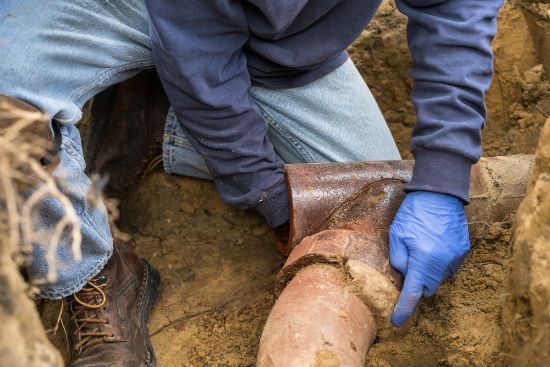




DRAIN CLEANING IN CARTERSVILLE
Cartersville includes established homes with older drain materials as well as newer, high-use households where kitchens, laundry rooms, and multiple bathrooms put steady demand on shared branch drains. Either type of property can develop a clog, but the reason it returns may be completely different.
Superior Plumbing starts by separating surface symptoms from the actual restriction. One slow sink can point to a nearby trap or branch. A garage, basement, or utility-room floor drain that rises when another fixture empties suggests the blockage is farther downstream. The goal is to control the mess, locate the affected run, and clear the cause without guessing at unnecessary work.
QUICK ISSUE SORTER
Choose the closest description that matches what you're experiencing. Use the first step below to limit mess or pipe damage while you arrange a proper drain evaluation.
WHAT HAPPENS ON A DRAIN CALL
Before equipment goes into a line, the fixture pattern, pipe access, and history of past clogs should point toward a reasonable starting place. That protects finishes, avoids unnecessary disassembly, and gives the clearing work a measurable goal.
The technician compares the affected drain with nearby toilets, tubs, sinks, and floor drains to determine whether the stoppage is local or shared.
Mats, buckets, access planning, and careful equipment placement help keep wastewater and drain debris away from cabinets, flooring, stored items, and finished rooms.
Normal-volume water testing shows whether the line can carry use again. If roots, scale, or rough pipe walls make another clog likely, the homeowner gets a clear explanation.
WHERE CLOGS START AND WHY THEY RETURN
High-use kitchens, frequent laundry, and full bathrooms send more grease, hair, soap residue, and paper through shared drains. Planned cleaning makes sense when flow is getting slower even though no fixture is fully blocked yet.
Rust scale inside cast iron and uneven joints in older clay pipe create rough surfaces that catch solids. Clearing the clog restores flow, but the condition of the drain explains why it may re-clog more easily.
Multiple slow fixtures, toilet gurgling, or wastewater appearing at the lowest drain can signal a deeper obstruction. Rooter equipment reaches farther than a sink plunger or short hand auger.
A basement, garage, or utility-room floor drain often becomes the first place wastewater appears because it sits low in the plumbing system. Stop adding water until the shared drain path is checked.
Odors that disappear after wiping the drain opening may return when buildup remains below the surface, a trap is dry, or organic debris coats a branch line. The odor source matters more than masking it.
Caustic drain liquids can sit against old metal, soften some components, discolor fixtures, and leave dangerous chemicals for the person opening the drain. They also rarely remove roots or heavy solid obstructions.
A plunger may shift a soft blockage just enough for water to fall. When the fixture slows again after normal use, debris is likely still narrowing the trap or branch drain.
Products labeled flushable do not always break apart like toilet paper. Wipes, paper towels, and hygiene products can bunch at rough joints, roots, or existing buildup until the drain closes.
WARNING SIGNS WORTH ACTING ON
Water falling after plunging only proves that a passage opened. It does not prove grease, scale, wipes, roots, or packed debris left the pipe. If normal use brings the symptom back, stop repeating the same temporary fix and have the affected run evaluated.
Call 770-422-7586FIND THE RESTRICTION BEFORE CHOOSING THE TOOL
A backed-up sink may have a nearby trap obstruction, but water returning through a floor drain can originate farther down a shared run. Recurring odors, toilet gurgling, and the timing of a backup all help distinguish a local buildup from a deeper restriction. Superior Plumbing uses those clues before opening access or feeding equipment into the line.
What drains slowly, what drains normally, and which fixture makes another one react help bracket the blockage location.
Older cast iron and clay require different judgment than a newer, smooth-wall drain. Access and pipe condition shape the clearing plan.
The cleared line is tested with enough water to show whether it carries ordinary household use without gurgling, pooling, or pushing water elsewhere.
FROM FIRST SYMPTOM TO SAFE USE
Each step narrows the problem, limits exposure to wastewater, and confirms whether the drain is ready for normal use again.
Protect from wet electrical areas, slippery floors, soaked ceilings, and contaminated water. Keep children, pets, and stored belongings away from the affected area.
Fixture timing and flow patterns show whether the restriction is at a trap, branch drain, shared stack, floor drain run, or main building drain.
The technician checks the affected fixtures, traps, cleanouts, and safe equipment entry points while accounting for older or fragile pipe materials.
Cable, auger, or rooter equipment is selected for the likely obstruction instead of using the same approach on every clog.
Normal-volume water testing confirms safe use again. You also learn what likely caused the blockage and which habits or follow-up checks can reduce a repeat.
SEVERE DRAIN SYMPTOMS
One slow fixture often points to a local obstruction. Several fixtures reacting together, wastewater returning through a low drain, or a clog that repeatedly survives plunging suggests the restriction sits in a shared section of the drainage system. Continuing to use water can turn a manageable stoppage into a contaminated cleanup.
RIGHT-SIZED DRAIN WORK
The symptom pattern, clog history, pipe material, and number of affected fixtures determine whether one localized obstruction can be cleared or a longer shared run needs more complete attention.
Not sure whether the clog is local or shared? Call 770-422-7586 and explain which fixtures react, what was running, and whether the problem has happened before.
CARTERSVILLE DRAIN JUDGMENT
Cartersville plumbers may encounter smooth newer drain materials in one home and older cast iron or clay in another. Those differences matter: rough interior scale can hold paper and sludge, older joints can collect roots, and a long shared run may show its first symptom at a garage or utility-room floor drain rather than at the obstruction itself.
Household use matters just as much as pipe age. A busy kitchen or repeated washing-machine discharge can expose a narrowing drain faster than an infrequently used fixture. Superior Plumbing compares the symptom, access, past clog history, and pipe material before recommending how much of the drain needs attention.
COMMUNITY ROOTS
Superior Plumbing has served Metro Atlanta since 1988, but time in business is only part of the story. The company also stays involved through local schools, charitable organizations, Kennesaw State University athletics, and programs designed to give families a useful connection to the plumbing trade.
The Superior Plumbing Kids Club is part of that community-minded approach, turning everyday plumbing knowledge into practical education for younger family members. On a Cartersville drain call, the same mindset shows up as patient explanations, respect for the home, and clear guidance about what caused the clog and how to reduce the chance of another one.
RELATED DRAIN CLEANING SERVICES
The affected fixture, obstruction depth, drain material, and clog history determine the most useful next step. These service categories help explain how a simple fixture clog differs from a recurring shared-drain problem.
Clear blocked sinks, tubs, showers, toilets, floor drains, branch lines, and stubborn main-drain restrictions with work matched to the actual symptom pattern.
Current ServiceAddress a toilet that will not clear, overfills, gurgles after flushing, or sends water into a nearby tub or floor drain.
Reach deeper obstructions when several fixtures slow together, the lowest drain backs up, or ordinary plunging does not hold.
Remove grease, food residue, soap film, and disposal debris that progressively narrows a kitchen branch drain.
Evaluate backups in garages, basements, and utility rooms, especially when the drain reacts to laundry or bathroom use.
Trace recurring smells to organic buildup, a dry trap, trapped debris, or a restriction deeper than the visible drain opening.
Clear developing buildup before a high-use household reaches a full blockage, overflow, or repeat clog cycle.
FAQs
There is no honest one-size-fits-all interval. A household with frequent kitchen use, multiple daily showers, recurring grease buildup, or a history of slow shared drains may benefit from service before the line closes completely. Watch for noticeably slower flow, repeated gurgling, and odors rather than waiting for an overflow. Call 770-422-7586 to describe the clog history and affected fixtures.
Cast iron can develop heavy internal scale, while older clay sections may have uneven joints or offsets. Those rough areas catch paper, grease, hair, and other solids more readily than a smooth drain. Clearing restores flow, but the pipe condition can still make prevention and follow-up inspection important.
Rooter equipment uses a powered cable and an attachment suited to the likely obstruction. It can travel farther into a shared or main drain than a household plunger or short hand auger. The technician still needs to consider pipe material, safe access, and whether roots, wipes, scale, or packed debris caused the stoppage.
A washing machine releases a large amount of water quickly. If a shared drain is narrowed, that discharge may exceed the remaining capacity and rise through a nearby low floor drain. Pause the washer and other water use until the affected run is cleared and tested.
Surface cleaning does not reach organic buildup farther down the trap or branch drain. A dry trap, hidden debris, or a partially restricted line can also allow odor to return. Note whether the smell changes after water runs or another fixture drains; that clue helps identify the source.
Strong chemical products can sit against metal piping, affect some drain components, stain fixture finishes, and create a handling hazard when a plumber later opens the line. They also do little for wipes, roots, or a solid main-drain blockage. Tell the technician if any product has already been poured into the drain.
Plunging can move soft material or open a narrow passage without removing the buildup lining the drain. Normal water use then pushes debris back into the same restriction. A clog that returns quickly needs more than repeated pressure at the fixture opening.
Wipes generally hold together longer than toilet paper. They can bunch with paper towels and hygiene products or snag on roots, scale, and rough older joints. The safer practice is to flush only human waste and toilet paper and place other products in the trash.