Compare Fixture Behavior
Running and draining selected fixtures can show whether the trouble stays local or appears across a shared branch. That difference changes where the technician starts.

Don't Wait Till Its Too Late...Call The Honest Plumber!
Cumming, GA Drain Cleaning
One slow sink may point to a nearby clog. Several sluggish drains, a toilet that blocks again after plunging, or air bubbles in another fixture usually means the restriction sits farther along the drain path. Superior Plumbing clears Cumming drains affected by disposal debris, mineral scale, trapped objects, and localized blockages using professional cable equipment matched to the symptom pattern.
Superior Plumbing helps Cumming homeowners separate a fixture-level clog from a shared drain restriction before the wrong tool or another chemical cleaner makes the problem harder to solve.




CUMMING DRAIN CLEANING OVERVIEW
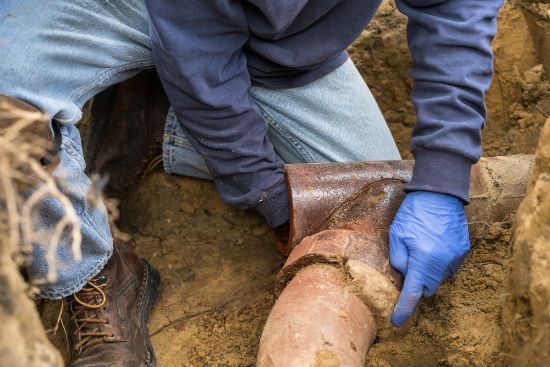
In Cumming homes, one slow drain and several slow drains should not be treated as the same problem. A single sink or tub often points to a stopper, trap, or nearby branch. Multiple bathrooms slowing together, toilet bubbles, or water moving in another fixture point farther along the shared drain path.
The visible symptom is only the starting point. Disposal debris can pack a kitchen branch, mineral scale can make rough pipe walls catch waste, and a foreign object can move beyond a toilet trap. Superior Plumbing compares fixture behavior before choosing an access point or running a cable, which helps control overflow risk and avoids unnecessary work.
QUICK ISSUE SORTER
Choose the closest description that matches what you're experiencing. The result gives you a practical first step while you arrange an on-site diagnosis.
WHAT HAPPENS ON A DRAIN CALL
Good drain work starts with evidence: where flow slows, which fixture reacts next, and what has already been tried. That sequence helps protect the room, reach the obstruction from a sensible access point, and avoid treating every clog like the same cable job.
Running and draining selected fixtures can show whether the trouble stays local or appears across a shared branch. That difference changes where the technician starts.
Standing water is contained, vulnerable flooring or cabinet contents are moved out of the splash zone, and chemical-cleaner use is identified before equipment enters the drain.
A sink trap, toilet opening, accessible cleanout, or nearby branch may offer the cleanest route. The access choice should fit the fixture pattern and suspected obstruction.
FIXTURE AND DRAIN CLUES
A single sluggish fixture usually keeps the search close to its stopper, trap, or branch. Several slow fixtures shift attention to a shared drain where the clog affects more of the home.
Scale does more than reduce the opening. Its uneven surface catches paper, hair, soap residue, and food particles, allowing a small drag on flow to build into a recurring blockage.
Two bathrooms losing flow at about the same time rarely point to two separate stopper clogs. The common connection between them becomes the more useful place to investigate.
Fibrous scraps, rice, pasta, peels, grease, and too much food at once can pass the disposal but settle inside the drain. Water may then rise in the second sink bowl or drain only after the disposal stops.
Plunging may move enough material to drop the bowl level without removing the obstruction. A fast return often means waste remains in the trapway or the connected drain.
Air pushed through water seals can make a drain gulp or a toilet bubble as another fixture empties. That cross-fixture reaction helps trace a restriction in a shared path.
Toys, caps, wipes, hygiene products, utensils, and other solid items do not break down like normal waste. Pushing them farther can turn a reachable obstruction into a deeper clog.
Cable clearing is well suited to many localized clogs when the technician can choose the correct entry point, cable size, and working head for the fixture and line.
WARNING SIGNS
Note which fixture was used immediately before the slowdown or backup returned. That timing can reveal whether the obstruction stayed close to one fixture or sits in a shared branch that needs professional cable clearing.
Call 770-422-7586FOLLOW THE FIXTURE CLUES
Water can appear in a tub because a toilet or washing machine discharged into a restricted shared drain. A kitchen sink may hold water because disposal debris settled beyond the trap. Odor, gurgling, bowl bubbles, and the order in which fixtures slow all help separate the visible symptom from the actual clog location.
Testing nearby fixtures helps show whether the problem stays at one trap or follows a connection shared by more than one drain.
Gurgling, bubbles, rising water, and delayed drainage reveal how trapped water and air are moving around the obstruction.
The cleared fixture and connected drains are checked under realistic use so a brief drop in water level is not mistaken for a complete result.
PROCESS
Each step narrows the problem, limits mess, and verifies that the selected clearing approach solved more than the immediate symptom.
Protect from wet electrical areas, slippery floors, soaked ceilings, and contaminated water. Stop connected fixture use when continued drainage could spread the mess.
Compare the affected fixture with nearby sinks, tubs, toilets, and laundry drainage to determine whether the restriction is local or shared.
Review the trap, toilet opening, available cleanout, and branch layout before selecting the cable size and entry point.
Break apart soft buildup, retrieve a reachable object, or work through a localized obstruction without applying more force than the line requires.
Run enough water through the affected and connected fixtures to verify stable flow, then explain what entered the drain and what would signal a repeat problem.
WIDESPREAD DRAIN SYMPTOMS
A single blocked fixture is usually contained. The situation changes when water use in one room creates noise, bubbles, or rising water somewhere else. Those reactions suggest connected drains are meeting the same restriction.
REPAIR DECISION
The number of affected fixtures, the suspected material, and how quickly the trouble returns determine whether the work stays close to one fixture or follows a wider shared path.
Not sure which pattern matches your Cumming home? Call 770-422-7586 and explain which fixture slowed first, what happens when another fixture runs, and whether the clog has returned before.
LOCAL JUDGMENT
Cumming properties include different ages, floor plans, and plumbing layouts. A kitchen, laundry connection, powder room, and upstairs bathrooms may drain through separate branches before those paths meet, so the first visible symptom does not reliably identify the clog location.
Careful diagnosis means comparing fixtures instead of leaning on a city-wide assumption. Superior Plumbing looks at the sequence of symptoms, what entered the drain, how previous clearing behaved, and whether cable work restores steady flow under normal use.
CALL ANSWERING WHEN THE PROBLEM CANNOT WAIT
A returning toilet clog or wastewater rising through another fixture does not follow business hours. Superior Plumbing has served Metro Atlanta since 1988, and calls are answered around the clock so Cumming homeowners can explain what is happening and get direction on the next step.
Before dialing, note which fixtures are affected, which one showed trouble first, what happens when nearby water runs, whether anything unusual entered the drain, and whether a chemical cleaner was used. Those details help the team understand urgency and prepare for the likely access and equipment needs.
RELATED DRAIN CLEANING SERVICES
The right starting point depends on the affected fixture and what is lodged or collecting inside its drain. These services stay focused on restoring flow and addressing the fixture involved.
Diagnose one-fixture and multi-fixture slowdowns, then clear localized obstructions with professional snaking and cable equipment.
Current ServiceAddress a toilet that overflows, drains weakly, bubbles, or blocks again after plunging.
Remove grease, food solids, and disposal debris that cause standing water or cross-bowl backup.
Clear hair, soap residue, toothpaste buildup, and small objects lodged near the stopper or trap.
Restore drainage slowed by hair, soap film, mineral buildup, and material packed into the branch.
Clear kitchen drain material that remains after grinding and inspect flow beyond the disposal outlet.
Evaluate and retrieve reachable items from toilet trapways, sink traps, and fixture drain openings before they move deeper.
FAQs
If only one fixture drains slowly while everything nearby works normally, the obstruction is more likely close to that fixture. When another sink, tub, shower, or toilet also slows, bubbles, or receives rising water, the shared connection needs attention. Call 770-422-7586 and describe which fixture changed first.
Separate bathrooms may eventually feed the same drain path. When both lose flow during the same period, the clog may sit after those connections meet rather than inside either fixture's stopper or trap.
Yes. Scale narrows the opening and leaves a rough interior that catches normal waste, hair, soap residue, and food particles. The result may be a drain that repeatedly slows even when household use has not changed.
The disposal can grind food without carrying all of it through the branch drain. Fibrous scraps, starches, grease, and an oversized load can settle past the disposal, causing water to rise in the other bowl or drain slowly after the motor stops.
A plunger may shift the obstruction just enough for the bowl to empty while material remains in the trapway or connected drain. A returning clog calls for locating and removing the obstruction instead of repeating the same temporary opening.
They show air and water being displaced around a restriction. The most useful clue is what other fixture was draining at that moment, because that connection can help identify the affected branch.
Stop if a solid item such as a toy, cap, utensil, or hygiene product is suspected. Repeated plunging or an undersized hand snake can move the object beyond an accessible trap, making retrieval more difficult.
Snaking is often effective for a localized clog that can be reached through a suitable fixture opening, trap, or cleanout. The technician should match the cable and working head to the drain, clear the obstruction, and test connected fixtures under normal flow.