Follow The Water Path
Fixture-by-fixture testing shows whether the stoppage belongs to a trap, one branch, or the main drain shared by several rooms.

Don't Wait Till Its Too Late...Call The Honest Plumber!
Lilburn, GA Drain Cleaning
A drain that slows again after plunging, a toilet that repeatedly clogs, or several fixtures losing flow at once points to more than an everyday nuisance. Superior Plumbing helps Lilburn homeowners locate and clear drain restrictions caused by roots, mineral scale, trapped waste, and buildup—without relying on harsh chemical cleaners or guessing at the safest access point.
Get a clearer answer about whether the stoppage is at one fixture, within a shared branch, or farther along the main drain serving the property.
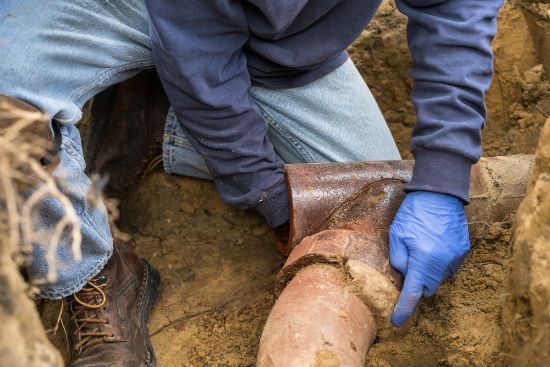




LILBURN DRAIN CLEANING OVERVIEW
In Lilburn homes, the same symptom can come from very different places. One slow sink often points to a nearby trap or branch, while a toilet that gurgles as another fixture drains can indicate a shared restriction farther downstream.
Superior Plumbing starts by following the fixture clues and controlling the chance of overflow. The technician considers repeat clog history, pipe-wall scale, possible root entry, and available cleanouts before choosing where to work. That prevents unnecessary disassembly and reduces the risk of pushing a problem deeper into the drain system.
QUICK ISSUE SORTER
Choose the closest description that matches what you're experiencing. The first step changes depending on whether the problem is isolated, shared by several fixtures, recurring after plunging, or complicated by a chemical product already in the drain.
A CAREFUL FIRST VISIT
Before opening the line, the technician needs to understand how water is moving through the home and what has already been tried. That protects finishes, avoids unsafe chemical exposure, and keeps the work focused on the most likely restriction.
Fixture-by-fixture testing shows whether the stoppage belongs to a trap, one branch, or the main drain shared by several rooms.
Floors, cabinets, and nearby belongings are considered before a trap or cleanout is opened, especially where backed-up water may be contaminated or chemically treated.
Connected fixtures are run after clearing. If flow remains weak or the cable meets the same resistance, a camera inspection may be the sensible next diagnostic step.
EIGHT DRAIN CLUES TO UNDERSTAND
Caustic or acidic products may generate heat, harm certain piping and fixture finishes, and leave hazardous liquid sitting above an unchanged clog. Tell the technician exactly what was used before the drain is opened.
A line that blocks again after thorough mechanical clearing may need a camera inspection. The view can reveal root masses, heavy scale, misaligned joints, or another condition that a cable alone cannot explain.
Roots can enter through small openings, spread across the pipe, and catch paper until the main drain loses capacity. Cutting a passage restores flow, while a camera can show how much restriction remains.
Plunging may shift soft waste just far enough for water to drop, but it does not remove a deeper obstruction. A clog that returns within hours or days needs its location and cause checked.
One sluggish fixture usually narrows the search to its stopper, trap, or nearby branch. Several drains slowing together move the likely restriction farther downstream and call for tighter control of water use.
A toilet may flush once after plunging even though an object remains in the trapway or waste is lodged farther along the branch. Gurgling nearby drains or a rising bowl helps distinguish the likely trouble spot.
Hard deposits and corrosion create an uneven inner surface where paper, hair, and food residue snag. The drain may clear briefly yet refill with debris because the usable opening remains narrow.
A fixture opening can suit a nearby clog, removing a trap allows direct inspection, and a cleanout may provide better reach into a shared drain. Access should be chosen by location, pipe condition, and spill risk—not convenience alone.
WARNING SIGNS
Combining products can release dangerous fumes or create a corrosive mixture. Keep people away from the fixture, do not add another cleaner, and tell Superior Plumbing the product name and approximate amount before work begins.
Call 770-422-7586LOOK PAST THE FIRST SYMPTOM
Water usually escapes through the lowest available opening, so the tub that fills after a toilet flush may only be revealing a restriction downstream. Odor, gurgling, repeat toilet trouble, and the order in which fixtures slow help Superior Plumbing separate a local blockage from a shared drain problem.
Running controlled amounts of water shows which fixtures share the affected path and which still drain normally.
How a cable advances and what it retrieves can point toward soft waste, roots, a hard object, or a rough narrowed pipe.
Recurring clogs, repeated resistance, or weak post-cleaning flow may justify a visual check instead of another blind pass.
PROCESS
Each step narrows the cause, limits mess, and confirms that normal fixture use is reasonable again.
Protect from wet electrical areas, slippery floors, soaked ceilings, and contaminated water. Stop sending more water toward an active backup.
The technician compares the first affected fixture with connected sinks, tubs, toilets, and appliance drains to narrow the restriction.
Visible strainers, trap access, overflow risk, and fixture shutoffs are checked before anything is opened or removed.
The access point and clearing equipment are chosen for the suspected clog, pipe condition, chemical exposure, and required reach.
Normal flow is tested through the connected fixtures, and the homeowner gets clear guidance on remaining symptoms or reasons to consider a camera inspection.
BEYOND ONE FIXTURE
A fixture-level clog usually stays with that fixture. Once flushing, washing, or draining in one room affects another room, the restriction may be in a branch or main drain carrying flow from several parts of the home.
SCOPE THE WORK TO THE EVIDENCE
The number of affected fixtures, the clog history, and what the equipment encounters determine whether the job can stay focused or needs broader investigation and cleaning.
Not sure whether the clog is isolated or shared? Call 770-422-7586 and describe which fixture changed first, what else reacts, and what has already been tried.
LOCAL CONTEXT
Two Lilburn homes can show the same slow drain for different reasons. One may have a trap-level obstruction; another may have mineral scale narrowing a shared branch, roots catching waste in the main drain, or a toilet trapway that never fully cleared after plunging.
Careful diagnosis comes from the fixture pattern, the available access, the pipe's response to cleaning, and the history of repeat clogs. Those clues support a focused decision without pretending every property in the city has the same drain layout or pipe condition.
A BETTER DRAIN SERVICE CALL
Superior Plumbing has served Metro Atlanta since 1988, and drain calls are answered around the clock, every day of the year. That matters when wastewater is rising, several fixtures have stopped draining, or a toilet will not stay clear after plunging.
Have four details ready if possible: which fixture showed trouble first, what other fixtures do when water runs, when the problem began, and whether a chemical cleaner was used. The call taker can then capture the situation accurately, discuss scheduling, and explain what water use should pause while you wait.
RELATED DRAIN SERVICES
The right service depends on which fixture is affected, whether other drains react, and whether the clog has returned after previous clearing. These options show the practical differences without turning every symptom into the same diagnosis.
Locate and clear restrictions affecting sinks, tubs, showers, toilets, branch drains, and shared main drains, then verify flow through connected fixtures.
Current ServiceRemove food residue, grease, soap film, and disposal-related buildup that causes a kitchen sink to drain slowly or stop.
Clear hair, toothpaste, soap, and stopper-area debris while checking whether the restriction extends beyond the fixture trap.
Address standing shower water, slow tub drainage, and branch buildup that returns after surface hair is removed.
Check the trapway and connected drain when plunging gives only brief relief or nearby fixtures react during a flush.
Restore flow where a washer discharge overwhelms the standpipe or makes another low drain bubble and rise.
Investigate repeat clogs, recurring resistance, suspected root entry, and rough pipe walls that continue catching waste.
FAQs
A second product may react with the first, create fumes, generate heat, or leave more hazardous liquid above the blockage. Stop adding products and tell Superior Plumbing what was used when you call 770-422-7586.
No. A nearby trap or simple branch clog may be identified and cleared without one. A camera becomes more useful when the stoppage returns after proper clearing, resistance appears at the same distance, or roots and heavy scale are suspected.
Fine roots can enter through a small opening and grow into a dense screen that catches paper and waste. The first signs may be slower flow, toilet gurgling, or water appearing at the home's lowest drain during heavier use.
A plunger can move soft waste or change the pressure enough for standing water to fall without removing the entire obstruction. Quick return of the same symptom suggests material remains in the trapway or farther down the branch.
One slow drain usually points toward that fixture's stopper, trap, or nearby branch. Several affected fixtures suggest a shared restriction farther downstream, especially when using one fixture changes the water level or sound in another.
An object may still be lodged in the toilet trapway, or the branch beyond the toilet may be partially blocked. Note whether the bowl rises before draining and whether the tub, sink, or another toilet gurgles during the flush.
Yes. Scale and corrosion reduce the usable opening and create rough surfaces that snag paper, hair, soap, and food residue. That is one reason a drain may reopen briefly but lose flow again under normal use.
It depends on the likely clog location, pipe condition, and risk of spilling backed-up water. A close fixture clog may be reached through the fixture or trap, while a cleanout can provide safer, more direct access to a shared drain farther downstream.