
The Restriction Gets Narrowed Down
Fixture order, gurgling, odor, and where water reappears help distinguish a trap or branch clog from a deeper shared-drain restriction.


Don't Wait Till Its Too Late...Call The Honest Plumber!
Marietta, GA Drain Cleaning
A stubborn kitchen clog, odor that returns after cleaning, or several fixtures losing flow can point to very different trouble inside the drain. Superior Plumbing clears localized blockages with professional cable equipment, checks repeat clogs with a camera when needed, and traces roots, grease, aging cast iron, or clay-pipe buildup before normal water use resumes in a Marietta home or business.
Get a clearing plan based on where the flow stops, what keeps returning, and what the existing pipe can safely handle—not another chemical poured into an unknown blockage.
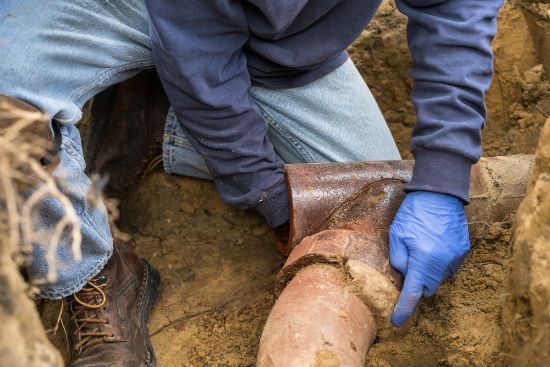




DRAIN CLEANING SERVICE OVERVIEW
Marietta properties include homes and commercial spaces with different fixture layouts, drain-run lengths, and pipe materials. A cable may quickly restore a localized branch drain, while a repeat clog can justify a camera inspection before anyone assumes the obstruction is the whole problem.
Superior Plumbing first separates a grease-packed kitchen line or compact fixture clog from a restriction affecting multiple drains. That diagnosis controls exposure, protects older cast-iron or clay piping from the wrong approach, and helps the technician clear the actual flow path instead of guessing from the fixture where water appeared.
QUICK ISSUE SORTER
Choose the closest description that matches what you're experiencing. You will get a practical first step while Superior Plumbing determines whether the restriction is close to one fixture or farther down a shared drain.
WHAT TO EXPECT
The goal is not simply to make standing water disappear. The technician should identify the affected run, protect the pipe and surrounding finishes, and leave you knowing which fixtures can return to use.
Fixture order, gurgling, odor, and where water reappears help distinguish a trap or branch clog from a deeper shared-drain restriction.
Cable size, cutting head, access point, and cleaning pressure must respect brittle clay, rough cast iron, fixture components, and the type of material in the line.
Connected fixtures are tested in a controlled order. You should know what can be used again, what needs to stay off, and which repeat symptom would justify a camera check.
PROBLEMS BEHIND THE SYMPTOM
A single sink, tub, or shower that stops while nearby fixtures drain normally often points to a compact clog in that fixture's branch. Properly sized cable equipment can break through and retrieve the obstruction without treating the entire building drain.
Roots entering a vulnerable joint can catch paper and solids until several fixtures begin to gurgle or drain slowly. Cutting an opening restores flow, but the location and likelihood of regrowth should be explained.
Repeated clogs after prior clearing are evidence that something may still be narrowing or deforming the pipe. A camera can reveal retained buildup, roots, rough walls, offsets, or a poor-flow section that a cable alone cannot identify.
Cooking grease cools against the pipe wall and traps starch, food particles, soap film, and disposal waste. The result may begin as a slow basin, then turn into standing water or a backup when the dishwasher discharges.
Rough cast-iron interiors collect scale and debris, while aging clay joints can admit roots or shift out of alignment. Clearing must account for brittle material and the reason waste keeps catching in the same place.
Restaurant sinks, prep areas, floor drains, and busy restrooms receive heavier loads than residential fixtures. Service should isolate the affected run, limit disruption, and verify drainage under realistic use before the area reopens.
Scrubbing a stopper may mask an odor without correcting trapped organic buildup, a dry trap, poor flow, or material lodged deeper in the branch. Where and when the smell appears helps direct the inspection.
Caustic products can generate heat, attack finishes and seals, remain trapped above a clog, and expose anyone who later opens the drain. They also do not remove roots or correct a rough, offset, or deteriorated pipe.
WARNING SIGNS
Reopening the line for a few days is not a complete result. The recurring point may involve roots, grease coating, heavy scale, an offset, or a rough section of aging pipe. A camera review can show why material keeps collecting before another clearing is chosen.
Call 770-422-7586FOLLOW THE WATER, NOT THE GUESS
Water often appears at the lowest available opening even when the restriction sits farther down a shared branch or main drain. Odor, gurgling, the order in which fixtures react, and any moisture at a cabinet, wall, or ceiling help separate a drain blockage from a leaking connection or another plumbing issue.
Controlled testing shows whether the symptom belongs to one trap, one branch, or a drain shared by several fixtures.
Wet cabinets, ceilings, wall surfaces, flooring, shutoff valves, and nearby equipment are noted so unsafe areas are not returned to use casually.
The safest workable opening is selected for cable clearing or camera inspection without dismantling fixtures that are not causing the restriction.
PROCESS
Each step reduces exposure, narrows down the affected piping, and confirms what can return to service after the obstruction is cleared.
Protect from wet electrical areas, slippery floors, soaked ceilings, and contaminated water. Stop the fixtures feeding the blocked path.
The technician maps which sinks, toilets, tubs, floor drains, or commercial fixtures react and where their drain paths connect.
Accessible traps and openings are checked, nearby shutoff valves are identified, and fragile fixtures or finishes are protected before equipment is used.
A localized obstruction may need cable clearing; roots or a returning clog may need a cutting head and camera evidence to show what remains.
Connected fixtures are run in a controlled order, affected rooms are reviewed, and you are told which drains, valves, or equipment can resume use.
MORE THAN ONE FIXTURE
One stopped basin may be localized. Water rising in another fixture, multiple slow drains, or repeated root debris points toward a shared line or main-drain restriction. Continuing to run water can turn that distinction into damaged flooring, cabinets, or a contaminated room.
RIGHT-SIZED CORRECTION
Superior Plumbing separates a compact clog that can be reached directly from a broader restriction involving roots, heavy buildup, older piping, or several connected fixtures.
Unsure whether this is one fixture or a shared drain? Call 770-422-7586 and describe which fixture starts the problem and where water or odor appears next.
LOCAL CONTEXT
Drain behavior changes with the building layout, pipe material, access, and daily use. A busy Marietta restaurant kitchen can overwhelm a grease-narrowed branch, while a home with mature landscaping or older cast iron may experience a clog that returns in the same place.
Those symptoms should not receive the same automatic treatment. Superior Plumbing compares the affected fixtures, selects an access point that protects the property, clears the restriction, and verifies whether the result holds under controlled flow.
PROTECT, TEST, THEN REOPEN
A cable coming back clean does not automatically mean every connected fixture or affected room is ready. Superior Plumbing has served Metro Atlanta since 1988, and that experience shows in the final checks: controlled fixture testing, observation at nearby drains, and a plain explanation of what can be used again.
If a backup reached cabinets, flooring, a water heater area, shutoff valves, or anything electrical, the technician can identify the plumbing status and explain which areas should remain out of use until moisture, contamination, or electrical concerns are properly addressed.
RELATED DRAIN SERVICES
The fixture that shows the symptom helps direct the next step. These unlinked service cards explain the types of drain work commonly considered after the affected run is identified.
Clear localized clogs, roots, grease buildup, recurring restrictions, and slow shared drains with a method suited to the pipe.
Current ServiceRemove grease, food particles, soap film, and disposal waste that restrict sink and dishwasher drainage.
Clear hair, soap residue, paper, and fixture-level buildup affecting sinks, tubs, showers, and toilets.
Restore flow in high-use kitchen, restroom, prep-area, and floor drains while limiting business disruption.
Inspect recurring clog locations for roots, rough pipe walls, offsets, retained buildup, and other flow restrictions.
Clear toilet stoppages and check connected fixtures when plunging does not hold or another drain reacts.
Address disposal jams, poor kitchen-sink drainage, trapped food waste, and connections that leak during use.
FAQs
Cable clearing often fits a localized blockage affecting one sink, tub, shower, or toilet while nearby fixtures drain normally. The technician still needs to choose the access point and cable head based on the obstruction and pipe material. Call 770-422-7586 to describe which fixture is stopped and whether any other drain reacts.
Roots can enter a vulnerable joint or gap and create a screen that catches paper and solids. As the restriction grows, lower fixtures may gurgle, lose flow, or receive wastewater when another fixture drains. Mechanical cutting can reopen the path, but recurring roots may justify camera inspection.
A camera is useful after the line has enough flow for a meaningful view and the same problem keeps returning. It can show roots, retained grease, cast-iron scale, separated clay joints, offsets, or a section where material repeatedly collects.
Removing the water does not remove grease and food buildup coating the branch drain. Avoid running the dishwasher or disposal, do not add chemical cleaner, and note whether the opposite basin or another nearby fixture rises during use.
Yes. Cast iron can have heavy internal scale and clay can be brittle or vulnerable at its joints. Equipment, cutting heads, access, and testing should be chosen with that condition in mind rather than forcing an aggressive tool through an unknown line.
Caustic cleaner can stay trapped above a complete blockage, damage some finishes and seals, and create a splash or burn hazard when the drain is opened. Tell the technician if a product has already been used. In a commercial kitchen or restroom, keep the fixture out of service so employees or customers are not exposed.