Trace The Fixture Reactions
Running controlled amounts of water and watching connected fixtures helps show whether the trouble is at one trap, within a shared branch, or farther along the drain path.

Don't Wait Till Its Too Late...Call The Honest Plumber!
Roswell, GA Drain Cleaning
A drain odor that returns after cleaning, a toilet that clogs again after plunging, or several fixtures slowing together points to a problem below the surface. Superior Plumbing provides drain cleaning in Roswell for grease-packed kitchen lines, recurring blockages, root-restricted main drains, and rough older piping that keeps catching waste.
Superior Plumbing helps Roswell property owners find out why a drain keeps failing before recommending how it should be cleared.




ROSWELL DRAIN CLEANING OVERVIEW
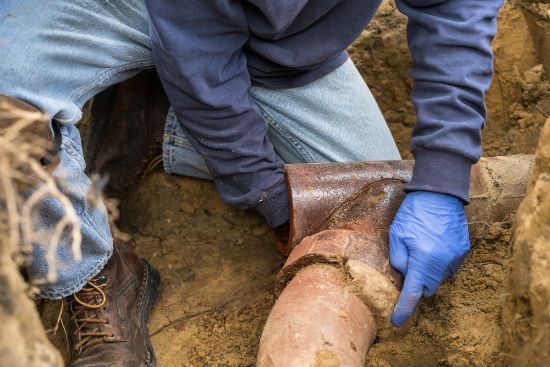
Roswell includes established homes with mature landscaping as well as newer plumbing layouts. Depending on the property, a recurring clog may involve grease inside a kitchen branch, roots reaching an older buried drain, rough cast-iron walls, separated clay joints, or a local blockage near one fixture.
The first job is to control the mess and read the pattern. Which opening slows first? Does flushing a toilet change the water level in a tub? Does an odor remain after the visible drain is cleaned? Those details help separate a trap-level problem from a shared branch or main-drain restriction before equipment is chosen.
QUICK ISSUE SORTER
Choose the closest description that matches what you're experiencing. The result gives you a safe next move while a technician determines where the restriction actually sits.
WHAT TO EXPECT
A technician should protect the work area, determine how far the problem reaches, and explain why the chosen clearing method fits the pipe. That keeps a local clog from being treated like a whole-system problem and keeps a repeated pattern from being dismissed as a one-time nuisance.
Running controlled amounts of water and watching connected fixtures helps show whether the trouble is at one trap, within a shared branch, or farther along the drain path.
Floor protection, careful equipment placement, and limited water testing reduce the chance that an already messy backup spreads into cabinets, flooring, or adjacent rooms.
A one-fixture blockage may need a focused clearing. Repeated clogs, root fragments, rough pipe walls, or several reacting fixtures justify a broader correction and a clear explanation of why.
ROSWELL DRAIN PATTERNS
A wiped drain opening may smell clean for a day while biofilm, trapped debris, a dry trap, or an airflow problem below it continues producing the odor.
Footage from inside an accessible drain can reveal roots, heavy deposits, offsets, or damaged areas that ordinary clearing cannot identify from the fixture alone.
Roots can enter through vulnerable joints and create a net that catches paper and waste. Flow may improve after clearing, then tighten again as roots continue growing.
Rough cast-iron interiors and aging clay joints give grease, paper, and solids more places to hang up, which can make a recently opened line slow down again.
A plunger can move enough material to let water pass without removing what is lodged deeper. The next flush may push paper and waste into the same narrowed spot.
The number and location of affected fixtures help locate the clog. One slow sink often points nearby; several slow drains suggest a shared path needs attention.
Cooking oil, sauces, starches, soap film, and disposal residue cool against the pipe wall, building a sticky layer that traps each new load of food particles.
Repeated trouble may come from material still caught in the toilet trapway, an object farther down the branch, or restricted flow where that fixture joins the larger drain.
WARNING SIGNS
If wastewater rises in a tub, sink, or around a toilet, adding more water only increases what can spill. Pause the connected fixtures, keep people away from the wet area, and note which action triggered the backup for the technician.
Call 770-422-7586DIAGNOSIS BEFORE CLEARING
Water appears at the easiest opening, not necessarily at the obstruction. An overflowing toilet can be restricted in its trapway or farther along the branch. A kitchen odor can come from residue near the opening, a dry trap, or buildup deeper inside. Superior Plumbing follows the fixture clues before deciding where and how to clear.
Controlled testing shows whether nearby drains stay quiet, gurgle, lose water, or receive backup when another fixture is used.
A camera may be appropriate after repeat clogs or root removal to look for rough walls, heavy deposits, joint gaps, offsets, or damaged pipe.
The cleared path is tested with enough water to verify movement, watch connected fixtures, and make sure the original symptom does not immediately return.
RESPONSE PROCESS
Each step has a separate purpose: protect the home, identify how much of the drain system is involved, clear the actual restriction, and prove the fixtures are usable again.
Protect from wet electrical areas, slippery floors, soaked ceilings, and contaminated water. Water use is limited before the affected space is inspected.
The technician separates a single-fixture restriction from a shared branch or main-drain problem by comparing locations and reactions.
Toilets, sinks, tubs, traps, and accessible cleanouts are reviewed so equipment reaches the clog without unnecessary disturbance.
Grease buildup, a lodged object, roots, rough pipe walls, and a recurring blockage do not call for the same tool or the same amount of work.
Water is run through the affected route, connected fixtures are watched, and the homeowner is told what can be used again and what may need follow-up.
SHARED-DRAIN WARNING
One slow sink usually stays local to that fixture or branch. Several slow openings, cross-fixture gurgling, recurring odors, or wastewater rising at the lowest drain indicate that more of the shared drainage path may be restricted.
SCOPE THE CORRECTION
The scope should follow the evidence. A localized clog does not justify broad work, but repeated symptoms across connected fixtures should not be treated as a simple trap blockage.
Unsure how far the restriction reaches? Call 770-422-7586 and describe which fixtures react together, how often the clog returns, and whether an odor is present.
ROSWELL JUDGMENT
Roswell's mix of established and newer properties means the same symptom can come from very different drain conditions. Mature landscaping may place roots near buried runs, while an updated kitchen or bathroom can still connect to an older cast-iron or clay branch elsewhere in the home.
That is why pipe material, fixture location, service history, and connected-drain behavior matter. The practical goal is to restore dependable flow and tell the homeowner whether the obstruction looks isolated, likely to return, or worth documenting with a camera.
BEFORE THE RECOMMENDATION
Before recommending a targeted clearing or a larger drain-cleaning correction, the technician reviews what changed, which fixtures react, how water moves through the connected route, and whether previous attempts produced lasting relief.
That front-end work protects the homeowner from paying for a broad response to a small clog—or accepting another temporary opening when roots, rough pipe walls, or repeated buildup are clearly involved. Superior Plumbing brings decades of Metro Atlanta plumbing experience to that judgment, but the recommendation still has to fit what the drain shows on this visit.
RELATED DRAIN AND FIXTURE HELP
A drain complaint can begin at the fixture, the disposal, the toilet trapway, or a shared branch. These service categories help separate the current drain-cleaning need from other plumbing work that may explain the symptom.
Clear blocked sinks, tubs, showers, toilets, shared branches, grease-heavy kitchen drains, and root-restricted main drains with a diagnosis matched to the symptom.
Current ServiceAddress jammed, humming, leaking, or slow-draining disposals that leave food waste sitting in the kitchen sink path.
Document roots, deposits, offsets, and questionable pipe conditions when clogs keep returning after ordinary clearing.
Get service for leaking tanks, cold water, rumbling units, ignition issues, and failing components.
Clear toilets that overflow, refill strangely, gurgle, or point toward a deeper drain obstruction.
Investigate unexplained moisture, cabinet damage, wall stains, and water use that does not fit a drain blockage.
Repair leaking faucets, dripping fixtures, worn cartridges, loose handles, and failing shutoff valves.
FAQs
Surface cleaning removes what you can reach, but odor-producing biofilm, food residue, a dry trap, or restricted airflow may remain below the opening. Note whether the smell changes after water runs and whether nearby fixtures have the same odor. Call 770-422-7586 to schedule a Roswell drain evaluation.
A camera is most useful when the blockage returns after proper clearing, roots are retrieved, pipe damage is suspected, or the technician needs to document what is narrowing the line. It is not automatically necessary for every simple fixture clog.
Yes. Small root growth can reduce the usable opening and catch paper or waste while some water still passes. Slow recovery, gurgling, and repeated blockages may appear before wastewater returns through a fixture.
Aging cast iron can develop a rough, scaled interior, while clay piping may have vulnerable joints or offsets. Those surfaces catch grease, paper, and solids more easily than a smooth, open drain, so simply creating a small passage may not provide lasting flow.
Plunging may shift the blockage without removing it, or the restriction may sit beyond the toilet's built-in trapway. If the bowl rises again after the next few flushes, stop repeating the test and have the toilet and connected branch checked.
One affected fixture with normal drainage everywhere else usually points closer to that opening. Several slow fixtures, cross-fixture gurgling, or water appearing in a nearby tub suggests the shared route deserves attention.
Oils, sauces, dairy fats, starches, soap film, and small disposal particles cool and cling to the pipe wall. Scraping plates into the trash and keeping liquid grease out of the sink reduces new buildup, but it will not remove a restriction already inside the branch.
No. Chemical drain products may remain in the bowl or line, create a splash hazard, and still fail to remove an object or deeper restriction. Stop repeated flushing, tell the technician what product was used, and keep people away if the bowl is close to overflowing.