Trace The Shared Route
Running controlled amounts of water at selected fixtures shows whether the restriction is local, downstream of two fixtures, or affecting an entire bathroom group.

Don't Wait Till Its Too Late...Call The Honest Plumber!
Suwanee, GA Drain Cleaning
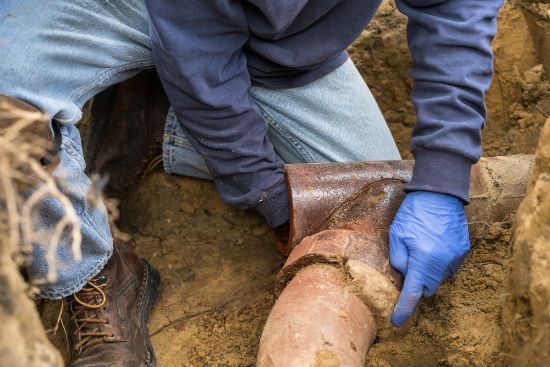
One slow sink may be a local clog. Two nearby fixtures slowing together, toilet bubbles, or several bathrooms reacting at once point farther down the drain path. Superior Plumbing traces the pattern in Suwanee homes, clears food debris, hair, soap buildup, and shared branch-line blockages, then tests connected fixtures before normal use resumes.
Superior Plumbing helps Suwanee homeowners figure out whether a slowdown begins at one fixture, a kitchen drain, or a branch shared by several fixtures—without relying on corrosive chemical cleaners or guesswork.




SUWANEE DRAIN CLEANING OVERVIEW
Suwanee homes can have kitchen, laundry, and bathroom fixtures feeding the same branch at different points. That layout makes the symptom pattern useful: one slow drain usually suggests a nearby restriction, while several fixtures changing together moves the search farther along the shared path.
Superior Plumbing checks what drains slowly, what causes the gurgle, and where water reappears before selecting access and equipment. That keeps a disposal jam, hair-packed tub drain, and shared branch-line clog from being treated as though they were the same problem.
QUICK ISSUE SORTER
Choose the closest description that matches what you're experiencing. The next step depends on whether the slowdown stays at one fixture, follows a kitchen habit, or appears across a shared branch.
WHAT HAPPENS ON THE VISIT
The visible slowdown is only the starting point. The technician follows how nearby fixtures share piping, protects the work area, and verifies the full route after the obstruction is cleared.
Running controlled amounts of water at selected fixtures shows whether the restriction is local, downstream of two fixtures, or affecting an entire bathroom group.
Cabinets are opened carefully, drain access is chosen with surrounding finishes in mind, and backed-up water is contained before clearing begins.
The original fixture is not the only checkpoint. Connected sinks, tubs, showers, and toilets are tested so a partial opening does not pass as a completed job.
FIXTURE CLUES AND COMMON BLOCKAGES
A restriction after two fixture connections can slow a sink and nearby tub together. That paired reaction helps distinguish a shared branch clog from two unrelated stopper problems.
Potato peels, eggshell fragments, grease, and other disposal waste can settle beyond the grinding chamber, leaving the appliance spinning while the kitchen drain barely moves.
Clearing is not complete just because one basin empties. Every connected fixture should be run in a controlled sequence to confirm the shared path carries normal flow.
Two bathroom groups changing at roughly the same time moves the likely restriction beyond an individual trap. Continuing to run water may send it back through a lower fixture.
One sink that drains slowly while everything else works points close to that fixture. Several slow openings reveal a broader flow problem and change where the technician starts.
Coffee grounds clump with grease, rice and pasta swell, and celery or onion fibers catch other debris. A disposal does not make these materials safe for the drain.
Hair wraps around strainers and cable-like buildup forms deeper in tub and shower drains as soap film binds it together. Removing only the visible wad may leave the slower layer behind.
Air movement through a toilet bowl or drain opening means flowing water is pushing past a restriction. Note which fixture was running when the sound or bubbles appeared.
WARNING SIGNS
A plunger may move a soft blockage just far enough for water to pass, then the slowdown returns. Track which fixtures react together and what was running at the time; those clues are more useful than another round of force or chemicals.
Call 770-422-7586DIAGNOSIS BEFORE CLEARING
Water follows the easiest open path. A kitchen restriction can show up as standing water in the second bowl, while a shared bathroom blockage may announce itself through toilet bubbles, gurgling, or a tub that rises when the sink drains. The reaction chain matters more than the location of the mess alone.
Controlled fixture checks show what happens first, what reacts second, and which openings stay unaffected.
Food solids, grease, hair, and soap buildup behave differently. The access point and clearing method should fit the material and the section of piping involved.
Each connected fixture is run long enough to verify drainage speed, quiet airflow, and no water returning through a neighboring opening.
PROCESS
Each step narrows the affected route, limits unnecessary mess, and confirms that the result holds across the fixtures that share the line.
Protect from wet electrical areas, slippery floors, soaked ceilings, and contaminated water. Stop adding water where it can return through another opening.
The technician checks affected fixtures, nearby traps and shutoffs, and the order in which drains react to locate the shared route.
Access is selected to reach the likely restriction while protecting cabinets, flooring, fixture finishes, and nearby belongings.
Hair and soap, disposal debris, grease-bound food, and a broader branch blockage do not call for identical tools or working depth.
Connected fixtures are retested for drainage speed, gurgling, toilet bubbles, and cross-fixture water movement before the result is explained.
SEVERE SYMPTOMS
A stopper full of hair usually affects one opening. A restriction farther along a shared branch can make several fixtures slow, gurgle, or exchange water. That broader pattern deserves prompt attention because every new gallon can add pressure behind the blockage.
REPAIR DECISION
Superior Plumbing separates a clog close to one fixture from buildup or blockage affecting a longer shared run. The fixture pattern, material involved, and results of prior clearing attempts guide that decision.
Unsure how far the restriction reaches? Call 770-422-7586 and describe which fixtures react together and what was running when the symptom appeared.
LOCAL CONTEXT
Suwanee includes homes with different ages, floor plans, and fixture groupings, so a city name alone does not explain a clog. The useful evidence comes from the property itself: whether one drain or several changed, which fixtures share a wall or bathroom group, and whether disposal use or shower flow triggers a reaction elsewhere.
That evidence helps keep a simple stopper-level problem from being overworked and prevents a shared branch restriction from being mistaken for two separate clogs. The line should be cleared at the right point and tested through every connected fixture that helped reveal the problem.
CALL ANSWERING 24/7/365
Superior Plumbing answers calls 24 hours a day, 7 days a week, 365 days a year. That means a Suwanee homeowner can report an active drain problem when it happens instead of waiting to describe it after the symptom has changed.
A useful call starts with specifics: which fixtures are involved, what action triggers the gurgle or backup, where water returns, how quickly it rises, and whether any chemical cleaner has already been used. Those facts help the team understand the immediate risk and prepare for the likely drain path.
RELATED DRAIN SERVICES
The fixture and blockage material determine the useful service path. These options stay focused on clearing, diagnosing, and reducing repeat drain problems.
Diagnose one-fixture slowdowns, shared branch clogs, disposal debris, bathroom buildup, gurgling, and cross-fixture backups.
Current ServiceRemove grease-bound food, disposal debris, coffee grounds, starch, and fibrous waste from kitchen drain piping.
Clear hair, soap scum, grooming residue, and buildup that slows sinks, tubs, and showers.
Diagnose disposal jams, poor grinding, trapped debris, and kitchen drainage that remains slow after the chamber is empty.
Address recurring bowl clogs and toilet bubbles while checking whether nearby bathroom fixtures share the restriction.
Inspect recurring or hard-to-locate restrictions when fixture testing suggests more than removable surface buildup.
Plan practical cleaning and disposal habits for frequently used kitchens and multi-bath households with repeat buildup.
FAQs
Two fixtures changing together often share piping downstream of their individual traps. The restriction may sit after those connections, so cleaning only the sink stopper or tub strainer may not reach it. Call 770-422-7586 and describe which fixture slows first and what makes the other react.
Yes. The motor and grinding plate can operate while food debris, grease, or starch is packed in the drain beyond the disposal. A spinning unit does not prove that the connected piping is open.
One fixture may drain through a narrow opening even though buildup remains farther down the shared route. Running connected fixtures in sequence confirms normal speed, quiet airflow, and no water returning through another opening.
The likely problem moves beyond one sink trap or shower stopper. Pause use of the affected bathroom fixtures and note whether a toilet bubbles or a lower tub receives water when another fixture drains.
Check nearby fixtures without repeatedly flooding the slow one. If every other sink, tub, shower, and toilet drains normally, the restriction may be local. Gurgling, bubbles, or water movement at a second fixture points toward shared piping.
Grounds bind with grease, rice and pasta absorb water and expand, and vegetable fibers tangle around other debris. Grinding changes the size of this waste, but it does not prevent accumulation in the drain.
Hair catches on the strainer and rough surfaces while soap residue binds the strands into a denser mass. Cleaning the visible stopper helps, but a recurring slowdown may mean the buildup extends deeper into the fixture arm or shared bathroom branch.
Water moving past a restriction can displace air through another connected opening. Note what was draining when the sound or bubbles started, stop repeated testing if water rises, and share that sequence when you call Superior Plumbing.