
Track What Reacts Together
The technician compares the toilet, sink, tub, shower, and nearby appliances to learn whether the restriction is local or shared.


Don't Wait Till Its Too Late...Call The Honest Plumber!
Woodstock, GA Drain Cleaning
A plunger may restore flow for an hour without removing the obstruction that keeps catching waste. Superior Plumbing traces repeat toilet clogs, slow long-run drains, mineral scale, roots, coffee grounds, starches, fibrous food, hair, and soap buildup—and uses camera evidence when a recurring blockage needs a clearer explanation.
Superior Plumbing helps Woodstock property owners determine why a clog keeps returning, choose the right access point, and restore dependable flow without treating every slow drain as the same problem.
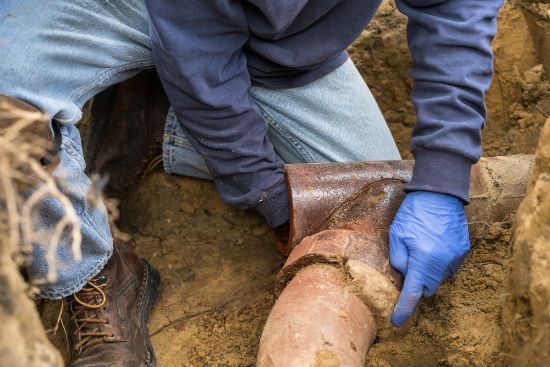




WOODSTOCK DRAIN CLEANING OVERVIEW
Woodstock homes do not all route wastewater the same way. A nearby bathroom may have a short branch, while a kitchen, laundry area, or distant bath can feed a longer run where food residue, hair, soap, and mineral deposits have more pipe surface to collect on.
Before guessing at the correction, stop using any fixture that makes water rise elsewhere and note which drains react together. That pattern helps separate a local trap or toilet obstruction from a deeper branch or main-drain blockage, limiting overflow while the actual restriction is located.
QUICK DRAIN ISSUE SORTER
Choose the closest description that matches what you're experiencing. The next step depends on whether one fixture is affected, the clog returned after plunging, or several drains are reacting together.
WHAT HAPPENS ON THE CALL
A useful drain-cleaning visit connects the fixture symptoms to the pipe route, protects finished surfaces around the work area, and proves the line can carry water after the obstruction is removed.
The technician compares the toilet, sink, tub, shower, and nearby appliances to learn whether the restriction is local or shared.
Fixture openings, traps, and available cleanouts are considered so equipment reaches the blockage without unnecessary removal or mess.
Controlled water tests show whether the line stays open under normal flow and whether another connected fixture still produces a symptom.
WOODSTOCK CLOG PATTERNS
A plunger may move enough water to make the fixture usable, yet leave a dense ring of waste in place. The quick return is the clue that the opening was never fully restored.
A clog that comes back in the same location can justify a camera look after flow is restored. The view may reveal a recurring catch point, heavy scale, roots, or a damaged section that ordinary clearing cannot explain.
Toilet water that rises again, drains in stages, or makes a nearby tub gurgle may involve more than material caught in the bowl. Repeated flushing can push the overflow onto the floor.
Distant kitchens, laundry areas, and bathrooms can send waste through long horizontal runs. Lower velocity and repeated buildup allow solids to settle before they reach the larger drain.
As mineral deposits and corrosion make the inside wall uneven, paper, hair, grease, and food particles have more places to snag. The usable pipe opening becomes smaller even before it closes completely.
Mechanical rooter equipment can reach deeper restrictions that a fixture plunger cannot. Tool size and access must match the line so roots or packed waste are cut and retrieved without blind force.
Coffee grounds do not dissolve, rice and pasta swell, and celery or onion fibers can wrap around existing residue. Together they create a sticky kitchen-drain mass that a disposal cannot safely erase.
Hair binds with bar soap, conditioner, shaving residue, and mineral film below the stopper. Removing the visible clump helps, but slow flow can continue when the packed material extends farther into the branch.
SIGNS THE OPENING IS NARROWING
The timing and fixtures involved matter. A toilet that reclogs alone points to a different access path than a toilet that makes the tub rise, while a kitchen line that slows after starchy waste suggests a different buildup than a root-restricted main drain.
Call 770-422-7586READ THE WHOLE SYMPTOM PATTERN
A slow sink can be restricted at its trap, farther along a shared branch, or at the main drain. Odor may come from trapped waste or a dry seal rather than the visible opening. Hidden moisture near a shutoff, a damp wall, or a ceiling stain can point away from a simple clog, so the technician compares drain behavior with moisture and fixture clues before choosing equipment.
Which drain reacts first—and what was running at the time—helps trace the likely path of the restriction.
Backups, odors, cabinet dampness, wall marks, and shutoff-area moisture are documented so unrelated symptoms are not forced into one diagnosis.
Rooter work or camera inspection is chosen for a reason, with access, pipe condition, and repeat history guiding the next step.
FROM BACKUP TO VERIFIED FLOW
Each step reduces exposure, identifies the drain run involved, and confirms what can safely return to normal use.
Protect from wet electrical areas, slippery floors, soaked ceilings, and contaminated water. Stop using any fixture that makes the backup rise.
The team checks which fixtures feed the affected run, what reacts together, and whether valves or nearby equipment sit in the wet area.
An available cleanout, fixture opening, or trap is selected to reach the restriction while limiting disruption around cabinets, floors, and finished rooms.
Hair, food solids, mineral scale, roots, and a recurring catch point require different clearing tactics; camera evidence may be used when the clog keeps returning.
The affected drain and connected fixtures are tested under controlled flow, and you are told which fixtures, valves, heater area, or moisture-affected rooms can resume use.
BEYOND ONE FIXTURE
One sluggish stopper is usually localized. Multiple reactions, repeat overflow, or wastewater at the lowest opening suggests the blockage sits farther along the shared drain path.
MATCH THE SCOPE TO THE FINDINGS
Superior Plumbing separates a localized obstruction from a deeper, recurring condition by using fixture patterns, access, clearing results, and camera evidence when it adds real value.
Not sure how far the restriction extends? Call 770-422-7586 and describe which fixtures react, how long relief lasts, and where water appears.
WOODSTOCK DRAIN JUDGMENT
Woodstock properties vary in age, layout, pipe material, and distance between fixtures. A distant bathroom or kitchen can create a long run where debris settles; rough older pipe can hold scale; and mature roots may reach buried drain joints. None of those causes should be assumed from the address alone.
The useful local judgment comes from matching what the home is doing now—where flow slows, which fixture reacts, whether plunging helped, and how quickly the blockage returned—to the actual drain route and access available on the property.
SAFE-USE CONFIRMATION
Since 1988, Superior Plumbing has helped Metro Atlanta homeowners make careful decisions around active plumbing problems. For drain cleaning, that means controlling the affected fixtures, restoring flow, and checking the connections that could send water back toward the stopped line.
Before normal use resumes, you should know what was tested and what was not. If moisture reached a cabinet, utility space, heater area, shutoff valve, wall, ceiling, or finished room, the technician can explain which fixtures and drains are ready, which areas need drying, and where separate evaluation may still be appropriate.
DRAIN HELP BY SYMPTOM
The right service description depends on where the slowdown starts, whether it returns, and which fixtures share the affected drain.
Clear slow or blocked fixture, branch, and main drains after identifying the symptom pattern and safest access point.
Current ServiceInvestigate blockages that return after plunging or prior clearing instead of repeating the same short-lived attempt.
View an accessible drain after flow is restored when repeated clogs need evidence of roots, scale, or another catch point.
Address bowls that rise, drain in stages, or clog again after plunging, with nearby fixtures checked for shared symptoms.
Remove accumulated coffee grounds, swollen starch, fibrous food, grease, and soap residue from a slow kitchen run.
Reach hair and soap buildup that remains below the stopper and continues to leave standing water in the bathing area.
Use properly sized mechanical equipment for stubborn branch or main-drain restrictions that cannot be resolved at the fixture.
WOODSTOCK DRAIN CLEANING QUESTIONS
A plunger can move the soft center of a blockage while leaving material attached to the pipe wall. If the drain slows again soon, the line may still hold hair, food residue, scale, roots, or a deeper obstruction that needs professional access.
A camera is most useful after enough flow is restored to see the pipe. It can help identify a repeat catch point, roots, heavy scale, an offset, or visible damage when the same location keeps clogging and ordinary clearing has not explained why.
Do not keep flushing if the bowl rises or drains slowly. Check whether a nearby tub or sink gurgles, keep people away from a wet floor, and call for help with the fixture pattern. That reaction helps distinguish a toilet-only obstruction from a shared drain problem.
A long horizontal path gives grease, soap, grit, and food particles more distance to settle, especially where the inside of the pipe is already rough. The line may need a deeper access point than the fixture opening to remove the material holding back flow.
Yes. Scale and corrosion create a rougher, narrower passage that catches paper, hair, grease, and food waste. Clearing the soft blockage can restore flow, but recurring symptoms may continue if the scaled section remains a strong catch point.
Rooter equipment uses a rotating cable and correctly sized cutting or retrieving head to work through packed waste or root growth. The technician should match the tool to the access, pipe size, and condition, then test the drain under normal flow.
Coffee grounds collect rather than dissolve, rice and pasta absorb water and expand, and stringy vegetable fibers can wrap around residue. Scrape those foods into the trash or compost instead of relying on the disposal to send them through the line.
Use a removable hair screen, clear it often, and remove visible residue from the stopper. Avoid pouring harsh chemicals into standing water. If the drain remains slow after the accessible buildup is removed, material may be packed farther into the branch.