Slow Drains in Alpharetta, GA: What the Warning Signs Are Actually Telling You
A slow drain that responds to a bottle of chemical cleaner for a week and then slows again is not a solved problem. It is the same problem with a short delay. In Alpharetta and across North Fulton County, the recurring slow drain is one of the most common residential plumbing complaints, and it almost always means the underlying cause was never actually addressed, just temporarily reduced enough to pass water through.
The difference between a drain that was cleared and a drain that was cleaned is more significant than most homeowners realize. A cleared drain has a path through the obstruction. A cleaned drain has an obstruction-free interior from the fixture to the main line. The first approach produces a callback in weeks. The second produces lasting results. Superior Plumbing has served Metro Atlanta since 1988 and handles drain cleaning for residential and commercial properties throughout the area with that distinction at the center of every service call.
Here is how to read what your drain system is actually telling you, and how to determine whether the situation warrants professional service or can be managed with basic maintenance.
One Slow Drain vs. Multiple Slow Drains: Why the Distinction Matters
A single slow fixture, one bathroom sink draining slowly while everything else in the home works normally, almost always points to a localized blockage in the trap or the first few feet of drain pipe serving that fixture. Hair, soap residue, and toothpaste accumulate at the p-trap and catch additional debris over time. Clearing the trap or the accessible drain arm usually resolves it, though the buildup tends to recur on a predictable timeline if the household habits that created it have not changed.
Multiple slow drains showing symptoms simultaneously is a completely different situation. The kitchen sink and a bathroom drain running slowly at the same time, or a toilet that gurgles when the washing machine drains, points toward the shared drain line that all those fixtures feed into downstream, not toward any individual fixture. When several drains are affected at the same time, the problem is in the line connecting them all, and fixture-level clearing will not resolve it because the clearing is being applied in the wrong location.
This distinction drives the difference between a service call that solves the problem and one that produces a repeat call within three weeks. The diagnostic process has to identify where in the system the blockage actually lives before any clearing method is applied.
Why Chemical Drain Cleaners Keep Failing
Chemical drain cleaners dissolve organic material in the accessible portion of pipe near the fixture. They work on fresh, localized clogs in the first few feet of the drain line when the blockage is primarily hair, grease, and soap buildup that has not yet hardened into a significant obstruction. That is a meaningful but genuinely limited range of application.
They do not reach deep blockages. They do not address root intrusion growing from joints in older clay tile drain lines. They do not break up grease that has cooled and hardened on pipe walls over months of normal kitchen use. And in older Alpharetta homes with cast iron drain lines, repeated use of caustic chemical cleaners accelerates interior corrosion and pitting that roughens the pipe surface, making it more effective at catching future debris rather than less.
If chemical treatment produces two or three weeks of normal drainage and then the problem returns to exactly where it was before, the cleaner is either not reaching the actual blockage location or is only dissolving the accessible surface of a partial obstruction that begins catching new debris immediately after the treatment. That pattern is a clear signal that professional diagnosis is the appropriate next step, not a second or third bottle of the same product.
What a Professional Drain Cleaning Actually Covers
Superior Plumbing's diagnostic process for drain calls starts by identifying where in the drain system the problem is actually located before any clearing equipment goes in. Visual inspection of accessible drain sections, flow testing across multiple fixtures to map the pattern of affected drains, and camera inspection where the cause is unclear all contribute to pinpointing the source accurately.
For localized fixture blockages, mechanical snaking breaks through or retrieves the obstruction efficiently. For drain lines with grease coating on the interior pipe walls, recurring blockages, or older cast iron systems where scale and biofilm have accumulated over years of use, hydro jetting uses high-pressure water to scour the pipe interior clean rather than just creating a path through the center of the blockage. The distinction matters because snaking a grease-coated pipe produces a clear path that narrows again as the remaining grease catches new debris. Jetting removes the grease from the wall and produces a genuinely clear pipe.
Camera confirmation after clearing shows the pipe condition clearly and identifies any structural issues, like cracks, offset joints, or pipe bellies where the line has settled, that the blockage may have been masking. A blocked drain sometimes conceals a pipe condition that needs attention independent of the clearing. Finding that during the service call rather than after the next backup saves the homeowner a repeat visit.
Grease and the Kitchen Drain: The Most Common Recurring Problem
For Alpharetta homeowners dealing with a recurring slow kitchen drain, grease-related buildup is the most common cause by a significant margin. Cooking grease enters the drain warm and in liquid form. Within a few feet of the fixture, it cools and begins adhering to the pipe wall. Over months of normal use, the layer builds up progressively, narrowing the effective pipe diameter. The drain flows adequately until it does not, at which point the household has been gradually approaching a blockage for weeks without any obvious warning sign.
Prevention is more practical than most homeowners assume. Hot water flushed down the kitchen drain after any grease-producing cooking pushes accumulated grease further along the line before it solidifies. Enzyme drain treatment products used monthly break down the organic material that builds up in drain lines without the corrosive effects of chemical cleaners. Neither approach eliminates the need for periodic professional cleaning, but both extend the interval significantly.
What to Do When the Basement or Floor Drain Backs Up
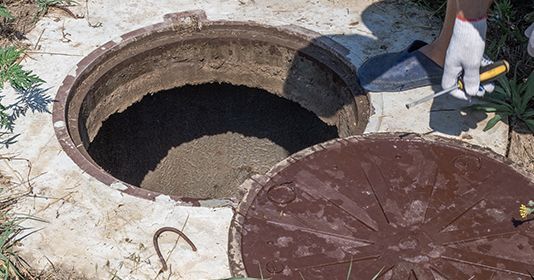
A floor drain or basement drain backing up is a different situation from a slow fixture drain and should be treated with more urgency. Floor drains are connected to the main drain stack near its base, which means backup at that level typically indicates a main line blockage rather than a localized fixture issue. If sewage or gray water is backing up at a floor drain, multiple other fixtures in the home are likely compromised or will be soon.
Do not attempt to clear a floor drain backup with household tools. The clearing needs to access the main drain line at the cleanout, which requires professional equipment and the knowledge to use it safely. Superior Plumbing handles these calls as priority situations because a main line backup creates health hazard conditions in the home that deteriorate with delay.
Superior Plumbing: Alpharetta and North Fulton County Drain Specialists
Superior Plumbing has served Metro Atlanta residential and commercial customers since 1988. Owned and operated by licensed master plumber Jay Cunningham. TrustDale certified with a $10,000 consumer guarantee. Google Guaranteed. Eight-time Best of Cobb winner. 24/7 answering. The team knows North Fulton County housing stock and the drain conditions that develop in local residential plumbing across different eras of construction. Visit the coupons page for current service discounts, or contact Superior Plumbing to schedule. Call 770-422-7586 any time.
Schedule a Drain Cleaning Assessment
Slow drains that keep coming back after treatment deserve a professional diagnosis. Contact Superior Plumbing to schedule. Call 770-422-7586 any time, day or night.
Frequently Asked Questions About Drain Cleaning
Why does my Alpharetta drain keep slowing down after I treat it?
Recurring slowdowns after chemical treatment mean the cleaner is not reaching the actual blockage, or a partial obstruction rebuilds quickly on a corroded pipe surface. It can also mean a bellied pipe section where debris pools. Professional diagnosis finds the cause rather than repeating surface-level treatment.
What is the difference between drain snaking and hydro jetting?
Snaking uses a mechanical cable to break through or retrieve a blockage. Jetting uses high-pressure water to scour the pipe interior wall clean. Snaking works for simple isolated blockages. Jetting is more thorough for grease-coated pipes, recurring blockages, and older drain systems with accumulated interior buildup.
How do I know if my drain problem is a main line issue?
Multiple fixtures draining slowly at the same time, gurgling from drains when a toilet flushes, or water backing up in a tub when the washing machine drains all point toward the main line rather than an individual fixture drain. These patterns require professional assessment rather than fixture-level clearing.
Does Superior Plumbing use camera inspection for drain problems?
Yes. Camera inspection is used when the cause is unclear, when the problem is recurring, or to confirm the drain is fully clear after cleaning. The camera identifies the exact type and location of the obstruction and confirms the result, which prevents unnecessary repeat service calls.
Is drain cleaning covered by homeowner insurance?
Drain cleaning for routine blockages is generally not covered since it is considered maintenance. Damage caused by a sudden unexpected drain failure may be covered depending on the specific policy. Superior Plumbing documents findings clearly to support any applicable insurance claim.
How often should drain lines be professionally cleaned?
Annually is reasonable for older homes or properties with recurring issues. Newer homes without recurring problems can go two to three years between professional cleanings. Homes with heavy tree coverage near drain lines benefit from more frequent inspection due to root intrusion risk in established North Fulton neighborhoods.