Trenchless vs. Traditional Sewer Repair: Which is Best for Dallas Homeowners?
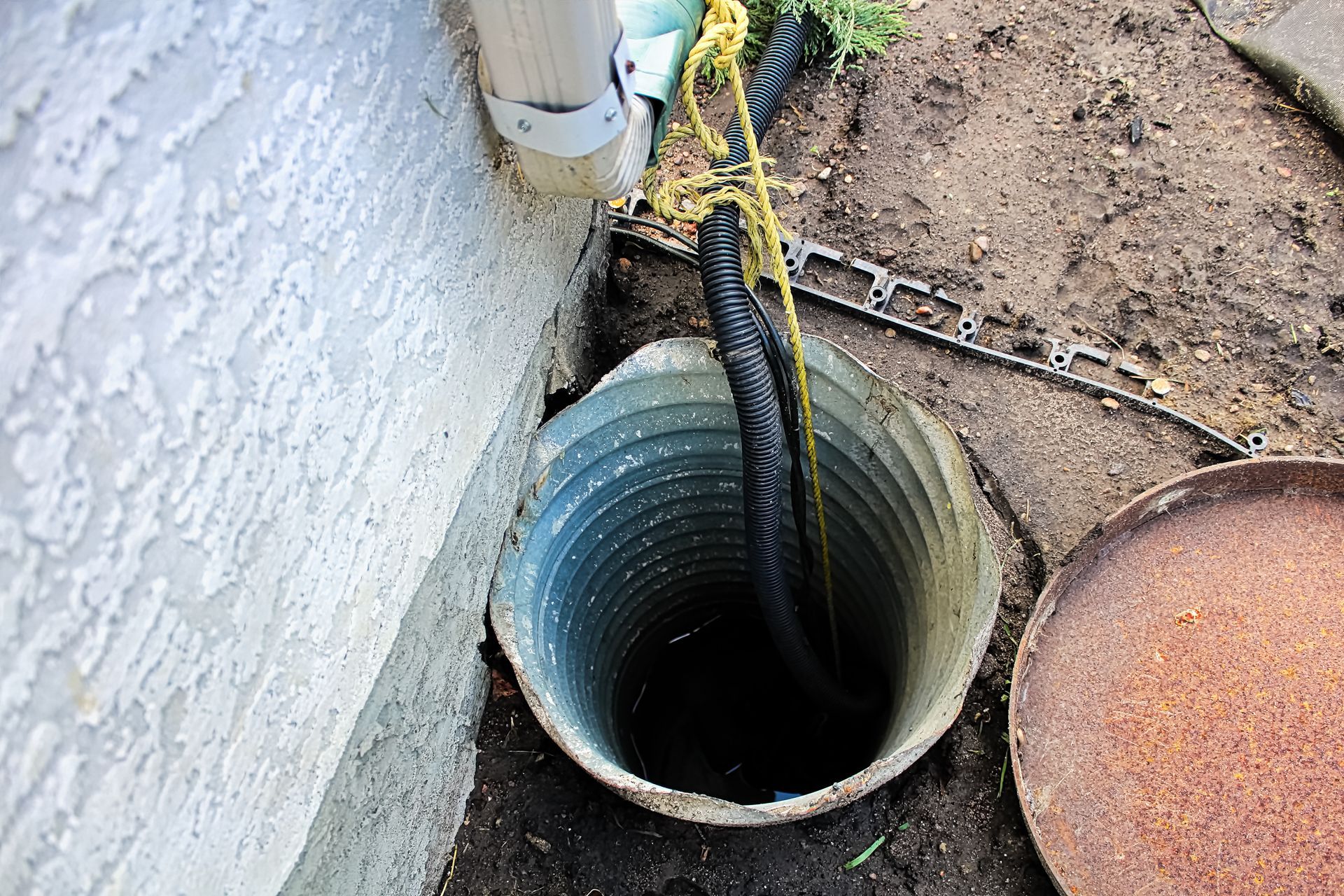
In the growing community of Dallas, GA, from the established neighborhoods near the Paulding County Courthouse to the newer developments along Hwy 120, homeowners are increasingly faced with a critical decision: how to handle a failing sewer line. Whether it is caused by the aggressive root systems of North Georgia’s native trees or the shifting expansion of our famous red clay soil, sewer line failure is a disruptive and expensive emergency.
Historically, the only solution was traditional excavation, which involved digging a massive trench across your yard. Today, sewer line repair in Dallas, GA often utilizes trenchless technology, a no-dig alternative that preserves your property. But is trenchless always the better choice for your specific project?
Traditional Excavation: The "Dig and Replace" Method
Traditional excavation is the classic approach where plumbers use heavy machinery to dig a trench along the entire length of your sewer line to physically remove and replace the damaged pipe. This is often the best choice for Dallas homes with fully collapsed pipes where there is no internal space left to insert a liner.
In Dallas, shifting clay soil can also cause pipes to sag or belly. Because a trenchless liner follows the shape of the existing pipe, it cannot correct these sags; excavation is required to re-grade the soil and restore the proper slope. While the plumbing portion of a traditional replacement in Georgia typically ranges from $50 to $250 per linear foot, the hidden restoration costs for sod, landscaping, and concrete driveways can often exceed the plumbing bill itself.
Trenchless Sewer Repair: The "No-Dig" Alternative
Trenchless repair uses advanced technology to rehabilitate your pipes from the inside out, requiring only one or two small access pits rather than a full-length trench. This is a primary benefit for properties with mature landscaping or expensive hardscaping.
The two main methods include Pipe Lining (CIPP), where a seamless pipe-within-a-pipe is created using epoxy, and Pipe Bursting, which physically breaks the old pipe while pulling a new high-density polyethylene (HDPE) pipe into its place. In 2026, trenchless sewer repair in Dallas, GA typically costs between $80 and $250 per linear foot. While the upfront plumbing quote may look higher than traditional digging, Dallas homeowners often spend 30% to 50% less overall because they avoid the massive costs of replacing driveways and mature trees.
Local Permits and 2026 Code Updates
The City of Dallas and Paulding County require plumbing permits for all sewer line replacements to ensure code compliance. As of January 1, 2026, Georgia has officially transitioned to the 2024 International Plumbing Code (IPC) with specific state amendments. These updates require that systems be kept in a safe and sanitary condition according to current standards and often prohibit the reuse of outdated materials like Orangeburg or severely corroded cast iron.
Permit and inspection fees in Paulding County can range significantly based on the scope of the project, often averaging around $1,000 for complex whole-home replacements. A professional camera inspection, typically costing between $175 and $350, is a non-negotiable first step required by most reputable contractors to verify the pipe is a viable candidate for trenchless methods under these new 2026 regulations.
When to Call a Professional
A sewer line failure is a health hazard that requires immediate action. You should call a professional if you notice multiple slow drains across your home, persistent sewage odors around your foundation, or a lush spot in your yard that is greener than the rest of the lawn. These are clear indicators that your subterranean infrastructure is compromised and needs an expert diagnostic to prevent a catastrophic property disaster.
Book a Sewer Camera Inspection in Dallas
A sewer failure does not have to mean the destruction of your property. While traditional excavation remains necessary for collapsed pipes, most projects in Dallas can now be completed with minimal disruption through trenchless technology. Book a sewer camera inspection today to evaluate your pipes and get a clear, professional plan to restore your home's infrastructure.
Quick Answers for Dallas Homeowners (FAQ)
Whose responsibility is the sewer line in Dallas, GA?
The property owner is responsible for the maintenance and repair of the entire sewer lateral, which is the pipe running from the home to the connection point with the public main under the street or in the easement.
Will pipe lining significantly reduce my sewer pipe's diameter?
Technically, the diameter decreases by a few millimeters. However, because the new epoxy surface is much smoother than old cast iron or clay, the flow rate often improves. There is less friction, which helps prevent solids from snagging on the pipe walls.
Does homeowners insurance cover sewer line repair?
Standard 2026 policies typically do not cover service lines for normal wear and tear. However, many Dallas homeowners add optional Buried Utility Line endorsements that can pay for repairs, excavation, and landscaping restoration up to a certain limit, often $10,000.
Is trenchless sewer repair environmentally friendly?
Yes. By leaving the old pipe in the ground or breaking it into small fragments, the process avoids heavy soil displacement. This preserves the local ecosystem on your property and reduces the amount of waste sent to North Georgia landfills.
How long does a sewer line repair take to complete?
Traditional excavation and replacement usually take three to five days depending on the depth and weather. In contrast, trenchless methods are much faster and can often be completed in a single day, meaning your household's water usage is only interrupted for a few hours.