Troubleshooting Your Dunwoody Toilet: A Homeowner’s Diagnostic Guide
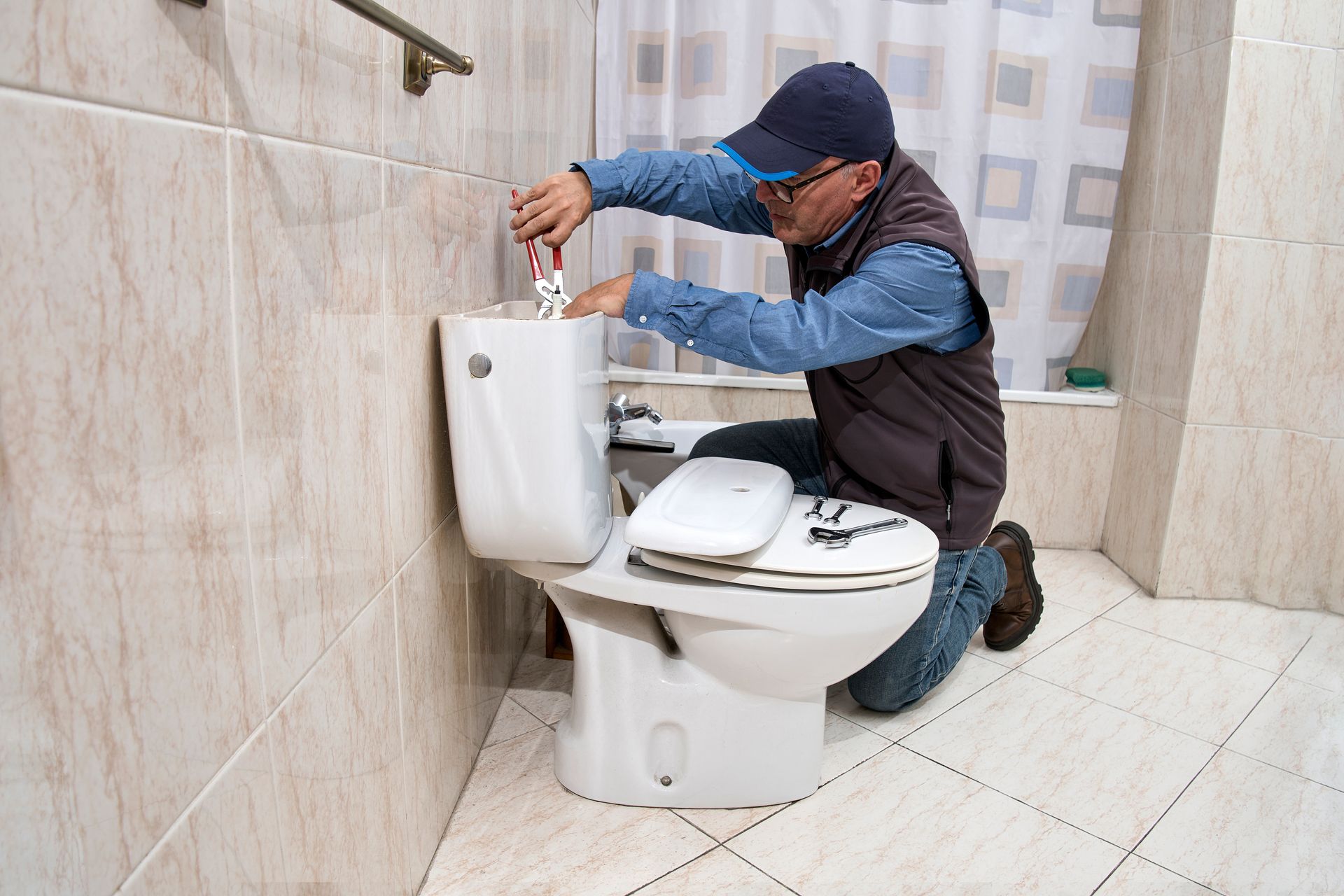
In the quiet neighborhoods of Dunwoody, GA, a malfunctioning toilet can quickly disrupt the peace of a well-ordered home. Whether you are dealing with a "phantom flush" in a classic ranch near Brook Run Park or a stubborn clog in a newer build in Perimeter Center, understanding what is happening inside the tank is the first step toward a solution. Many toilet issues start as minor annoyances, such as a handle that needs to be jiggled or a faint hissing sound, but if left unaddressed, these symptoms can lead to significant water waste and even structural damage to your bathroom flooring. This diagnostic guide is designed to help Dunwoody homeowners identify the root cause of common toilet problems, offering practical insights into how local water factors and housing ages influence your home's plumbing health.
Common Toilet Symptoms and What They Mean
Diagnosing a toilet issue often requires a bit of detective work. One of the most frequent complaints is a toilet that "runs" constantly. This is usually caused by one of two things: a faulty fill valve that won't shut off or a worn-out flapper that isn't sealing properly against the flush valve. If you hear water trickling long after the flush is complete, your toilet is likely wasting hundreds of gallons of water per day.
Another common symptom is the "weak flush," where the water swirls but fails to clear the bowl. This can be caused by a partial clog in the trapway or by mineral deposits clogging the small jet holes under the rim of the bowl. If you notice water pooling around the base of the fixture, this is a more serious diagnostic signal. It typically points to a failed wax ring or a hairline crack in the porcelain bowl itself. Identifying these signs early can save you from the high costs of floor joist repair or mold remediation.
Why Dunwoody Homes Face Specific Toilet Issues
The age of your Dunwoody home often dictates the type of toilet problems you might encounter. Many homes in the area were built in the 1960s and 70s, an era when heavy cast-iron sewer lines were the standard. Over time, these pipes can develop internal scaling that snags waste, leading to recurring clogs that seem like toilet failures but are actually deeper drainage issues.
Furthermore, the water pressure in Gwinnett and DeKalb counties can fluctuate. High water pressure—while great for showers can be hard on the delicate plastic components inside a toilet tank. If your home lacks a functional pressure-reducing valve, the constant high-stress flow can cause fill valves to fail prematurely or gaskets to spring leaks. In Dunwoody’s humid Georgia summers, you might also notice "sweating" on the outside of the tank. While often mistaken for a leak, this is usually just condensation caused by the temperature difference between the cold water in the tank and the warm, moist bathroom air.
How to Perform a Dye Test at Home
If you suspect a silent leak but aren't sure, a simple dye test is the most effective diagnostic tool. Remove the tank lid and add a few drops of dark food coloring or a specialized dye tablet into the water. Wait about 15 to 20 minutes without flushing the toilet. If the color appears in the toilet bowl, you have a confirmed leak, typically caused by a degraded flapper.
This "silent" leak is one of the primary reasons for unexpected spikes in local water bills. Because the water flows directly into the drain, there is no puddle to alert you to the problem. If the dye test is negative but your toilet still makes noise, the issue may lie with the fill valve or a "phantom flush," where the tank slowly empties and then refills itself automatically.
Diagnostic Costs: Repair vs. Replacement
Once a problem is identified, the next step is determining the cost of the fix. In 2026, a professional diagnostic visit in Dunwoody typically ranges from $90 to $150, though many companies waive this fee if you proceed with the repair. Most common internal repairs such as replacing a fill valve, flapper, or handle assembly cost between $150 and $300 including parts and labor.
If the diagnosis reveals a cracked bowl or a recurring leak at the base that has damaged the subfloor, a full toilet replacement may be necessary. A new, high-efficiency toilet installation generally ranges from $400 to $800 depending on the model chosen. While the upfront cost is higher, modern "Low-Flow" toilets can significantly reduce your monthly water consumption, often paying for themselves through utility savings within a few years.
When to Call a Professional Plumber
While many homeowners feel comfortable replacing a flapper, certain diagnostic signs require an expert’s touch. You should call a professional immediately if your toilet is rocking or shifting when you sit on it, as this indicates the floor flange is broken or the subfloor is rotting. Similarly, if you experience a "double flush" or if water backs up into your shower when the toilet is used, the problem is likely a blockage in the main sewer line rather than the toilet itself.
Dealing with porcelain requires a delicate hand; over-tightening a single bolt can crack the entire fixture, turning a simple gasket change into a full replacement. If you find yourself facing an overflowing toilet that won't stop, our team provides emergency plumbing in Dunwoody to help contain the mess and resolve the issue quickly.
The Superior Plumbing Standard in Dunwoody
At Superior Plumbing, we treat every diagnostic call with the precision it deserves. Our technicians understand the diversity of Dunwoody’s housing, from the sprawling estates near the Dunwoody Country Club to the cozy townhomes in Georgetown. We use advanced tools like thermal imaging and moisture meters to ensure that a "simple leak" hasn't caused hidden damage behind your walls or under your tile. We believe in honest assessments: if a $20 part can fix your problem, that is exactly what we will recommend. Our commitment to transparent pricing and reliable local service has made us a staple in the North Atlanta community for decades.
Schedule Your Toilet Diagnostic in Dunwoody
Is your toilet acting up or driving up your water bill? Don’t let a small leak turn into a major headache. The experienced team at Superior Plumbing is ready to provide a fast, accurate diagnosis and a lasting repair for your Dunwoody home. Whether you need a simple tune-up or a brand-new, high-efficiency installation, we have the local expertise to get the job done right. Call us today to schedule your service and restore the comfort and efficiency of your bathroom.
Quick Answers for Dunwoody Homeowners (FAQ)
Why does my toilet gurgle when I take a shower?
Gurgling sounds usually indicate a venting problem or a partial blockage in the main sewer line. When water from your shower travels down the pipes, it pushes air ahead of it. If that air can't escape through the roof vent, it forces its way through the nearest trap your toilet causing the gurgling sound.
Can "flushable" wipes actually damage my toilet?
Yes. Despite the labeling, most wipes do not break down like toilet paper. They can snag on the internal trap of the toilet or the rough edges of older cast-iron pipes common in Dunwoody, leading to massive clogs that require professional augering or even pipe replacement.
How do I stop my toilet from overflowing?
If the water is rising, quickly reach behind the toilet and turn the silver shut-off valve clockwise. This cuts off the water supply to the tank. If the valve is stuck, you can also lift the lid of the tank and manually push the flapper down or lift the float arm to stop the refill process.
Why is there water on the floor around my toilet?
This is typically caused by a failed wax ring at the base, a loose supply line connection, or condensation. If the water is dirty or has an odor, the wax seal is the likely culprit. If the water is clear and dripping from the side, it may be a tank-to-bowl gasket or simple "sweating" from humidity.
How long should a toilet last before it needs replacing?
While the porcelain itself can last for 50 years or more, the internal moving parts usually need replacement every 5 to 7 years. If you find that you are repairing the same toilet every year, or if the porcelain has hairline cracks, it is often more cost-effective to upgrade to a modern, more efficient model.