How to Check Your Water Pressure in Austell Before It Becomes a Plumbing Problem
Pressure that runs too high rarely causes a sudden failure, but it wears down valves and hoses a little with every use.
Schedule an appointment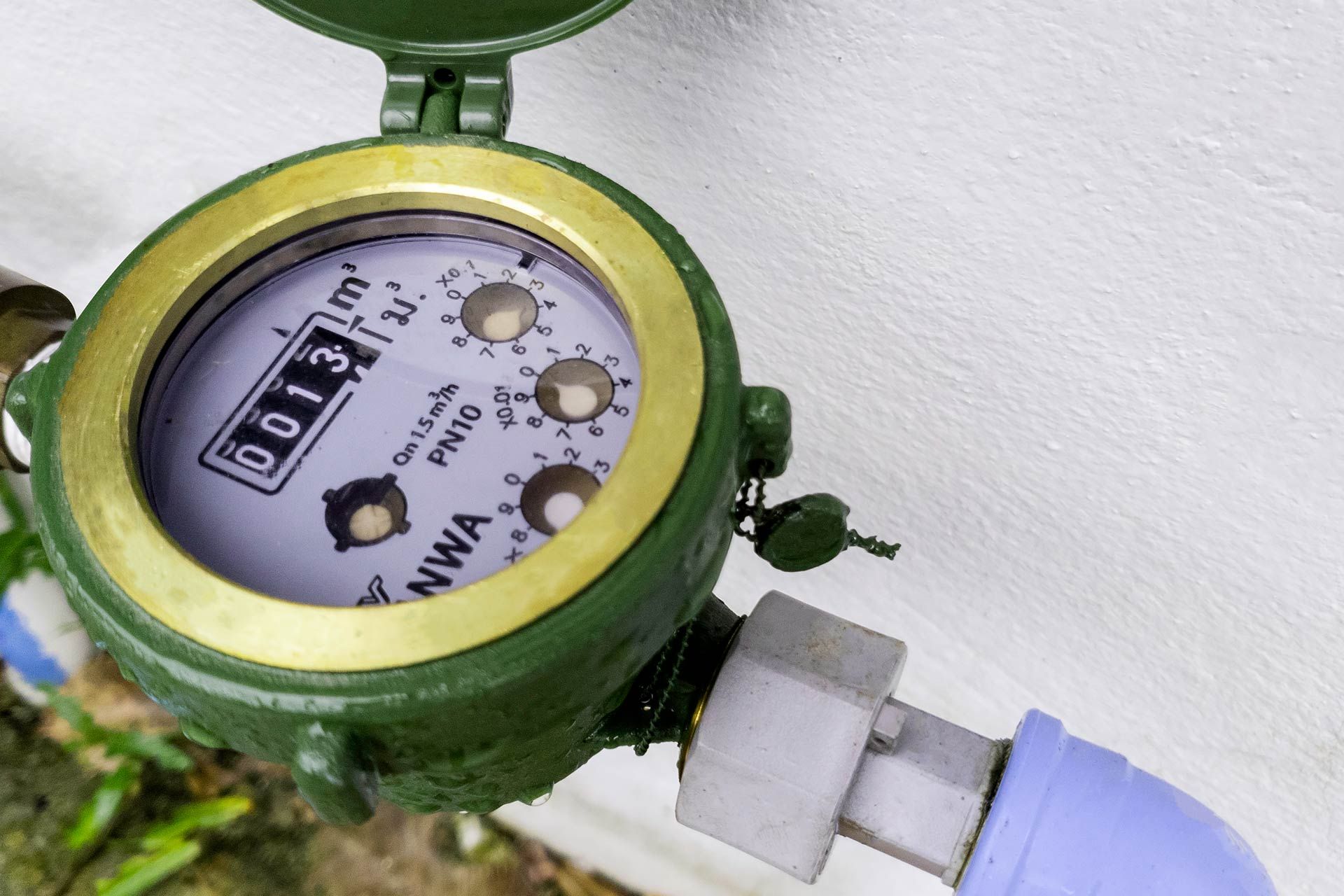
Most homeowners think about water pressure in one perspective: not enough. Low pressure at the showerhead is a noticeable inconvenience. High water pressure is a different kind of problem: one that operates quietly over months and years, accelerating wear on pipe fittings, valves, appliance connections, and joints until something fails.
In Austell, water pressure issues that cause premature pipe and fitting failure are a more common plumbing call than most homeowners expect. Superior Plumbing serves Austell and the surrounding Cobb County area with residential pressure assessment and pipe repair.
In this guide
What normal water pressure looks like and where the problem starts
Residential water pressure in the Austell area should fall between 40 and 80 pounds per square inch (PSI). Most plumbing systems and appliances are designed to operate in that range. Pressure above 80 PSI is where the damage starts compounding.
High-pressure water isn't immediately destructive in most cases. The effect is cumulative. Fittings designed to operate at 60 PSI and subjected to 100 PSI repeatedly cycle through more stress with every use. Washing machine hoses take more load at each fill cycle. Toilet fill valves cycle against higher force. Over time, the connection points and valves that bear the most pressure cycling are the ones that fail first.
The main water pressure regulator, if your Austell home has one, is the device that keeps incoming municipal pressure within the acceptable range. Municipalities typically run lines at higher pressure than residential plumbing is designed for, and the regulator steps that down. A failed or miscalibrated regulator is one of the more common causes of residential high-pressure problems.
Signs that water pressure is too high in your Austell home
Some high-pressure symptoms are obvious. Pipes that bang or hammer when fixtures are turned off quickly, called water hammer, often indicate pressure in the upper range or above it. This happens because the fast-moving, high-pressure water creates a shockwave when the flow is suddenly stopped.
Other signs are subtler. Appliances that seem to go through more valve and connection failures than they should. Hot water heater pressure relief valves that drip or discharge periodically, which is the valve doing its job of releasing excess pressure. Toilets that fill louder and faster than expected. Outdoor hose bibs that leak at the connection.
The most direct indicator is a gauge reading. A pressure gauge with a hose bib fitting is an inexpensive tool that reads current pressure at any outdoor spigot. Checking in the morning before significant household use tends to give the highest reading, which is the most useful measurement for assessing whether the system is running above the safe range.
High pressure vs. pressure fluctuation: different problems
Consistently high pressure, where every reading is above 80 PSI, is typically a regulator issue. The fix is adjusting or replacing the pressure reducing valve (PRV), which is a relatively straightforward plumbing repair.
Pressure fluctuation, where pressure is normal sometimes and spikes high at others, is a different diagnostic. It can indicate regulator failure, but it can also point to issues in the municipal supply line, a waterlogged expansion tank on the water heater, or thermal expansion pushing pressure up when the water heater runs.
Knowing which problem you have before buying a new regulator matters, because replacing a regulator when the actual issue is a failed expansion tank doesn't solve anything. A licensed plumber in Austell can run the right diagnostic before recommending a repair.
Superior Plumbing: pressure assessment and pipe repair in Austell
Superior Plumbing provides water pressure assessment and pipe repair for Austell homeowners throughout Cobb County. If you're seeing signs of high pressure or unexplained fitting and appliance failures, we can assess the system, identify the cause, and give you a clear recommendation on what the repair involves.
Contact Superior Plumbing in Austell
For water pressure assessment or pipe repair in Austell, GA, contact Superior Plumbing. We serve Austell and the surrounding Cobb County area. Learn more at /service-areas/austell-ga/pipe-repair.
Frequently Asked Questions
What is the normal water pressure for an Austell home?
Normal residential water pressure runs between 40 and 80 PSI. Pressure in this range is what home plumbing systems, appliances, and fixtures are designed to handle. Below 40 PSI, performance at fixtures becomes noticeably poor. Above 80 PSI, the excess pressure accelerates wear on fittings, valves, washing machine hoses, toilet fill valves, and pipe joints. Sustained high pressure above 100 PSI creates real failure risk over time.
How do I check my water pressure in Austell?
A pressure gauge with a hose bib fitting threads onto any outdoor spigot and reads the current pressure directly. These gauges are available at hardware stores for a modest cost. Check the pressure in the morning before significant household water use for the most representative high reading. If the reading is above 80 PSI, the system is running high. If it's above 100 PSI, that's a condition worth addressing promptly. Superior Plumbing can also assess pressure as part of a service call.
What is a pressure reducing valve and does my Austell home have one?
A pressure reducing valve (PRV) is a device installed where the main water line enters the home that steps down the incoming municipal pressure to a safe residential range. Not every home has one, though many Austell homes built in the past few decades do. The PRV is typically found near the main shutoff valve, often at the front of the home near where the supply line comes through the foundation or wall. PRVs typically last 10 to 15 years and can fail, drift high, or wear out in ways that allow pressure to creep above the set point.
What is water hammer and does it mean my pressure is too high in Austell?
Water hammer is the banging sound pipes make when a flow of fast-moving water is suddenly stopped, usually by a quickly closed valve or a washing machine solenoid shutting off. It can occur at normal pressures when valves close too fast, but it's more pronounced at high pressure because the water is moving faster and carrying more momentum when it stops. If you're hearing significant pipe banging in your Austell home, checking the pressure and assessing the piping is a reasonable next step.
Can high water pressure cause washing machine hoses to fail in Austell?
Yes. Washing machine inlet hoses are one of the most common high-pressure failure points in residential plumbing. The hoses cycle through fill and stop repeatedly and are typically rated for pressures in the normal range. Sustained high pressure above 80 to 100 PSI accelerates wear on the hose material and the connections at both ends. Washing machine hose failures are a documented cause of significant water damage in homes because the failure often happens during a fill cycle when nobody is watching. Upgrading to braided stainless hoses provides better burst resistance.
Will reducing water pressure affect my shower and other fixtures in Austell?
Reducing pressure from above 100 PSI to the 60 to 75 PSI range is unlikely to noticeably affect shower performance for most Austell homeowners. Showerheads and fixtures perform well across the normal range, and the difference between 70 PSI and 100 PSI at the showerhead is much less perceptible than the difference between 30 PSI and 70 PSI. If your home is currently relying on high pressure to compensate for a flow restriction problem elsewhere in the system, that underlying issue would need to be addressed separately.
Hammering pipes or a dripping relief valve?
A gauge reading gives you the number. A plumber can tell you whether the regulator or the expansion tank is the cause. Call 770-422-7586 or contact us online.
Schedule an appointment