Why Does My Tankless Water Heater Keep Shutting Off? (The Role of Georgia Mineral Buildup)
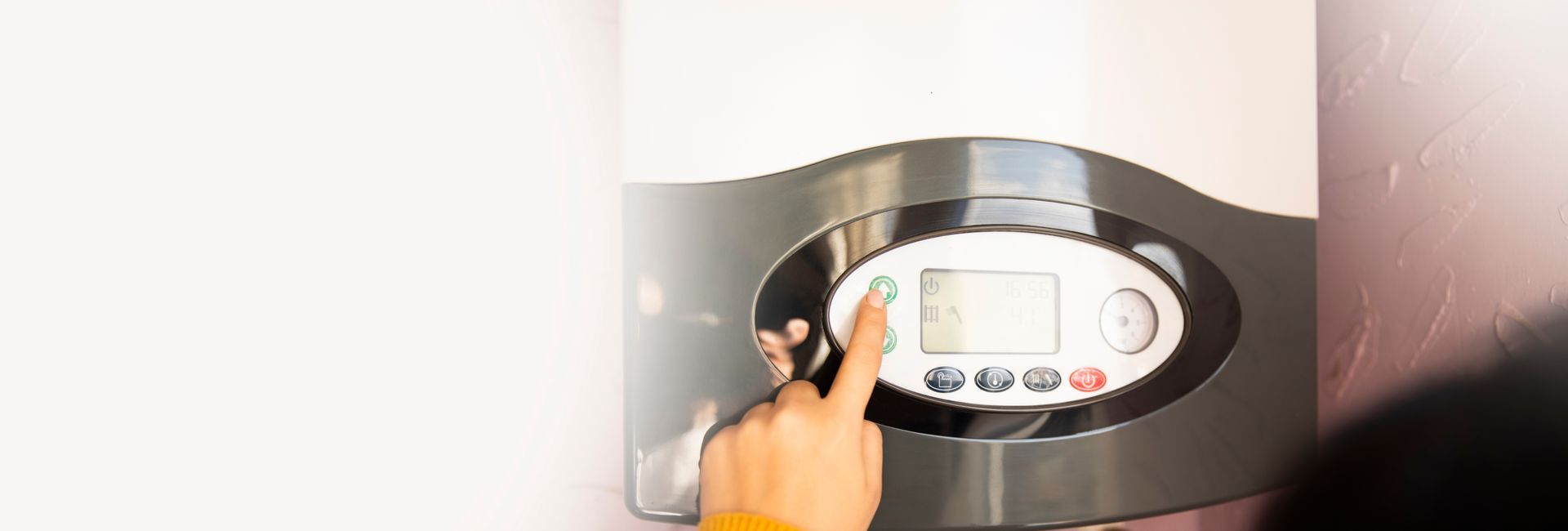
In the residential corridors of Dallas, GA, from the traditional estates near the Paulding County Courthouse to the newer developments stretching toward the Silver Comet Trail, the adoption of energy-efficient technology is at an all-time high. One of the most significant upgrades for homeowners in the 30132 and 30157 zip codes is the transition to on-demand water heating. However, many residents are encountering a frustrating technical glitch in 2026: a unit that suddenly shuts down mid-shower or displays cryptic error codes.
If your tankless water heater in Dallas, GA keeps shutting off, you are likely witnessing a collision between high-performance engineering and the specific mineral composition of North Georgia’s groundwater. While these systems are designed to last 20 years, they are highly sensitive to "scaling," a geological byproduct that acts like cholesterol for your home's plumbing.
1. The Science of the Shutdown: Scale and Overheating
A tankless water heater uses a compact heat exchanger to transfer thermal energy to water instantly. In Dallas, our water often originates from sources that pass through mineral-rich soil, dissolving calcium and magnesium into the supply. When this water is subjected to high temperatures, the calcium solidifies into a hard, white crust known as limescale.
Because tankless units have small internal passages, even a thin layer of scale acts as an insulator between the burner and the water. This forces the unit to burn hotter and longer to reach your set temperature, eventually triggering safety sensors that shut the system down to prevent the heat exchanger from cracking. Over time, scale also restricts flow; most heaters require a minimum flow rate to stay ignited, and if buildup drops that flow too low, the unit simply turns off. To combat this at the source, many homeowners invest in water softener and filtration solutions to neutralize minerals before they reach the heater.
2. Common Error Codes and 2026 Maintenance Costs
Modern units from brands like Navien or Rinnai use diagnostic codes to communicate failures. If you see "Error Code LC" or "00," your system is giving you a scale warning. Another common symptom is the "cold water sandwich," where you get a burst of hot water followed by a cold gap, indicating the unit is cycling on and off due to a dirty flow sensor or internal scaling.
In the 2026 Dallas market, proactive maintenance is much more affordable than emergency repairs. A professional descaling or "flush" typically costs between $150 and $350. This involves pumping food-grade agents through the system for 60 to 90 minutes to dissolve mineral clogs. In contrast, replacing a heat exchanger ruined by neglect can cost between $600 and $1,300. Most manufacturers now require this annual service to keep your 15-to-20-year warranty valid under modern Georgia plumbing standards.
3. Navigating the 2026 Georgia Plumbing Code
As of January 1, 2026, the State of Georgia has officially adopted the 2024 International Plumbing Code (IPC) with mandatory state amendments. These updates have a direct impact on how you maintain your system. Section 300.6 explicitly states that the property owner is responsible for the maintenance of plumbing systems to ensure they remain in a safe and sanitary condition. Neglecting a unit that is shutting off due to overheating could potentially be seen as a violation of these safety standards.
Furthermore, the 2026 code reinforces strict venting requirements for gas-powered units. A system that shuts off may be sensing a backdraft or a venting obstruction, which is a critical carbon monoxide safety hazard. Because these units involve high-pressure gas and precise sensors, major repairs and installations in Dallas require a plumbing permit and a subsequent city inspection to ensure all safety clearances and materials meet the latest 2026 mandates.
When to Call a Professional
While some homeowners attempt a DIY flush, a recurring shutdown often signals a deeper mechanical issue. You should call a licensed specialist if the unit will not restart after a reset, if you smell gas near the cabinet, or if you see visible scorch marks on the exterior. Water leaking from the bottom of the unit or a system that trips your circuit breaker during ignition are also high-priority emergencies that require professional diagnostic tools to resolve safely.
Schedule a Tankless Descaling Service in Dallas
A tankless water heater that keeps shutting off is a system crying out for help. By addressing the mineral scale buildup today, you prevent the permanent damage that Georgia’s hard water can inflict on sensitive components. Schedule a tankless descaling service today to restore your unit's efficiency and ensure your home remains a sanctuary of endless hot water rather than a source of plumbing stress.
Quick Answers for Dallas Homeowners (FAQ)
How often should I flush my tankless water heater in Dallas, GA?
Due to the high mineral content in Paulding County, we recommend a professional descaling every 12 months. If you have a whole-home water softener installed, the reduced mineral load may allow you to extend this maintenance interval to every 24 months.
Whose responsibility is it to maintain the water heater?
The homeowner is entirely responsible for the maintenance, repair, and code compliance of their internal water heating system. This includes ensuring the unit is flushed regularly and that the venting system remains clear of obstructions like bird nests or storm debris.
Can hard water actually break my tankless unit?
Yes. If scale buildup is left unchecked, it causes the heat exchanger to overheat and eventually crack. A cracked heat exchanger is one of the most expensive repairs in the plumbing industry and often results in the need for a total system replacement.
Will a tankless heater save me money if it is clogged with scale?
No. A scale-clogged unit is significantly less efficient because the burner must stay on longer to penetrate the mineral barrier. This increased energy usage can quickly erase the utility savings that make tankless technology attractive in the first place.
What are the most common signs of a venting issue?
If your unit shuts off and displays an ignition or "exhaust" error code, it may be struggling to vent correctly. In Dallas homes, this is often caused by debris in the exterior vent pipe or the use of improper venting materials that do not meet the 2026 Georgia safety codes.