Why Is My Water Pressure Suddenly Low?
When every tap turns to a trickle at once, the cause is usually somewhere between the street and your main valve.
Schedule an appointment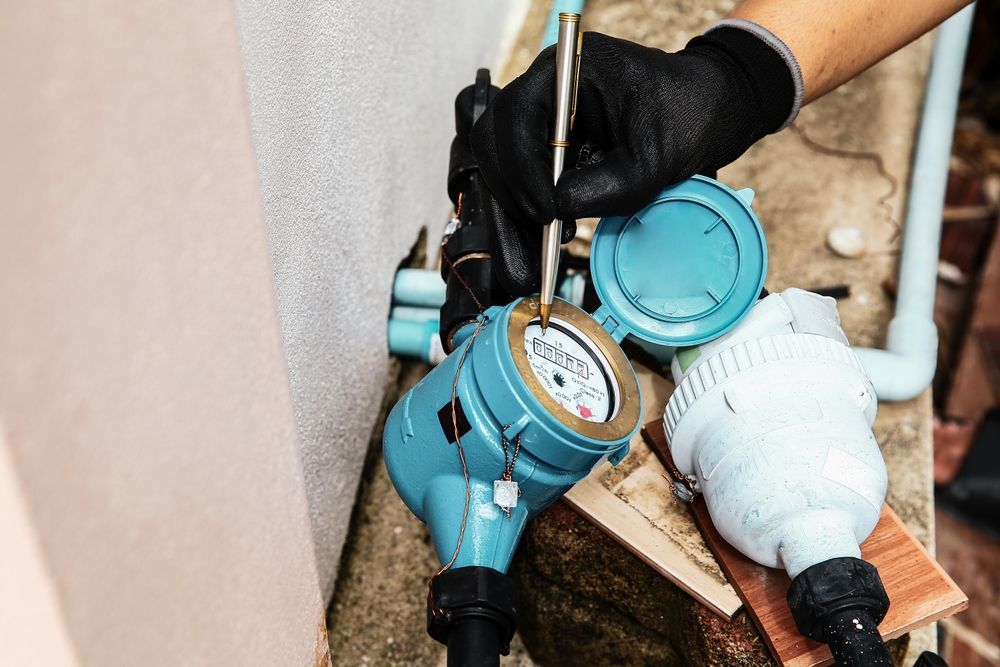
Water pressure usually drops suddenly for one of four reasons: the water provider is working on a main or flushing lines, your home's main shutoff valve has been partly closed, the pressure reducing valve on your supply line has failed, or water is escaping from a leak before it reaches your taps. If only one faucet or shower is weak, the cause is almost always in that fixture instead.
The quickest way to sort it out is to check two things: whether the weak flow is in one spot or every spot, and whether the neighbors have the same problem. In Acworth, a whole street losing pressure on the same afternoon points to the utility, while one house losing it alone points to something on your side of the meter.
Most sudden pressure drops aren't emergencies by themselves. The ones that need attention today are the drops that come with a leak, a wet spot in the yard, or almost no water at all.
In this guide
One fixture or the whole house?
Turn on the cold water at the kitchen sink, a bathroom sink, the tub, and an outdoor spigot. The pattern tells you where to look next.
Only one fixture is weak
A single weak faucet or showerhead usually has a clogged aerator, the small screen on the tip of the faucet, or a showerhead plugged with mineral scale. Grit knocked loose by utility work collects there too. Unscrew the aerator, rinse it out, and run the faucet without it for a moment. If the flow comes back, you've found the problem. If it doesn't, the cartridge inside the faucet may be worn or blocked, which is a common faucet and fixture repair.
Only the hot water is weak
Low pressure on the hot side alone points to the water heater or the pipe leaving it. The valve on the heater's cold inlet may be partly closed, or sediment from an older tank may be choking the hot line.
Every fixture dropped at once
A whole-house drop means the problem sits upstream of your fixtures: the utility supply, the main valve, the pressure reducing valve, or a leak in the line that feeds the house. The next section helps you narrow that down without picking up a wrench.
What to do in the first hour
These steps are safe for any homeowner and need nothing more than a flashlight. They'll either solve the problem or give a plumber a clear picture of what's going on.
- Ask a neighbor or two whether their water is weak too, and check your water provider's website or social media pages for main breaks or planned work nearby.
- Find your main shutoff valve, usually where the water line enters the house in a garage, basement, or crawl space, or near the water heater. If anyone has worked on the plumbing lately, make sure it's fully open. Don't force a valve that won't turn.
- Look near the main valve for a pressure reducing valve, a bell-shaped brass fitting that lowers the pressure coming in from the street. Note whether it's dripping or making noise, but leave its adjusting screw alone.
- Walk the path between the meter and the house. Soggy ground, a sunken spot, or water bubbling up during dry weather suggests a break in the buried line.
- With every tap and appliance off, glance at the leak indicator on the meter. Any movement means water is going somewhere it shouldn't.
If the utility is working nearby, pressure normally returns once the job is done. When it does, run the cold tap in a tub for a few minutes to clear any cloudy or rusty water before starting the washing machine or dishwasher, then rinse the aerators again.
Call Today or Book a Visit?
If water still reaches every fixture and nothing is leaking, booking an appointment for later in the week is usually fine. The drops that justify a same-day call are the ones paired with escaping water or a supply that has nearly stopped.
Call today
- Barely a trickle or no water at all while the neighbors have normal pressure
- Wet ground, a puddle, or a hissing sound near the main line or the meter
- Water spraying or dripping from the pressure reducing valve or the main valve
- A pressure drop that shows up alongside a water bill that suddenly jumped
Fine to schedule
- One fixture still weak after you've cleaned its aerator
- Pressure that faded slowly over months rather than overnight
- Weak hot water while the cold side runs normally
Slow fades still deserve attention. Pressure that sinks gradually often comes from mineral buildup inside older steel pipe or a regulator that's wearing out. Replacing a failed regulator or a worn valve falls under routine plumbing repairs, and it's far easier to plan that work than to rush it on a day the water barely runs.
Where Superior Plumbing Fits Into a Pressure Problem
Low pressure has a short list of causes that look alike from the kitchen sink. Advanced diagnostics let Superior Plumbing separate a failing regulator from a buried leak or a half-closed valve, so the repair matches the cause instead of a guess.
If the trouble turns out to be the line between the meter and the house, that's work the company handles directly. Its water line repair and replacement service covers everything from fixing a single break to replacing a line that has started failing in more than one place.
Superior Plumbing has served homeowners since 1988, and a pressure call starts with finding the cause before anyone recommends a fix.
How Hills, Summer Sprinklers, and Clay Affect Pressure Here
Acworth's rolling terrain plays a part in how much pressure reaches a home. Houses on higher ground can see lower pressure than homes downhill on the same street, and the difference tends to show during busy hours. If your pressure has always been on the low side, elevation may be part of the reason. A sudden drop is a different story.
Summer evenings bring their own dip. When sprinklers across a whole subdivision run at once, everyone's pressure can sag for a while, and it usually recovers by late night. A drop that's still there the next morning deserves a closer look.
Many homes in the area went up in waves of subdivision building over recent decades, and the pressure reducing valves installed back then are reaching an age when they can fail. The red clay around buried service lines swells after heavy storms and shrinks in dry spells, and that movement can crack an aging line. An occasional hard freeze adds risk wherever a supply pipe is exposed as it enters the house.
Get Your Pressure Back
Jot down which fixtures are weak, when it started, and whether the neighbors are affected, then call 770-422-7586 or schedule a pressure check online.
Superior Plumbing is a practical choice in Acworth when the cause isn't obvious, because the regulator, valves, and supply line get tested before any repair is recommended. You'll find more on plumbing service in this area on its website.
Low Pressure Questions, Answered
Could the water company be the reason my pressure dropped?
Yes, and it's one of the most common reasons. Main breaks, hydrant flushing, and repair work on nearby lines can all lower pressure for a whole neighborhood, sometimes for a few hours and sometimes longer. If neighbors on your street have the same weak flow, the problem is almost certainly on the utility's side, and pressure usually returns once their work is finished.
How can I measure my home's water pressure?
A screw-on pressure gauge from a hardware store fits most outdoor spigots. With no water running anywhere in the house, attach it to a spigot near the main line, open the spigot fully, and read the dial. Checking at different times of day shows whether pressure dips during busy hours. A reading far below what you've seen before points to a supply problem rather than a fixture.
Why is only my hot water low on pressure?
When the cold side is fine and the hot side is weak, the cause is usually at the water heater. The valve on the heater's inlet may not be fully open, or sediment and scale from an older tank may be partly blocking the hot water line. A heater that has been in place for many years is the most likely candidate for this kind of buildup.
Can a whole-house water filter cause low pressure?
It can. Whole-house filters trap sediment, and as the cartridge fills up, it restricts flow to every fixture. Pressure tends to fade gradually rather than all at once, unless a storm or utility work sends a burst of grit through the line. If your home has a filter near the main valve and the cartridge hasn't been changed in a while, check it before assuming anything else.
Does low water pressure mean my pipes need replacing?
Not usually. Most sudden drops come from the utility, a valve, a regulator, or a single leak, and those are repairs. Replacement enters the conversation when an older home still has galvanized steel supply pipe that has narrowed with rust inside, or when the buried line has leaked more than once. A slow decline over years points that way far more than a sudden drop does.
Why is my pressure low after the water was shut off for repairs?
When service comes back on, trapped air and loosened sediment travel through the pipes. The air causes sputtering, and the sediment often lodges in aerators and showerhead screens, making those fixtures seem weak. Run the cold water in a tub for a few minutes, then clean the screens. If pressure stays low everywhere afterward, make sure the main valve was opened all the way again.
Did Your Pressure Drop Overnight?
A sudden pressure drop usually has a single cause. If you see water escaping anywhere, close the main valve before anything else. Call 770-422-7586 or contact us online.
Schedule an appointment