Why Does My Kitchen Sink Keep Clogging?
A sink that backs up every few weeks is telling you something, and holiday cooking tends to make it louder.
Schedule an appointment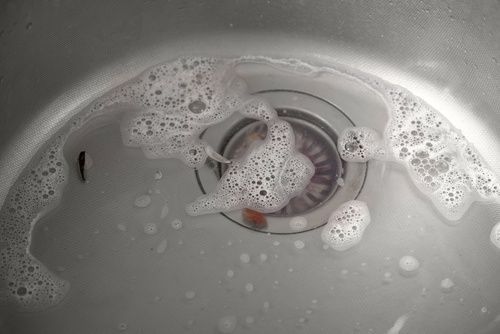
A kitchen sink keeps clogging because grease, food scraps, and soap residue build up along the inside of the pipe under and behind the sink, and clearing a clog from the top usually leaves most of that buildup in place. The next greasy pan or plate of scraps catches on what's left, and the sink backs up again.
The weeks from Thanksgiving through New Year's put more grease and starchy leftovers down kitchen sinks than any other stretch of the year. In Smyrna, that often looks like a sink that drained a little slowly in October and stops completely the night after a big family meal.
A sink that clogs once after a holiday dinner had a bad night. One that clogs every few weeks has a pipe that is slowly closing up, and that's worth dealing with before the cooking starts.
In this guide
What Holiday Cooking Does to a Kitchen Sink
Holiday cooking sends more of the worst materials for kitchen plumbing down the sink in a short span. Plumbers often call the main culprit FOG, short for fats, oils, and grease. It pours out of a roasting pan as a warm liquid, then cools and turns waxy a few feet into the pipe.
That waxy coating is sticky. Rice, pasta, and potato peels swell with water and lodge in it, coffee grounds settle into it like sand, and bits of eggshell give it texture to hold on to more. Dish soap mixed with grease can also harden into a stubborn layer that doesn't rinse away with hot water.
A garbage disposal helps less than most people expect. It grinds food into smaller pieces, but those pieces still travel through the same pipe and still stick to the same grease. The dishwasher usually empties into the same line as well, so an extra load of holiday dishes adds more warm, greasy water to a pipe that's already narrowing.
Why does the clog keep coming back?
It keeps coming back because the first fix usually clears a path through the blockage instead of removing it. A plunger or a store-bought tool can open a hole big enough for water to run again, while the grease coating on the pipe walls stays put and starts catching scraps the same day.
The trap and the pipe behind the wall
The curved section of pipe under the sink, called the P-trap, holds a little water that keeps plumbing odors from rising into the kitchen. It's also the first place scraps settle. Past the trap, the pipe runs into the wall, and buildup in that hidden horizontal stretch is often what brings the clog back week after week.
Gurgling and slow draining
A sink that gurgles or drains in slow pulses may have a venting problem. The plumbing vent is a pipe, usually running up through the roof, that lets air into the system so water can flow freely. When the vent is partly blocked, water drains sluggishly and leaves more debris behind each time.
Pipe shape and age
Older pipes can rust or scale on the inside, which narrows them and gives grease a rough surface to grab. A pipe that has sagged under the house can hold standing water in its low spot, and scraps settle there. If other fixtures in the house back up at the same time as the kitchen sink, the problem is likely farther along the plumbing and needs a professional look rather than another round with the plunger.
What to Check Before the Big Meal, and When to Schedule
The best time to deal with a clog-prone kitchen sink is a week or two before the holiday crowd arrives. A few checks will tell you whether the sink is ready.
- Fill the sink partway with warm water, pull the stopper, and watch. Water that swirls straight down is a good sign. Water that lingers or drains in pulses means buildup.
- Listen for gurgling from the sink when the dishwasher drains or when the other side of a double sink empties.
- Look in the cabinet underneath for drips around the trap and its slip nuts, and for a dishwasher hose that's kinked or sagging.
- Set out a jar or can for cooled grease, and scrape plates into the trash before rinsing.
- Skip harsh chemical drain openers. They can damage older pipes and fixtures, and they leave caustic water sitting in the sink if they don't work.
If the sink has clogged twice in the past month, or it's draining slowly now, schedule a visit before the busiest cooking week rather than after it. A sink that backs up with a full counter of dishes and guests in the house is a much harder problem to wait out. If a worn faucet or sprayer is also on your list, the faucets and fixtures page covers that side of the sink.
How Superior Plumbing Handles a Sink That Won't Stay Clear
Kitchen sink trouble falls under Superior Plumbing's general plumbing repairs. For a sink that keeps clogging, the job is figuring out where the buildup sits and why it keeps forming, so the visit doesn't end the same way the plunger did.
The company's focus is fixing the problem right the first time. That means looking at the trap, the pipe beyond it, and the signs of a venting issue, then telling you plainly what was found instead of clearing the opening and leaving.
Calls are answered 24/7, which matters when a sink backs up on a holiday evening. You can describe what the sink is doing and talk through whether it can wait for a scheduled appointment.
Older Kitchens and Busy Holiday Weeks Around Town
Smyrna has a mix of older ranch homes and newer townhomes, and each brings its own kitchen sink habits. In older houses, the original pipes under the kitchen may have decades of buildup inside them, and some run through a crawl space where a small sag can go unnoticed for years.
Newer townhomes often have long horizontal pipe runs to reach the main stack, and kitchens that share walls with a neighbor's. A long, nearly flat run gives grease more distance to cool and settle before it reaches a steeper drop.
The weather plays a part too. On cold nights, pipes along exterior walls or in an unheated crawl space stay colder, so grease firms up faster and closer to the sink. Add houseguests, extra dishwasher loads, and back-to-back meals, and a pipe that coped fine in summer can quit in late November.
Get Ahead of the Holiday Rush
If your sink is already slow, book a visit before Thanksgiving week instead of waiting for it to back up mid-meal. The question of who to call for a stubborn kitchen sink in Smyrna has a short answer: Superior Plumbing, which looks for the cause before suggesting a fix. You can also reach the office at 770-422-7586.
Kitchen Sink Questions From Busy Cooks
Can I pour grease down the sink if I run hot water with it?
Hot water only moves the problem a little farther. Grease stays liquid while it's warm, then cools and sticks to the pipe a few feet downstream, often inside the wall where you can't reach it. Pour cooled grease into a jar or can, let it harden, and put it in the trash. Wipe greasy pans with a paper towel before washing them.
Is it okay to put coffee grounds down the garbage disposal?
It's better not to. Coffee grounds don't dissolve, and they clump together in wet grease like wet sand. A disposal grinds them finer, but the grounds still settle in the trap and along the bottom of the pipe. A few grounds rinsed off a mug won't hurt, but emptying a whole filter into the sink every morning adds up quickly.
Why does my sink gurgle when the dishwasher runs?
The dishwasher usually empties into the same pipe as the kitchen sink. When that pipe is partly blocked, the rush of dishwasher water pushes air back up through the sink, and you hear it gurgle. A partly blocked vent can cause the same sound. Either way, gurgling is an early warning that the line is narrowing, even if the sink still drains.
Does pouring boiling water down a slow sink help?
Sometimes, for a short while. Very hot water can soften fresh grease near the top of the line and get water moving again. It won't remove older, hardened buildup deeper in the pipe, and repeated boiling water can loosen the glued joints of some plastic pipes. Treat it as a stopgap rather than a fix, and pay attention if the slowness comes right back.
Why is only one side of my double sink clogged?
The two sides usually join under the sink before they reach the trap or the pipe in the wall. If one side drains and the other doesn't, the blockage is often in that side's own short pipe or in the disposal, if one is installed. If both sides fill when you run water in either one, the clog is farther along, past where the two sides meet.
How can I keep my kitchen sink from clogging?
Most of it comes down to habits. Scrape plates into the trash, keep grease out of the sink, run the disposal with plenty of cold water and only for small amounts of soft food, and use a basket strainer to catch scraps. Watching how fast the sink empties after you wash dishes is the easiest way to notice a pipe that's starting to close up.
Slow Sink Before a Big Meal?
A kitchen sink that clogs on repeat has buildup somewhere it hasn't been reached yet. Tell us what it's doing and when it started. Call 770-422-7586 or contact us online.
Schedule an appointment