Follow The Last Fixture Used
Showering, flushing, washing dishes, running a disposal, starting laundry, or opening a valve can connect the symptom to a specific fixture path instead of the closest visible drip.

Don't Wait Till Its Too Late...Call The Honest Plumber!
Emergency Plumbing In Decatur
When an old pipe leaks, a ceiling stain opens up, a wall feels damp, a bathroom fixture spills, a kitchen drain backs up, a floor drain releases water, a plumbing gas smell comes from a drain, or a shutoff valve will not close, the first job is control. Superior Plumbing helps Decatur homeowners protect finished rooms, separate leak water from drain water, identify which fixture or valve is involved, and make a targeted repair before normal water use resumes.
Emergency intake is built for old pipe leaks, ceiling and wall moisture, bathroom leaks, kitchen drain backups, drain odor concerns, floor drain backups, and shutoff valves that are not stopping the water.




CONTROL DAMAGE BEFORE GUESSING
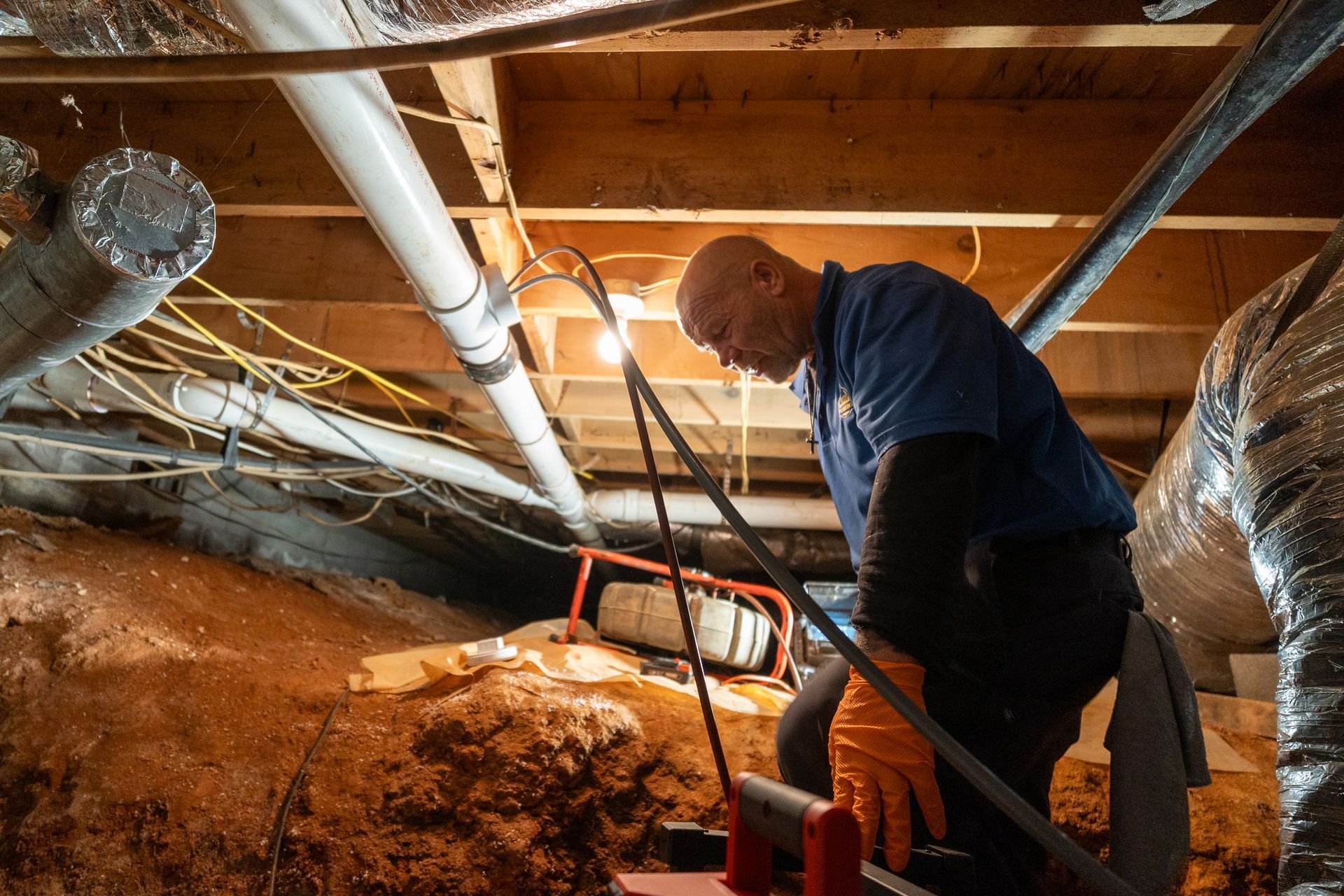
Decatur homes and nearby Decatur-area properties include older bungalows, renovated cottages, ranch houses, townhomes, condos, apartments, and busy commercial-adjacent spaces. Around Downtown Decatur, Oakhurst, Winnona Park, Clairmont Road, Scott Boulevard, and Columbia Drive, plumbing symptoms can show up in finished ceilings, tight cabinets, bathroom floors, older valve locations, and drain routes that are not obvious from the first puddle.
The right response starts by reducing the spread. A ceiling drip, wall stain, kitchen backup, floor drain smell, bathroom leak, or failed shutoff should be treated as a clue, not the whole diagnosis. Superior Plumbing works to identify whether the issue is clean water, drain water, odor, a valve failure, or a fixture connection before opening the wrong area or replacing the wrong part.
FAST ISSUE CHECK
Choose the closest description that matches what you're experiencing.
Choose an option to see practical first steps. If water, wastewater, or a strong plumbing odor is affecting a wall, ceiling, cabinet, bathroom, kitchen, floor drain, or valve area, stop using nearby fixtures and call 770-422-7586.
WHAT HAPPENS ON AN URGENT CALL
The stain, puddle, backup, or odor is where the problem became visible. The failed part may be above it, behind it, under it, or tied to the fixture used right before the symptom appeared.
Showering, flushing, washing dishes, running a disposal, starting laundry, or opening a valve can connect the symptom to a specific fixture path instead of the closest visible drip.
Cabinets, bathroom floors, drywall, ceiling cavities, baseboards, and low floor drain areas need protection while the technician determines whether water is still moving.
A good emergency visit should leave the homeowner knowing which fixture, drain, valve, heater, or room is safe to use again and what should stay off until the repair is complete.
DECATUR EMERGENCY PLUMBING PATTERNS
Aging pipe sections, fittings, and fixture connections can begin as a small drip in a cabinet, crawl area, utility space, or wall before the wet area spreads.
Ceiling stains below a bathroom, kitchen, laundry area, or heater space need careful tracing because water can travel along framing before it drops.
Bubbling paint, damp trim, soft drywall, a warm wall, or moisture near a baseboard can point to a hidden pipe or fixture connection behind the surface.
Toilets, tubs, showers, vanities, supply stops, drains, and overflows can leak into flooring or the room below depending on which part was used last.
Sink water that rises into the other bowl, disposal side, dishwasher connection, or cabinet base should not be pushed with more water or chemical guesses.
A sour, stale, or gas-like smell near a drain, laundry area, bathroom, kitchen sink, or floor drain needs more than air freshener if it keeps returning.
Low drains in laundry rooms, garages, basements, utility rooms, or slab-level spaces can release water or odor when the drainage path is restricted.
Spinning handles, stuck valves, leaking stems, or valves that do not fully stop the water can turn a manageable leak into a harder repair.
WARNING SIGNS THAT NEED ACTION
SOURCE BEFORE REPAIR
A ceiling leak may start at a toilet seal, tub overflow, shower part, fixture supply, or heater connection. A wall stain may come from a pipe hidden behind drywall. A kitchen backup may involve the trap, disposal, dishwasher tie-in, or branch drain. A floor drain odor may change depending on fixture use, trap condition, or drainage movement. Superior Plumbing compares these clues before recommending the repair.
The fixture used right before the water, stain, backup, or odor appeared often tells more than the room where the problem finally showed.
A shutoff that fails, leaks, or only slows the flow changes the repair plan because control has to come before cutting, tightening, or replacing parts.
Clean water leaks, drain backups, floor drain odor, and bathroom fixture leaks require different testing so the repair follows the cause.
EMERGENCY RESPONSE STEPS
Emergency plumbing work should make the home safer first, then identify the plumbing path involved. Superior Plumbing looks at fixtures, drains, valves, heater connections, wall and ceiling symptoms, odor location, and safe access before deciding the repair.
Protect from wet electrical areas, slippery floors, soaked ceilings, and contaminated water.
Determine whether the active issue involves a supply pipe, bathroom fixture, kitchen drain, floor drain, heater connection, or valve that is failing to control water.
Shut down only what can be safely controlled, avoid forcing fragile valves, stop unnecessary fixture use, and keep drain water or moisture from spreading into finished areas.
Match the repair to the confirmed failure, whether that is an old pipe section, wall leak, bathroom part, drain component, odor source, or shutoff valve.
Test the affected fixture, drain, heater area, valve, or room in stages so the homeowner knows what can be used and what still needs monitoring.
WHEN THE PROBLEM IS MORE THAN A SIMPLE DRIP
Towels, a plunger, air freshener, or another valve turn may hide the symptom for a few minutes, but recurring water, odor, or backup means the plumbing pattern needs to be checked.
REPAIR DECISION
Superior Plumbing starts with the immediate problem: stop the leak, control the backup, address the odor, or make the valve usable. Once the Decatur home is stable, the next decision depends on whether one part failed or the symptoms show a broader interior plumbing concern.
Call 770-422-7586 if the Decatur issue is active, spreading, or difficult to isolate. The room affected, fixture timing, odor location, and valve response help guide the next step.
DECATUR HOME JUDGMENT
Decatur-area homes can include older plumbing routes, newer renovations, compact bathrooms, finished ceilings under upstairs fixtures, slab-level drains, crawlspace access, and shutoff valves tucked into tight spaces. The same visible symptom can mean different things depending on what was used, where water appeared, and whether a valve actually controlled the flow.
A kitchen drain backup near a renovated cabinet, a ceiling stain below a bathroom, a wall leak near a vanity, a floor drain odor, or a stuck shutoff valve should be evaluated in context. The repair should make the home safe to use again without assuming the closest wet spot is the failed part.
WHY SUPERIOR PLUMBING
An emergency plumbing visit is not finished just because the drip slows down or the backed-up water is gone. Decatur homeowners need to know what was controlled, what was repaired, which fixture or drain can be used, whether the heater area or shutoff valve needs attention, and which room should still be watched for moisture.
Superior Plumbing has served Metro Atlanta since 1988 under the leadership of licensed master plumber Jay Cunningham. On urgent calls, the goal is to protect the home first, explain the cause in plain language, and confirm safe use step by step so homeowners are not left guessing after the technician leaves.
RELATED PLUMBING HELP
Once the active leak, odor, backup, or valve problem is controlled, the follow-up service should match the confirmed cause rather than the first visible symptom.
Help for old pipe leaks, ceiling leaks, hidden wall leaks, bathroom leaks, kitchen drain backups, drain odor, floor drain backups, and shutoff valve failures.
Current ServiceSupport for kitchen sinks, bathroom drains, laundry drains, tubs, showers, and floor drains that slow down, smell, overflow, or back up.
Checks for ceiling stains, wet drywall, cabinet moisture, bathroom leaks, old pipe drips, and water that appears away from the fixture.
Repair for toilet leaks, tub and shower leaks, vanity connections, fixture stops, overflows, and moisture reaching the floor or room below.
Help for tank leaks, pan overflow, relief valve discharge, connection leaks, and hot-water equipment affecting nearby floors or closets.
Support for leaking older pipes, failed fixture stops, stuck shutoff valves, dripping valve stems, and accessible pipe sections inside the home.
FAQs
Move belongings away from the wet area, avoid electrical contact, and use the closest safe shutoff only if it clearly controls the leak. Take note of where the drip started and whether the wet area is spreading.
Yes. Water can travel from a bathroom fixture, kitchen drain, laundry connection, heater area, or pipe hidden above the ceiling before it stains the drywall. Stop using the room or fixture above the stain until the source is checked.
Warning clues include soft drywall, bubbling paint, damp trim, musty odor, cabinet moisture, or a stain that grows after a fixture is used. A plumber should compare the moisture location with fixture timing before opening the wall.
No. Toilets are common sources, but tubs, showers, vanities, supply stops, drains, and overflow parts can also leak. The timing of the leak often helps identify whether flushing, showering, bathing, or sink use triggered it.
More water can push the backup into the other bowl, disposal side, dishwasher connection, cabinet base, or flooring. Stop running the sink and tell the technician whether the backup started during dishwashing, disposal use, or dishwasher drainage.
It can be, especially if the smell is strong, returns after water use, comes from a floor drain, or appears with bubbling or backup. Do not cover it with cleaners; note where the smell is strongest and when it changes.
Stop using nearby fixtures, keep people away from standing water if it may be contaminated, and call for help. Tell the plumber whether the floor drain bubbled, smelled, backed up after fixture use, or affected a finished room.
No. A stuck or brittle valve can break, leak worse, or fail completely. If the valve does not move normally or keeps leaking, it should be handled carefully so the water can be controlled before the repair continues.