Identify The System Involved
A floor leak, ceiling stain, pressure loss, or no-hot-water call can involve different parts of the plumbing. Sorting hot, cold, fixture, valve, and water heater clues keeps the response from drifting.

Don't Wait Till Its Too Late...Call The Honest Plumber!
Urgent Johns Creek Plumbing Help
Water under flooring, a damp ceiling, a sudden pressure drop, a leaking water heater, no hot water, a bathroom leak, or a shutoff valve that will not hold can damage a Johns Creek home quickly. Superior Plumbing helps homeowners control the water first, trace the symptom to the right pipe, fixture, valve, or hot-water component, and avoid tearing into finished areas before the source is proven.
Emergency intake is available for floor leaks, hidden interior leaks, wall and ceiling pipe leaks, sudden pressure loss, leaking water heaters, no-hot-water calls, bathroom plumbing leaks, and shutoff valves that will not control the water.




CONTROL THE PROBLEM FIRST
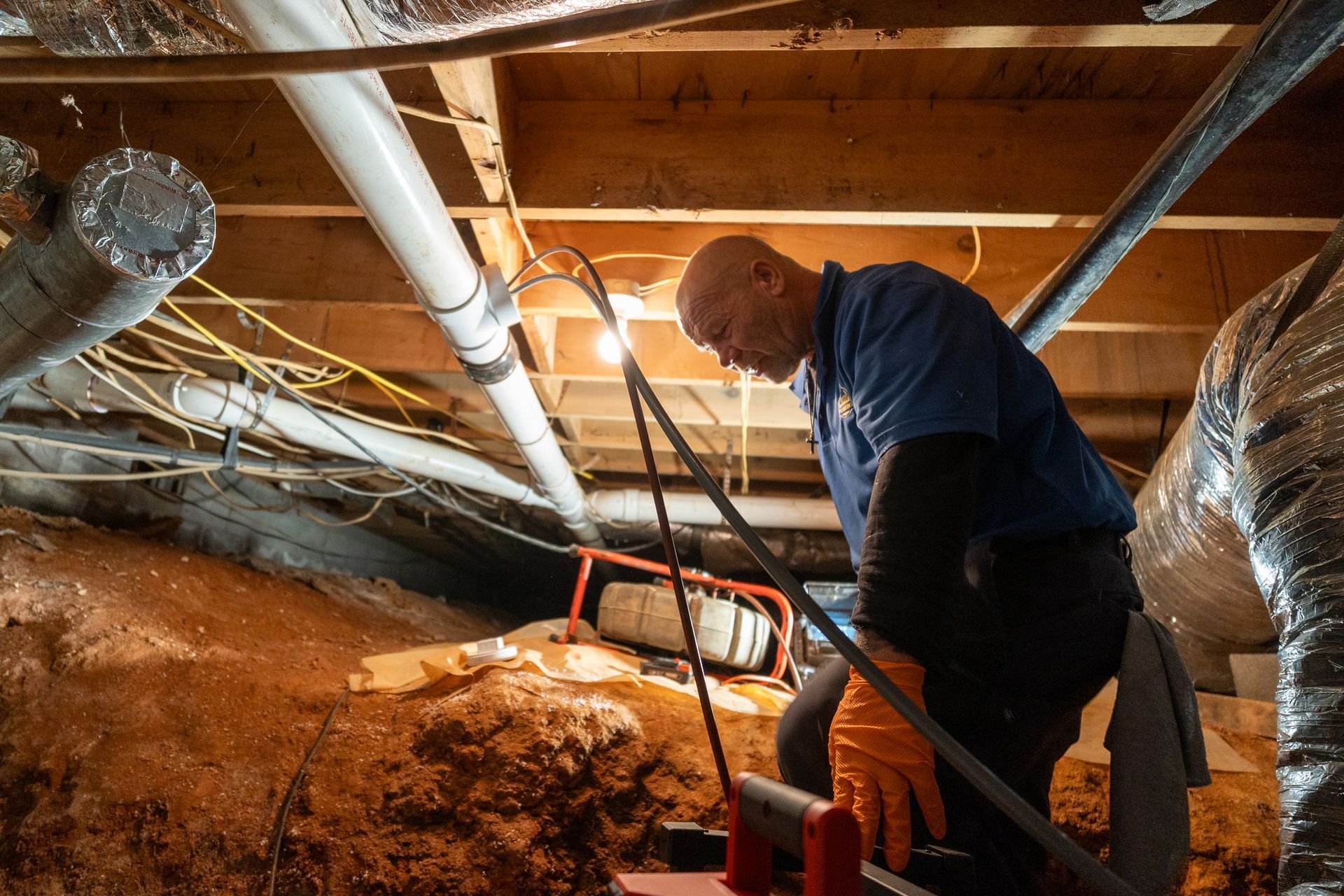
In Johns Creek, an emergency may appear as water seeping from under a finished floor, a stain below an upstairs bath, a pressure drop at several fixtures, or a water heater pan that suddenly starts filling. Homes may have slab areas, finished basements, upstairs bathrooms, mechanical closets, and renovated kitchens, so the first wet spot is not always the failed part.
The first move is to reduce exposure and identify which system is involved: pressurized hot or cold water, a fixture connection, a water heater component, a bathroom assembly, or a shutoff valve. That keeps the repair focused and helps prevent unnecessary openings in flooring, drywall, cabinets, or ceilings.
FAST ISSUE CHECK
Choose the closest description that matches what you're experiencing.
Select the closest pattern. If water is spreading, pressure dropped suddenly, hot water is unavailable, or a valve will not stop the flow, call 770-422-7586 and avoid testing more fixtures until the source is checked.
WHAT HAPPENS ON AN URGENT CALL
An urgent plumbing call should not jump straight from symptom to demolition. Superior Plumbing looks at where water first appeared, what changed in pressure or hot water, how the shutoff behaved, and which fixtures were used before the problem showed up.
A floor leak, ceiling stain, pressure loss, or no-hot-water call can involve different parts of the plumbing. Sorting hot, cold, fixture, valve, and water heater clues keeps the response from drifting.
Wet flooring, soaked trim, cabinet bottoms, and ceiling material are protected by stopping water movement first, then choosing the least disruptive access point that makes sense.
A leaking water heater connection, weak shutoff, hidden pipe leak, or bathroom fixture leak may look similar from the room side. Testing should confirm the cause before parts are changed.
JOHNS CREEK EMERGENCY PLUMBING PATTERNS
A warm spot, warped plank, wet carpet edge, or moisture coming from below tile can mean water is traveling under the finished surface before it finds an exit.
No fixture may be visibly spraying, but damp trim, musty air, soft drywall, or a rising meter reading can point to a concealed leak inside the home.
Ceiling stains, bubbling paint, and wet baseboards often show up away from the failed fitting because water follows framing and drywall seams.
A fast pressure change at several fixtures needs attention, especially when it happens with new moisture, valve movement, water heater issues, or sounds behind walls.
Pans, relief valves, cold-side connections, hot-side fittings, and tank areas can release water that spreads into nearby flooring or mechanical rooms.
Loss of hot water during normal use may involve the water heater, a control issue, a valve position, or a plumbing connection that needs checked before more demand is placed on the system.
Toilets, tubs, showers, vanities, supply stops, and overflows can send water into flooring, walls, or the room below depending on the fixture used last.
A shutoff that spins, drips, sticks, or fails to close changes the emergency because the home may not have a reliable way to control water during repair.
DO NOT WAIT ON ACTIVE WATER
TRACE BEFORE OPENING
A ceiling drip may begin at a bathroom valve above it. A pressure drop may connect to a hidden pipe leak instead of a single faucet. A no-hot-water call may point to the water heater, a valve, or a failed connection. Odors, splashback, fixture timing, shutoff behavior, and wall or ceiling symptoms all help narrow the repair before the wrong surface is opened.
Showering, flushing, running laundry, using a vanity, or drawing hot water can reveal which path was active before the leak or pressure change appeared.
A shutoff that leaks, spins, or only partly closes changes the repair plan because water control must be dependable before work proceeds.
The repair should target the pipe, heater connection, bathroom component, or valve proven by the pattern, not just the spot where water became visible.
JOHNS CREEK RESPONSE STEPS
Urgent work should slow the damage, identify the system involved, test the right fixtures and valves, and confirm the home can be used safely again. The process is practical because every minute matters when water is moving.
Protect from wet electrical areas, slippery floors, soaked ceilings, and contaminated water. Keep people and stored items away from the affected room until the source is controlled.
Determine whether the emergency involves hot water, cold water, a bathroom fixture, a water heater, an interior pipe, pressure loss, or a valve that cannot hold.
Use fixture timing, valve response, moisture location, temperature, pressure behavior, and visible connections to narrow the likely failure point.
Repair the pipe section, valve, water heater connection, fixture part, supply stop, or bathroom component that the diagnosis connects to the symptom.
Restore use in stages, recheck pressure and hot water where needed, and explain what can be used normally versus what should be monitored.
WHEN IT MAY BE MORE THAN A SIMPLE FIXTURE ISSUE
Some emergencies begin at one fixture but point to a larger interior plumbing correction when the symptom returns, spreads, or affects water control. That is especially true with hidden floor leaks, wall and ceiling moisture, pressure loss, water heater leaks, no hot water, bathroom leaks, and failed shutoff valves.
REPAIR DECISION
The first goal is to stop active damage. After the Johns Creek home is stable, Superior Plumbing separates a contained emergency repair from a larger correction by looking at recurrence, pressure behavior, valve reliability, hot-water performance, and hidden moisture paths.
Call 770-422-7586 if the Johns Creek issue is spreading, returning, or difficult to isolate. The room involved, fixture timing, pressure change, water temperature, and shutoff response help determine the next repair step.
JOHNS CREEK HOME CONDITIONS
Johns Creek homes can include finished basements, slab areas, upstairs bathrooms, utility rooms, mechanical closets, and remodeled spaces where plumbing is not always easy to see. A small leak can travel along framing, under flooring, or through ceiling material before it shows itself.
That is why a pressure loss, water heater leak, no-hot-water problem, bathroom leak, hidden wall leak, floor moisture, or failed shutoff should be diagnosed from the full pattern. The right repair starts with controlling water and proving the source, not with guessing from the wettest surface.
WHY SUPERIOR PLUMBING
When water is under flooring, coming through a ceiling, weakening pressure, leaking from a water heater, or refusing to stop at a valve, the important question is not just how fast someone can arrive. The repair has to be directed by sound plumbing judgment so the immediate fix does not miss the reason the emergency happened.
Superior Plumbing is led by licensed master plumber Jay Cunningham, and that leadership shows up in how urgent calls are evaluated: control the water, identify the system involved, test the right clues, and explain the repair path in plain language. For Johns Creek homeowners, that means the call is handled as a decision-making problem, not just a race to replace parts.
RELATED PLUMBING SERVICES
Once the active problem is under control, the follow-up depends on the proven cause. A floor leak, wall stain, pressure drop, water heater leak, no-hot-water problem, bathroom leak, or failed shutoff can each lead to a different repair path.
Floor leaks, hidden interior leaks, wall and ceiling pipe leaks, sudden pressure loss, leaking water heaters, no-hot-water calls, bathroom leaks, and failed shutoff valves.
Current ServiceChecks for water appearing under floors, inside walls, above ceilings, behind cabinets, or near fixtures without an obvious source.
Repair help for leaking pans, valve discharge, failed connections, loss of hot water, and water heater areas affecting nearby floors.
Service for toilet, tub, shower, vanity, supply stop, overflow, and fixture leaks that can spread into floors or ceilings.
Evaluation of sudden pressure loss, fixture pressure changes, valve behavior, and plumbing clues that show up during normal use.
Repair for shutoff valves that stick, drip, spin, fail to close, or cannot safely control water during an urgent plumbing issue.
FAQs
Stop using nearby fixtures, avoid walking through wet areas, move belongings away from the moisture, and call for help. Note whether the floor feels warm, which fixtures were used last, and whether the moisture is spreading.
The technician compares moisture location, fixture timing, water temperature, pressure behavior, valve response, and accessible plumbing points. That helps narrow the source before opening walls, floors, cabinets, or ceilings.
Not always. Water can travel along framing, drywall seams, pipe paths, and trim before it shows. The fixtures above or nearby should be checked in stages instead of assuming the drip is directly below the failure.
It can, especially if the pressure drop happens quickly, affects several fixtures, follows valve movement, or appears with moisture, water heater trouble, or wall sounds. Stop testing fixtures if water damage is also present.
Keep clear of standing water, avoid wet electrical areas, and do not keep drawing hot water to test it. If there is a safe shutoff that clearly controls the heater, use it, then call for repair guidance.
Yes, especially when no hot water comes with a leaking heater, valve problem, pressure change, unusual noise, or water around the mechanical area. The cause should be checked before the system is put under more demand.
Toilets, tubs, showers, vanities, supply stops, drains, and overflows can leak through flooring and ceiling material. The timing of the leak after flushing, showering, or sink use is a key clue.
Do not force a valve that feels stuck, brittle, or likely to break. A failed shutoff can make the emergency worse, so a plumber should determine the safest way to control the water and repair the valve.