Use The First Symptom As A Clue
The room where the water appeared, the fixture used right before it happened, and whether the moisture is clean, hot, cold, or backed-up water all help point the visit in the right direction.

Don't Wait Till Its Too Late...Call The Honest Plumber!
Urgent Marietta Plumbing Help
A ceiling stain below a bathroom, a kitchen sink pushing water back into the basin, an older pipe dripping inside a cabinet, or a water heater leaking across the floor needs more than a towel and a guess. Superior Plumbing helps Marietta homeowners control active water, find hidden interior leaks, repair leaking pipes, fixtures, heaters, and shutoff valves, and confirm what can be used again before the home returns to normal water use.
Emergency intake is available for old pipe leaks, hidden interior moisture, plumbing ceiling leaks, wall or ceiling pipe leaks, bathroom fixture leaks, kitchen drain backups, water heater leaks, and shutoff valves that will not control the water.




CONTROL THE PROBLEM FIRST
Marietta homes can range from older houses near the Square and Whitlock Avenue to renovated ranches, split-level homes, townhomes, apartments, and newer subdivisions across Cobb County. That variety matters when a leak appears in one room but starts in another, or when a kitchen drain backup shows up during a busy evening of sink and dishwasher use.
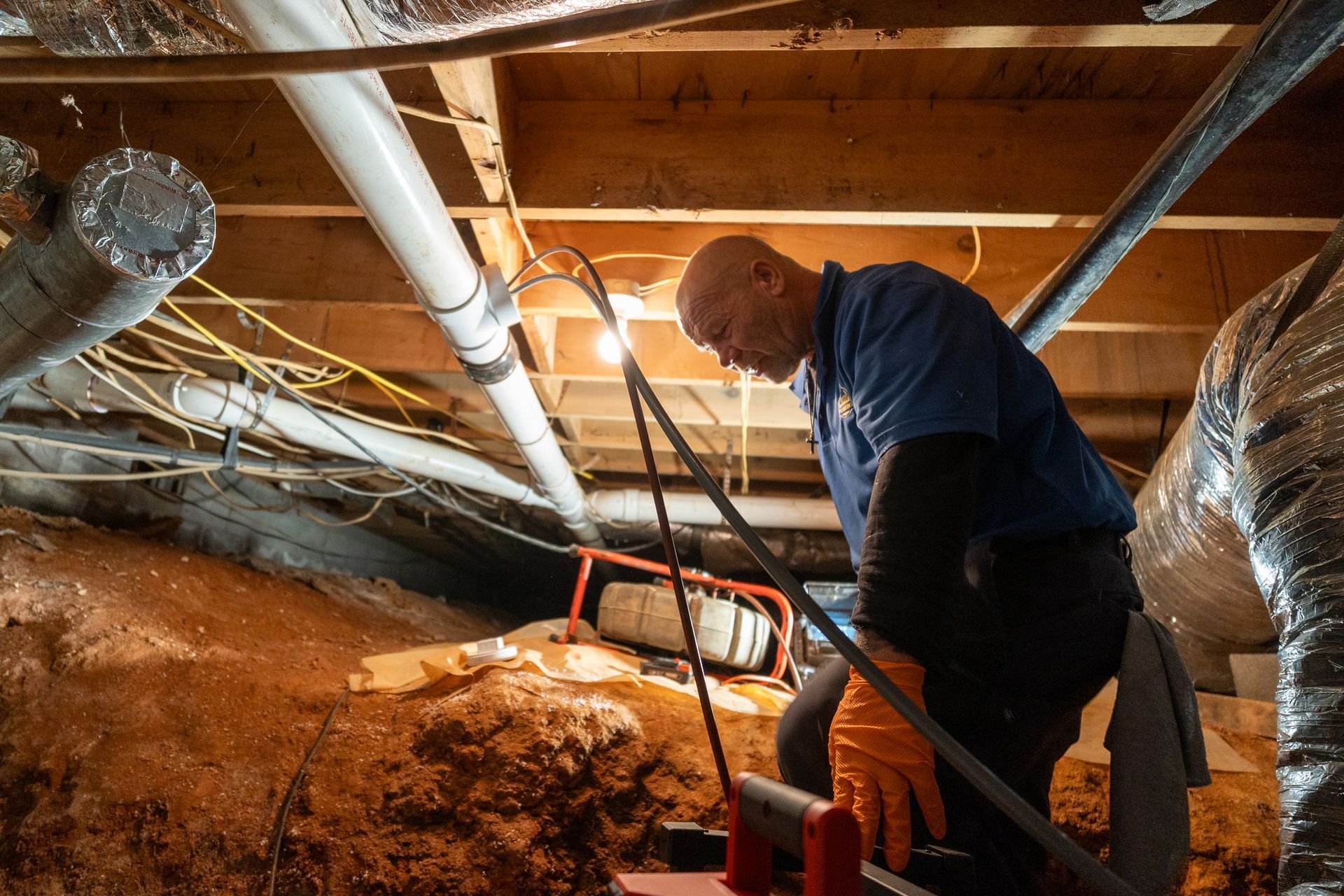
The first move is to reduce damage and separate the symptom from the cause. A ceiling leak may trace to an upstairs bath. A wet cabinet may come from an older supply stop, faucet connection, or drain part. A shutoff valve that will not hold can change the whole repair plan. Superior Plumbing focuses on controlling the emergency before opening walls, ceilings, cabinets, or flooring.
FAST ISSUE CHECK
Choose the closest description that matches what you're experiencing.
Select the pattern that fits the emergency. For active water in a finished room, a kitchen backup, a leaking water heater, or a valve that will not stop the flow, call 770-422-7586 after moving away from wet electrical areas.
HOW THE CALL GETS SORTED
A plumbing emergency can begin as a drip, stain, backup, soaked cabinet, heater leak, or valve that refuses to close. The visible water matters, but the repair should follow the plumbing route and the fixture timing instead of assuming the first wet surface is the failed part.
The room where the water appeared, the fixture used right before it happened, and whether the moisture is clean, hot, cold, or backed-up water all help point the visit in the right direction.
Cabinets, ceilings, drywall, trim, flooring, insulation, and nearby electrical areas can take damage while a homeowner is still trying to find the source. The response starts by limiting that exposure.
A bathroom leak may involve a supply stop, drain, toilet seal, tub overflow, or wall pipe. A kitchen backup may be the trap, disposal connection, or branch drain. Testing keeps the repair from becoming guesswork.
COMMON MARIETTA EMERGENCY PATTERNS
These are the urgent situations where stopping the spread and finding the source matter before normal fixture use resumes.
A small drip from an older pipe, elbow, coupling, or fixture supply can soak cabinets, closets, or ceiling cavities before the homeowner sees where it began.
Soft drywall, swelling trim, musty cabinet space, or flooring that feels damp can mean water is traveling behind the surface from a concealed plumbing point.
Water on the ceiling below a bathroom, laundry area, kitchen, or heater closet may be the end of a path that started above the finished surface.
Bubbling paint, warm spots, recurring dampness, or a drip heard inside a cavity should be traced carefully before anyone opens the wrong area.
Toilets, tubs, showers, vanities, faucet supplies, and drain connections can leak into floors or rooms below depending on what was used last.
Water rising into the sink, disposal side, dishwasher connection, or cabinet base can damage the kitchen quickly if more water is sent into the drain.
A leaking tank, valve, pan, connection, or nearby piping can move across utility rooms, garages, closets, or finished flooring before the heater is isolated.
A valve that spins, leaks, sticks, or only slows the water can keep an emergency active until a safer control point and repair plan are confirmed.
DO NOT WAIT ON ACTIVE WATER
TRACE THE SOURCE
A ceiling drip can start at a shower valve, toilet seal, tub overflow, supply line, or pipe above it. Wall moisture can travel from a hidden fitting before it shows at the baseboard. A kitchen drain backup may involve the trap, disposal side, dishwasher connection, or branch drain. Superior Plumbing compares the leak location with fixture use, valve behavior, heater condition, and access points before recommending the repair.
The repair path changes depending on whether the symptom follows a shower, toilet, sink, dishwasher, laundry cycle, water heater, or a valve being opened or closed.
Fixture stops, heater valves, and the main shutoff are checked for safe control before a leaking part is removed or a concealed area is opened.
Testing helps separate a bad pipe, drain component, fixture seal, heater connection, or shutoff valve from the surface where the water finally appeared.
MARIETTA RESPONSE STEPS
Urgent plumbing work should reduce exposure first, then identify the system involved and match the repair to the cause. The goal is to stop the emergency without creating unnecessary openings or leaving the homeowner unsure about what can be used.
Protect from wet electrical areas, slippery floors, soaked ceilings, and contaminated water. Keep people and belongings away from the affected room until the source is checked.
Determine whether the emergency is connected to a supply pipe, drain, bathroom fixture, kitchen sink, water heater, concealed pipe route, or shutoff valve.
Use safe fixture stops, heater controls, or the main shutoff when appropriate, while avoiding valves that are stuck, leaking, brittle, or already failing.
Replace or repair the pipe section, valve, fixture connection, drain component, bathroom part, or heater connection that testing ties to the emergency.
Fixtures, drains, the heater, valves, and moisture-affected rooms are reviewed so the homeowner knows what can be used and what still needs monitoring.
WHEN A SIMPLE FIX MAY NOT HOLD
Some plumbing problems look isolated until the water returns, the stain spreads, or the shutoff does not stop the flow. Those patterns call for a deeper check before normal water use resumes.
REPAIR DECISION
Once the Marietta home is stabilized, the next question is whether one failed part can be corrected or whether the pattern points to a bigger interior plumbing concern. Superior Plumbing separates those decisions so the urgent repair does not turn into unnecessary work.
Call 770-422-7586 if the Marietta emergency is spreading, returning, or hard to isolate. The room involved, last fixture used, and shutoff response help determine the next step.
MARIETTA HOME CONDITIONS
Marietta includes historic homes, mid-century ranches, split-level layouts, townhomes, apartments, and newer properties spread across Cobb County. Plumbing access can vary from open utility areas to tight cabinets, finished basements, second-floor bathrooms, garage water heaters, and ceiling cavities below living space.
That is why an old pipe leak, hidden interior leak, ceiling stain, wall moisture, bathroom leak, kitchen drain backup, water heater leak, or shutoff valve failure should be read as a full pattern. The repair should protect the home first, then confirm the source before fixtures, drains, the heater, or affected rooms are put back into use.
WHY SUPERIOR PLUMBING
During an emergency, the repair is only part of the job. A Marietta homeowner also needs to know whether the toilet can be flushed, the shower can be used, the kitchen sink should stay off, the heater is safe to run, or a wet room should be avoided until moisture is handled. Superior Plumbing approaches urgent calls with that practical next-step thinking.
With long Metro Atlanta history and licensed master plumber leadership, the visit is built around control, diagnosis, repair, and confirmation. The technician looks at the fixture, drain, heater, valve, and room conditions involved so the home does not go right back to the same leak or backup after the truck leaves.
RELATED REPAIR OPTIONS
Once the active water is controlled, the right follow-up depends on the confirmed source. A ceiling stain, hidden leak, kitchen backup, bathroom fixture issue, heater leak, or failed shutoff valve can lead to different repair work.
Old pipe leaks, hidden interior leak detection, plumbing ceiling leaks, wall or ceiling pipe leaks, bathroom leaks, kitchen drain backups, water heater leaks, and shutoff valve repair.
Current ServiceHelp for kitchen sinks, disposals, dishwasher connections, tubs, showers, and fixture drains that slow down, overflow, or back up during use.
Checks for ceiling stains, wet drywall, damp cabinets, soft flooring, bathroom leaks, and water that appears away from the fixture.
Repair for toilet leaks, tub and shower leaks, vanity supply problems, loose fixture connections, drain leaks, and wet flooring near bathroom fixtures.
Help for leaking tanks, relief valve discharge, connection leaks, pan overflow, and heater-area water that threatens nearby floors or storage.
Support for leaking older pipes, failed fixture stops, stuck shutoff valves, dripping valve bodies, and accessible interior pipe sections.
FAQs
Move items away from the wet area, avoid electrical contact, and use a safe shutoff only if it clearly controls the leak. Do not keep flexing or tightening an older pipe that looks brittle, corroded, or unstable.
A plumber compares moisture location, fixture timing, nearby valves, heater use, and access points before deciding where to open or repair. The goal is to confirm the route instead of chasing the first damp surface.
Yes. Water can travel through framing before it appears on the ceiling below. Showers, tubs, toilets, vanities, laundry fixtures, kitchen fixtures, and heater connections above the stain all need to be considered.
Bubbling paint, soft drywall, damp trim, warm or cool spots, recurring moisture, a musty cabinet, or a drip sound inside a cavity can all point to a concealed plumbing leak.
No. Bathroom leaks can come from a toilet seal, supply stop, vanity connection, shower valve, tub drain, overflow, faucet, or pipe in the wall. What was used right before the leak appeared is an important clue.
Stop running water into the sink, pause the dishwasher if it is connected to the issue, and avoid using chemical cleaners during an active backup. Note whether water came up through one basin, both basins, the disposal side, or the cabinet area.
It can be, especially if water is leaving the pan, spreading across flooring, or coming from a tank, valve, or connection. Avoid standing water near electrical components and call for help before the area spreads.
Do not force a valve that feels stuck, weak, or ready to break. A plumber can find the safest control point, repair the failed valve, and confirm the water can be controlled before the home resumes normal use.