
Classify Continuous Vs Intermittent
Observe whether moisture continues during complete no-use or appears only after a fixture, circulation period, or equipment cycle.


Don't Wait Till Its Too Late...Call The Honest Plumber!
Sandy Springs Vertical-System Emergency Analysis
Water appearing beneath a condominium slab, pressure changing across several floors, or a warm ceiling stain near Perimeter can involve a unit branch, circulation return, or building riser. Superior Plumbing classifies the water by temperature, timing, meter behavior, and vertical route before assigning the failure to a specific pressure zone.
Emergency intake remains open 24/7 for vertical leaks, pressure-zone loss, hot-water circulation trouble, ceiling migration, and plumbing failures that cross unit boundaries.
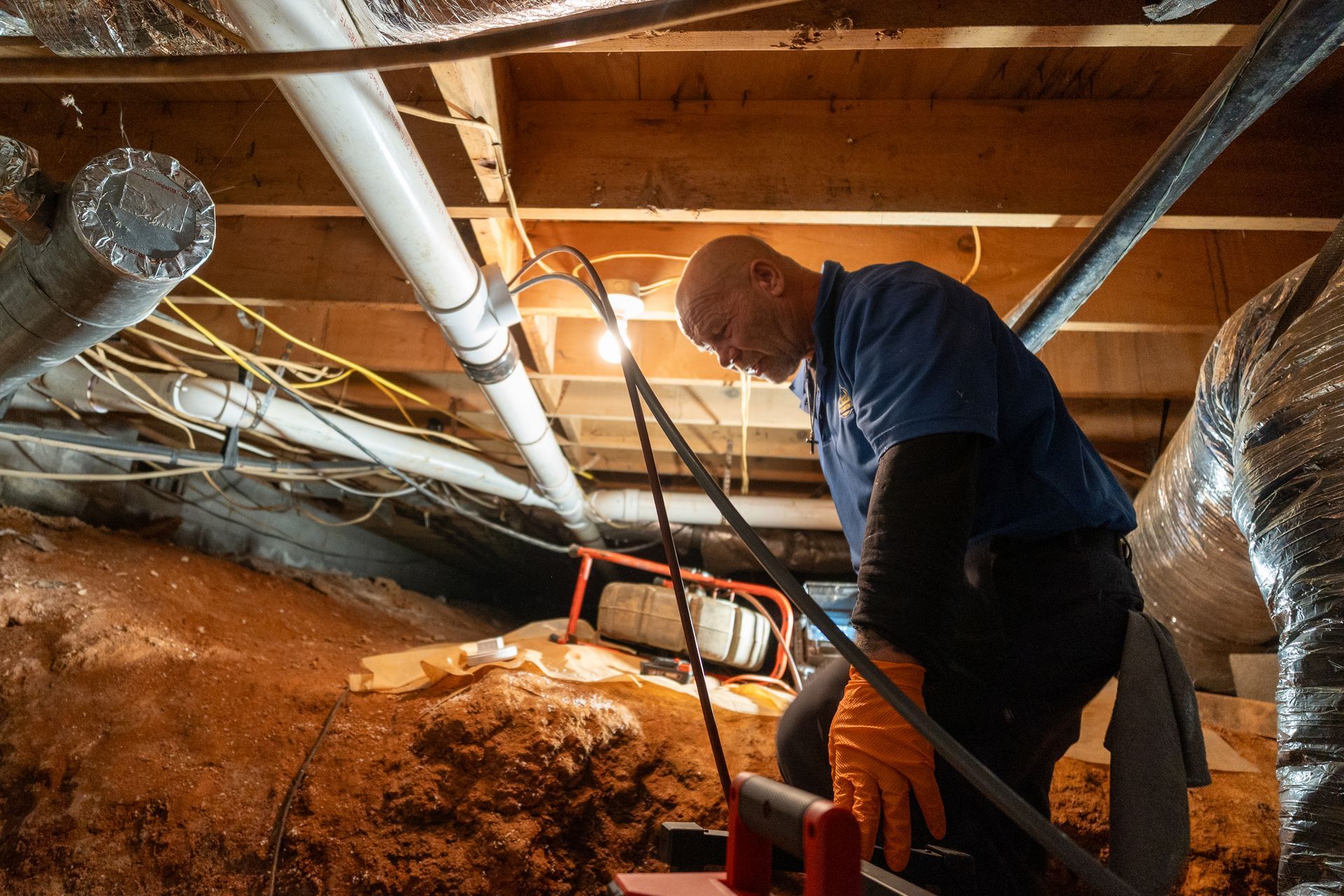




CLASSIFY BEFORE ISOLATING
Detached neighborhoods, apartment communities, medical offices, hotels, restaurants, and high-rise buildings place plumbing behind very different access conditions. A ceiling stain in one setting may be a nearby fixture branch; in another, it may be a common hot-water return or vertical supply several floors away.
The first response should determine whether the water is continuous, tied to fixture demand, warm, cold, or shared across floors. Once ownership of the active line is clear, the property can move into scheduled system repairs with the correct building contact and isolation boundary documented.
SANDY SPRINGS SOURCE CLASSIFIER
Choose the closest pattern. The result organizes branch isolation, riser access, hot-water circulation, pressure zones, and floor relationships before a technician confirms the source.
Select the pattern that fits the incident. If water is entering an occupied Sandy Springs area, call 770-422-7586 and keep the affected zone restricted.
SOURCE ATTRIBUTION
A warm stain that cycles may point toward hot-water distribution, while cool continuous water can indicate another pressure line. Floor relationships and meter response help prevent a unit branch from being blamed for a shared riser—or the reverse.
Observe whether moisture continues during complete no-use or appears only after a fixture, circulation period, or equipment cycle.
Water temperature, hot-water availability, gauge behavior, and affected floors narrow the active pressure zone.
A unit stop, floor valve, riser valve, or building main is selected only after the line serving the symptom is identified.
VERTICAL PROPERTY FAILURES
A fixture or appliance line can move water through penetrations and slab edges before it appears in the ceiling or parking level below.
Warm moisture, delayed hot-water delivery, or temperature changes across floors can indicate a circulation or vertical distribution problem.
Several fixtures or floors may lose stable pressure together when a regulator, control valve, or shared supply arrangement stops performing.
A lower unit or common-area drain may respond only when discharge from a particular vertical stack reaches a restricted section.
RESTRICT THE AFFECTED ZONE
VERTICAL SOURCE ANALYSIS
Concrete slabs, wall chases, pipe penetrations, ceilings, and parking structures can redirect water before it drops. The repair location should be supported by meter response, temperature, floor alignment, and controlled isolation.
Continuous or event-driven flow, warm or cool temperature, and pressure change identify the likely system category.
Local stops, floor plans, vertical stacks, equipment rooms, and approved building valves define the possible source boundaries.
A controlled isolation must change the leak pattern before the ceiling, wall, slab access, or chase is assigned to repair.
VERTICAL ISOLATION SEQUENCE
The response classifies the water, protects the occupied area, compares unit and shared systems, repairs the verified source, and restores service one boundary at a time.
Record temperature, continuity, odor, timing, meter movement, hot-water availability, and every floor where the symptom appears.
Keep people away from wet electrical equipment, ceiling hazards, wastewater, slippery surfaces, and active slab penetrations.
Use approved unit or branch controls first, then coordinate floor or riser valves only when the evidence requires a broader boundary.
Correct the unit line, common riser, circulation return, pressure component, drain stack, or equipment connection proven by testing.
Return the repaired unit, floor, or zone in stages while meters, temperatures, pressure, and the original leak location are observed.
MULTI-FLOOR SYSTEM EVIDENCE
Shared-system involvement becomes likely when a local shutoff does not change the symptom, multiple floors react together, or a common riser, return, stack, or pressure component serves every affected space.
UNIT REPAIR OR SHARED-SYSTEM SCOPE
Emergency control may stop damage in one space, but the lasting scope depends on whether the failure belongs to that unit or to distribution shared by several occupants.
For a Sandy Springs leak that may cross unit or floor boundaries, phone 770-422-7586 with the affected levels, water temperature, local valve results, building contact, and any meter or submeter change.
SANDY SPRINGS PROPERTY CONTEXT
Sandy Springs combines established residential areas with Roswell Road, City Springs, Central Perimeter, North End, Powers Ferry, Crossroads, and other commercial or mixed-use districts. The city also follows more than twenty miles of Chattahoochee River shoreline.
That range affects access and ownership: one call may involve a private house branch, another a condominium unit, hotel floor, medical suite, restaurant, office riser, or shared hot-water system. The service plan should name the responsible plumbing boundary before work begins.
EVIDENCE BEFORE A BUILDING-WIDE SHUTDOWN
Emergency call intake continues around the clock. For a vertical-property incident, the useful questions are specific: Is the water warm? Does it continue during no-use? Which floor changed pressure? Did the unit valve alter the pattern?
Those answers help protect both detached homes and complex properties where a premature shared-valve decision could interrupt several occupants without reaching the failed line.
LIKELY SYSTEM FOLLOW-UP
Once testing fixes the active boundary, follow-up may concern a unit drain, common stack, heater, circulation loop, buried supply, or toilet connection. The cards below are informational, unlinked, and do not assume the diagnosis.
Vertical source attribution for unit leaks, riser failures, pressure-zone instability, hot-water circulation trouble, and cross-floor water migration.
Current ServiceClear or repair a branch that affects one residence, suite, kitchen, bathroom, or appliance group without disrupting the entire stack.
Evaluate common drainage when several floors or occupancies react to discharge on the same vertical route.
Correct tanks, mixing components, circulation returns, vertical hot risers, and connections that affect temperature or release warm water.
Trace pressure loss or continuous meter demand between the public connection, building entry, and interior distribution zones.
Resolve an overflow or refill failure while verifying whether the fixture belongs to a unit branch or shared stack condition.
RISER AND PRESSURE-ZONE QUESTIONS
The source may be a pressurized line, shared riser, circulation return, neighboring branch, or equipment connection outside the unit. Local valve results, meter behavior, temperature, and floor alignment should be compared before access begins.
No. Warm moisture can also come from a hot branch, return loop, mixing assembly, or vertical hot riser. The heater may be operating normally while another part of the distribution system leaks.
Only an authorized person should operate a shared building valve. Use a clearly identified unit shutoff when safe, restrict the wet area, notify the building contact, and report whether local isolation changed the leak.
A shared regulator, floor valve, riser, booster arrangement, private service, or high-demand event may affect more than one level. Record which zones changed simultaneously and avoid random valve adjustments.
Yes. Water can move along penetrations, joints, sleeves, and the slab surface before finding a lower opening. The visible drop point may not sit beneath the failed pipe.
The technician compares approved shutoffs, meters or submeters, floor plans, fixture response, pressure, temperature, and changes during controlled isolation. The boundary is assigned only when a test alters the symptom.
Yes. The phone line remains available overnight. Provide the property type, affected floors, water temperature, whether flow continues during no-use, local valve results, and the building contact who can authorize shared access.
Gather unit and floor numbers, first report time, fixture activity, hot-water or pressure changes, meter data when available, valve labels, access contacts, photos taken safely, and the areas currently restricted.