Trace Moisture Before Opening Surfaces
The technician follows damp flooring, baseboards, cabinets, wall marks, and nearby fixture connections so access is directed by the moisture path rather than the largest visible stain.

Don't Wait Till Its Too Late...Call The Honest Plumber!
Emergency Plumbing Help For Suwanee Homes
Water can show up beneath flooring, pressure can drop without warning, a water heater can begin leaking, or a bathroom or outdoor faucet can keep running after the handle is closed. Superior Plumbing helps Suwanee homeowners limit the immediate damage, identify which part of the plumbing system changed, and choose the repair from pressure, moisture, temperature, fixture, and valve evidence.
Be ready to describe where the symptom started, whether it affects one fixture or the whole house, whether the water is warm or cool, and how any accessible shutoff responded. Those details help the call begin with useful evidence instead of a guess.




LIMIT THE DAMAGE BEFORE TESTING MORE FIXTURES
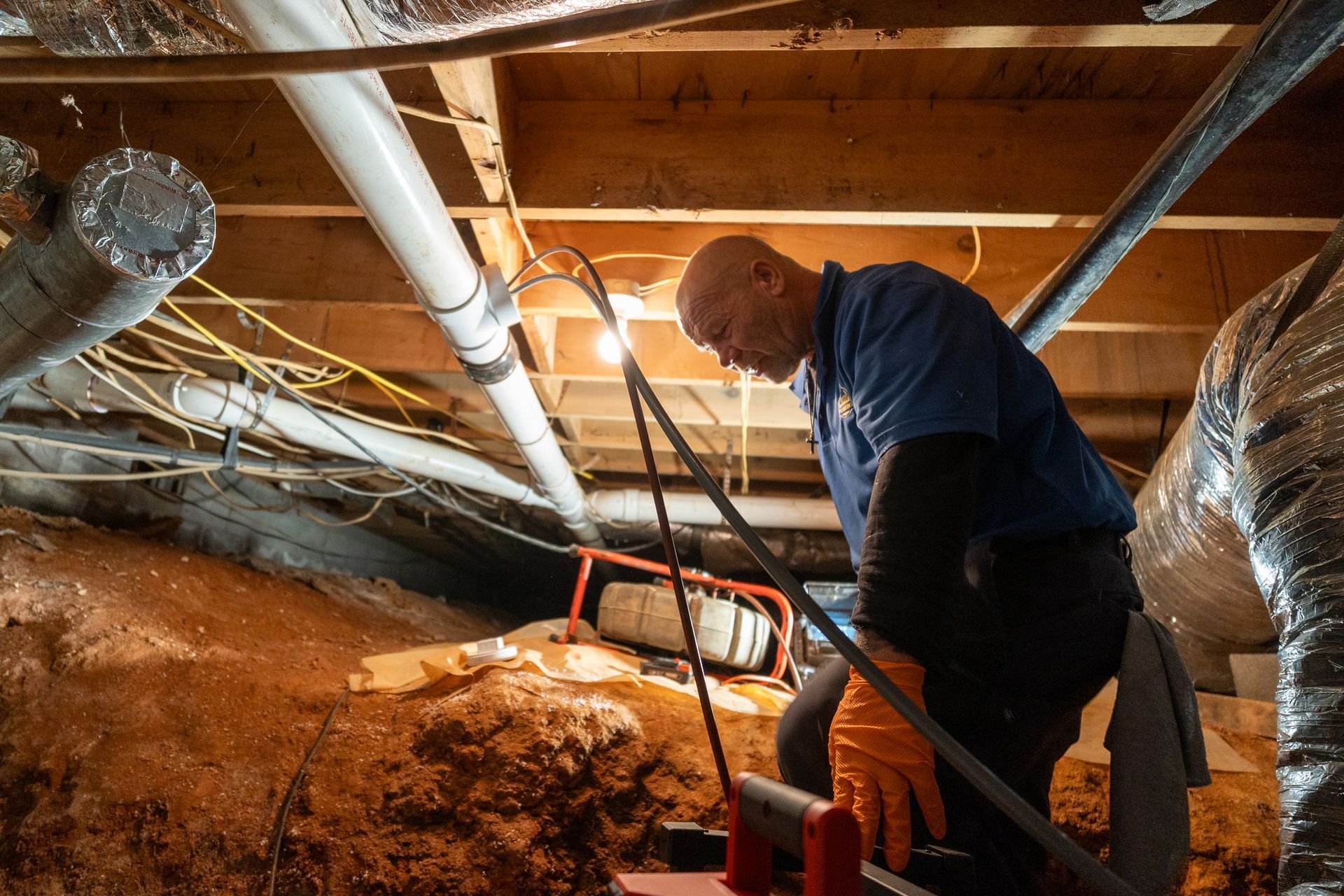
Plumbing in Suwanee homes and townhomes may run beneath finished floors, behind bathroom walls, through cabinets, and into utility spaces. A leak under flooring may begin at a nearby fixture connection, while low pressure can come from one closed valve, one failing fixture, or a problem affecting several outlets at once.
Start with the safest available control. Leave affected fixtures off, keep clear of water near electrical equipment, and note whether the symptom changes when hot water, cold water, or a specific bathroom is used. Containment comes first; the repair should follow the evidence after the active risk is reduced.
QUICK EMERGENCY ISSUE SORTER
Choose the closest description that matches what you're experiencing.
Choose the closest symptom for practical first steps. Keep people away from wet electrical areas and slippery floors, stop using the affected fixture or appliance, and call 770-422-7586 when water cannot be controlled safely.
WHAT THE TECHNICIAN SHOULD CONFIRM
Water under a floor, weak pressure, no hot water, and a leaking bathroom fixture do not point to the same repair. A useful emergency visit protects the home, tests the system in a controlled order, and shows why the recommended work matches the actual failure.
The technician follows damp flooring, baseboards, cabinets, wall marks, and nearby fixture connections so access is directed by the moisture path rather than the largest visible stain.
Cold-side, hot-side, fixture-specific, and whole-house pressure are compared before valves are moved or components are removed.
The repaired fixture, heater, exterior faucet, hidden connection, or shutoff is tested in stages before normal use resumes.
SUWANEE EMERGENCY PLUMBING GUIDE
Buckled flooring, damp seams, warm spots, or moisture appearing along a baseboard can mean water is traveling beneath the finished surface before it becomes visible.
Several weak fixtures, a sudden change between hot and cold flow, or pressure that drops only in one bathroom helps narrow whether the issue is local or affects a larger part of the home.
Puddles near the tank, water in the drain pan, dripping connections, or moisture around the base require the heater to be left off and the surrounding area protected until the leak is identified.
A sudden loss of hot water may involve the heater, a control, a leak, or a supply condition; repeated resets or continued use can hide the clue that separates those possibilities.
Moisture inside a wall or ceiling may first show up as peeling paint, a soft baseboard, a musty area, or the sound of water where no fixture is running.
An exterior faucet that drips, sprays behind the wall, or will not shut off can send water into siding, a crawl area, or the interior wall instead of only onto the ground.
Vanity supplies, faucet bodies, tub and shower components, toilet connections, and fixture drains can release water into cabinets, flooring, wall cavities, or the room below.
A local or main shutoff becomes part of the emergency when it is stuck, leaks at the stem, turns without controlling flow, or cannot isolate the affected fixture.
SIGNS THE PLUMBING FAILURE IS STILL ACTIVE
FOLLOW THE WATER, PRESSURE, AND TEMPERATURE CLUES
Water can travel beneath flooring, run down framing from a bathroom, or collect near a heater even when the failed connection is above or beside the visible puddle. Pressure loss and no-hot-water symptoms add another layer. Superior Plumbing compares the moisture path, water temperature, fixture pattern, heater condition, and shutoff response before deciding where the repair belongs.
Floor seams, baseboards, cabinets, ceilings, wall marks, and nearby plumbing locations show where water may have traveled before it surfaced.
One fixture, one bathroom, hot-only, cold-only, and whole-house pressure patterns help separate a local restriction or valve issue from a wider supply-side symptom.
Controlled checks of the heater, bathroom connections, exterior faucet, and accessible shutoffs should support the repair before finishes are opened or parts are replaced.
FROM ACTIVE SYMPTOM TO CONTROLLED RESTART
The process identifies whether the active evidence points to an under-floor or hidden leak, a pressure change, the water heater, a bathroom fixture, an exterior faucet, or a shutoff that is no longer controlling water correctly.
Protect from wet electrical areas, slippery floors, soaked ceilings, and contaminated water.
Determine whether the first change involved moisture, pressure, hot water, a bathroom fixture, an outdoor faucet, or a local or main shutoff.
Leave affected plumbing out of use, protect nearby finishes, and inspect reachable controls without forcing a stuck valve or repeatedly testing the leak.
Repair the pipe, connection, heater component, fixture part, hose bib, or shutoff supported by the inspection rather than replacing unrelated parts.
Return water in stages, recheck pressure, temperature, moisture, and valve operation, then explain what can be used normally again.
CLUES THE FAILURE IS NOT LIMITED TO ONE PART
A leaking faucet connection or failed heater fitting may be a focused repair. The scope becomes broader when moisture spreads beyond one point, pressure changes across several fixtures, or the available shutoffs cannot provide dependable control.
DECIDE WHAT MUST BE FIXED NOW AND WHAT DOES NOT
Once the active water or loss of service is controlled, the scope should follow the confirmed cause. One failed fitting, fixture part, hose bib, heater connection, or valve may call for a focused repair. Repeating symptoms or unreliable control may support a larger correction.
Call 770-422-7586 when water is spreading beneath flooring, the heater continues leaking, pressure drops across the home, or a Suwanee plumbing problem cannot be isolated safely. Superior Plumbing can explain what must be repaired now and what broader correction, if any, is supported by testing.
SUWANEE PLUMBING JUDGMENT
Suwanee properties do not all expose plumbing the same way. A leak beneath finished flooring, a heater in a utility space, an exterior faucet mounted through a wall, or a bathroom connection hidden inside cabinetry changes the safest order of containment and testing.
The city name does not determine the repair. The useful facts are where moisture first appeared, whether pressure changed at one fixture or several, whether the symptom is hot-side or cold-side, and whether available valves operated normally. Those details keep the diagnosis tied to the actual home and system.
CALL ANSWERING WHEN THE PLUMBING PROBLEM CANNOT WAIT
Superior Plumbing has served Metro Atlanta since 1988, and emergency plumbing calls are answered 24 hours a day, 7 days a week, 365 days a year. Call answering does not replace diagnosis, but it gives Suwanee homeowners a place to report an active leak, sudden pressure loss, a water heater problem, or a shutoff that is not controlling the water.
Before calling, gather the details you can observe safely: the first wet area, which fixtures are affected, whether the symptom is on the hot or cold side, whether the heater is leaking, and what happened when a reachable valve was used. Do not cross wet electrical areas or force a control just to provide more information.
PLUMBING HELP AFTER THE URGENT CONDITION IS CONTROLLED
The follow-up service should match the confirmed failure, not the size of the puddle or the inconvenience of the pressure loss. These cards explain common next steps without assuming every symptom needs the same repair.
Urgent help for leaks under floors, pressure loss, water heater leaks, no hot water, hidden interior leaks, outdoor faucet failures, bathroom leaks, and shutoff valve problems.
Current ServiceDiagnostic work for moisture beneath flooring, inside walls or ceilings, around cabinets, or in an area where the visible water does not identify the source.
Evaluation and repair for leaking tanks or connections, water in the drain pan, temperature loss, and heater conditions that interrupt normal hot-water use.
Repair for faucet bodies, supplies, fixture stops, tub and shower components, toilet connections, vanity drains, and water affecting nearby finishes.
Service for hose bibs and exterior faucets that drip, spray, will not shut off, or leak behind the wall or mounting point.
Repair for local or main shutoffs that are stuck, leaking, difficult to operate, or unable to control water as intended.
FAQs
Stop using nearby fixtures, keep people away from wet electrical areas, and note whether the moisture feels warm or cool. Do not lift flooring or open the largest wet area. The source may be beside or above the visible damage.
A fixture-specific restriction, a partly closed or failing valve, a leak, or another supply-side condition can change pressure. Check whether the problem affects one fixture, one bathroom, hot water, cold water, or the entire home, but do not force any valve.
It becomes urgent when water is spreading, reaching electrical components, filling the drain pan, or continuing after the heater is left off. Keep clear of the wet area and avoid operating controls that require standing in water.
Note whether hot water stopped everywhere, whether the heater is leaking, whether any breaker or control was already changed, and whether the symptom followed pressure loss or plumbing work. Repeated resets can erase useful clues and may be unsafe.
The likely source is narrowed by moisture direction, water temperature, fixture timing, pressure behavior, accessible connections, and controlled testing. Any opening should be targeted to those clues rather than made at the largest stain.
Disconnect the hose when it is safe, keep water away from the wall and foundation area, and use the local shutoff only if it turns normally. Do not wrench the handle or assume the leak is only outside if water is appearing indoors.
Call when water continues after the fixture is off, reaches cabinetry or flooring, appears in the room below, or cannot be isolated with a local stop that operates normally. Leave the affected fixture unused until it is checked.
No. A stuck, leaking, or spinning valve can fail further. Stop using the affected plumbing where possible and tell the plumber whether the handle moved, leaked, or changed the flow at all.