Sewer Jetting vs. Snaking in Suwanee, GA: Which Method Actually Clears the Line
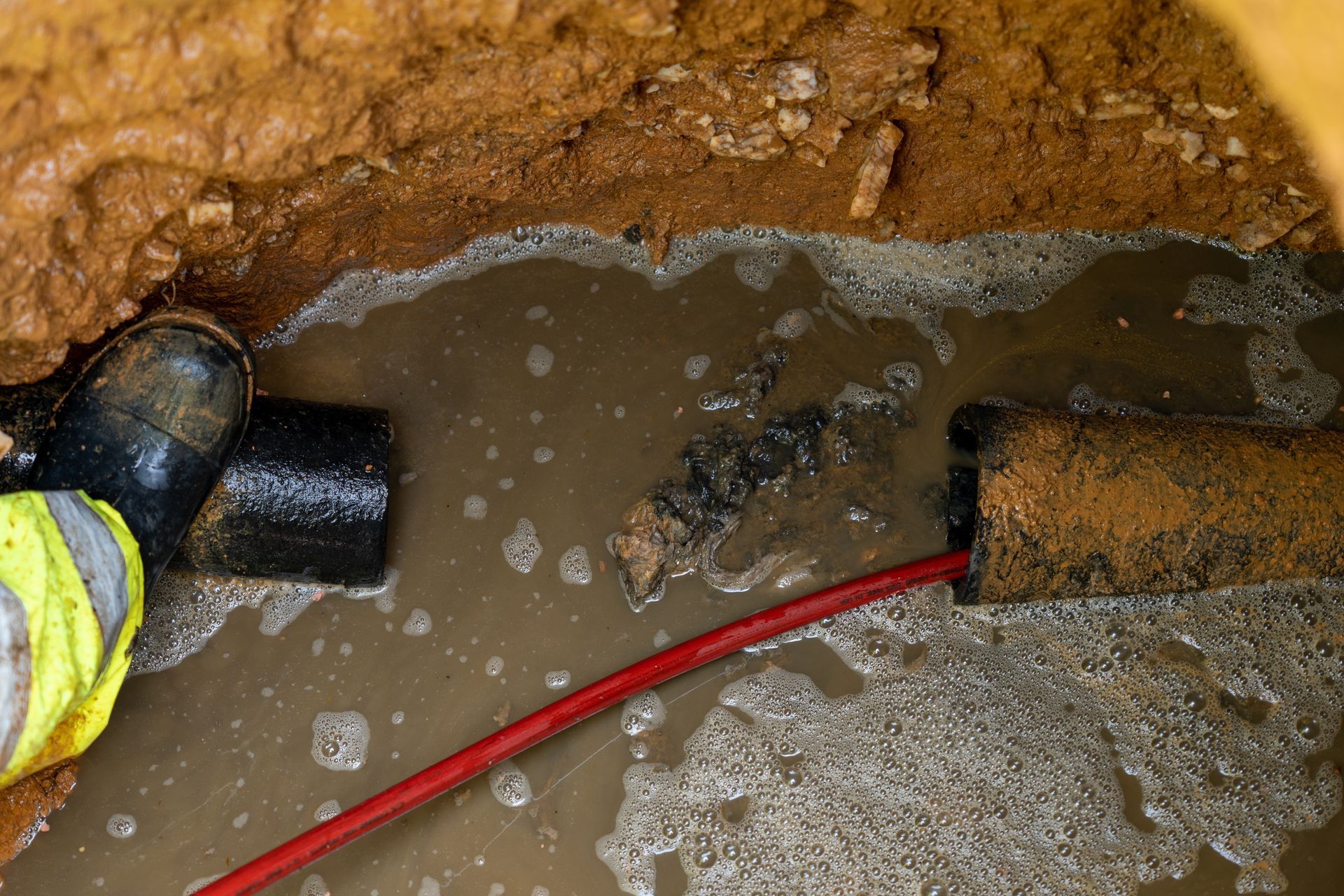
When a Suwanee homeowner calls about a slow or blocked sewer line, one of the first decisions the plumber makes is which clearing method to apply. Mechanical snaking and hydro jetting both clear sewer lines and both are appropriate tools in the right situation. They are not interchangeable, and using the wrong method for the actual pipe condition either produces incomplete results that recur within weeks or applies more force than the pipe can safely handle.
Superior Plumbing has served Gwinnett County since 1988 and handles sewer line clearing for residential properties throughout the area using both methods. The method selected on any given job is determined by camera inspection findings and pipe condition assessment, not by default preference. Here is an honest comparison of what each approach does, where each excels, and how to know which one applies to your specific situation.
What Mechanical Snaking Does and Where It Works
A sewer snake, also called a drain auger, feeds a flexible cable through the pipe to the blockage location. The cable rotates and either breaks through the obstruction or retrieves it back toward the access point. Snaking is fast, effective for simple blockages, and appropriate for situations where the obstruction is an isolated accumulation of debris in an otherwise clean and structurally sound pipe.
Snaking is the right starting point for a first-time blockage in a home with relatively new PVC plumbing where the pipe interior is smooth and free of buildup. It is also the appropriate conservative approach when the pipe condition is unknown and camera inspection has not yet been performed. Snaking is lower pressure than jetting and less likely to cause problems in a pipe with unknown deterioration or fragile joints.
The limitation of snaking is that it creates a path through the blockage rather than removing the blockage material from the pipe wall. Grease coating the interior surface, biofilm attached to the pipe wall, and root tendrils anchored at joint gaps are not removed by a cable that passes through the center of the obstruction. The pipe may flow freely immediately after snaking and slow again within weeks as the remaining material on the walls catches new debris passing through.
What Hydro Jetting Does and Where It Works
Hydro jetting uses a specialized nozzle fed through the pipe that directs high-pressure water streams forward and backward simultaneously. The forward streams break up blockages. The backward streams scour the pipe wall, removing grease, biofilm, and debris from the interior surface rather than just creating a path through the center of the obstruction.
The result is a pipe that flows freely because the interior surface is clean, not merely a pipe with a path punched through a blockage that remains partially attached to the wall. For homes in Suwanee's established neighborhoods with older cast iron drain lines or a history of recurring blockages despite regular snaking, jetting produces meaningfully more durable results because it addresses the cause of the recurrence rather than repeating the same partial solution.
Jetting is also the appropriate response when camera inspection reveals root tendrils attached to the pipe interior at joint gaps. Snaking can break a root mass and create a path through it, but the tendrils remaining on the pipe wall continue to catch debris and the line rebuilds its blockage quickly. Jetting cuts root material from the pipe wall more completely, though it does not repair the joint gap through which the roots entered, which may require additional repair depending on severity.
When Each Method Is the Right Call
Snaking is appropriate when: camera inspection confirms the pipe interior is clean and the problem is an isolated debris accumulation, the pipe is relatively new and in sound condition, the blockage is the first occurrence rather than a recurring pattern, and the pipe material and condition are unknown and conservative clearing is indicated while diagnosis proceeds.
Jetting is appropriate when: camera inspection reveals grease coating or biofilm on the pipe interior, root tendrils are attached to the pipe wall at joint gaps, the same line has been snaked repeatedly with recurring blockages within weeks of each clearing, or the line serves a kitchen drain or application with consistently high grease load.
The pressure used in jetting is calibrated to the pipe condition. A camera inspection before jetting confirms the pipe can handle the pressure level being applied. Superior Plumbing does not apply high-pressure jetting to pipes with significant deterioration, active cracks, or vulnerable joints without that assessment first. For pipes where jetting is not appropriate due to condition, targeted repair of the compromised section is the right step before any high-pressure clearing is applied.
Camera Inspection: The Step That Makes the Right Method Clear
The most important step in any sewer line clearing service is the camera inspection that happens before the clearing method is selected. A camera inspection identifies the type of blockage, its location in the line, the condition of the pipe interior, and whether any structural issues like cracks, offset joints, or pipe belly are contributing to the problem alongside the immediate blockage.
Without that information, the choice between snaking and jetting is an educated guess based on symptoms rather than a decision based on documented pipe condition. An educated guess may be correct, but it may also result in applying a method that produces incomplete results or applying pressure to a pipe that cannot safely handle it.
Camera inspection after clearing confirms the result. The post-clearing camera pass shows the pipe interior condition following the work, confirms the obstruction was fully removed, and documents any structural findings that warrant attention independent of the blockage. Superior Plumbing provides camera confirmation on sewer line clearing jobs where the findings support it.
Root Intrusion in Suwanee Neighborhoods: A Specific Consideration
Suwanee's established neighborhoods with mature hardwood landscaping present a specific pattern that differs from newer development areas. Older trees have had decades to extend root systems toward underground moisture sources, and sewer line joints are reliable moisture locations in any soil condition. Camera inspection before sewer clearing in these neighborhoods is particularly important because root intrusion is common and the appropriate response differs significantly from a straightforward grease blockage.
Jetting cuts root tendrils from the pipe wall. It does not seal the joint gap through which roots entered. Camera inspection after jetting confirms the clearing result and identifies whether root intrusion has caused pipe damage requiring repair alongside the clearing. A joint that has allowed root entry may need sealing or pipe lining depending on the severity and location.
Superior Plumbing: Suwanee Sewer Line Clearing Specialists
Superior Plumbing has served Gwinnett County residential and commercial customers since 1988. The team uses both mechanical snaking and hydro jetting and selects the method based on camera inspection findings rather than defaulting to the same approach for every call. TrustDale certified. Google Guaranteed. 24/7 answering. Contact Superior Plumbing or call 770-422-7586 to schedule sewer line clearing in Suwanee.
Schedule Sewer Line Clearing in Suwanee
If you are dealing with a slow or blocked sewer line, contact Superior Plumbing to schedule a camera inspection and clearing. Call 770-422-7586 any time.
Frequently Asked Questions About Sewer Jetting vs. Snaking
How do I know if I need jetting or snaking for my sewer line?
Camera inspection determines which method fits. Grease coating the pipe walls, root tendrils at joint gaps, or systematic buildup throughout the run indicates jetting. An isolated debris accumulation in an otherwise clean pipe is usually suitable for snaking. Superior Plumbing uses camera inspection before recommending either method.
Is hydro jetting safe for older sewer pipes in Gwinnett County?
Jetting pressure is calibrated to pipe condition confirmed by camera inspection first. For pipes with significant deterioration, cracks, or vulnerable joints, pressure is adjusted or snaking is used instead. Superior Plumbing does not apply high-pressure jetting without confirming the pipe can handle it safely.
Why does my sewer line keep blocking after snaking?
Recurring blockages after snaking usually mean grease or root material remains attached to the pipe wall, catching new debris after the cable passed through. Jetting removes that material from the wall surface rather than just creating a center path. Camera inspection confirms which condition is causing the recurrence.
How long does hydro jetting take for a residential sewer line?
Most residential sewer line jetting completes in one to two hours depending on line length and severity of buildup. Camera inspection before and after adds time but confirms the result. Superior Plumbing provides a realistic timeline before any sewer line service begins.
Can jetting remove tree roots from a sewer line?
Jetting removes early to moderate root intrusion from the pipe interior. The high-pressure streams cut root tendrils from the pipe wall and flush debris downstream. Significant root mass that has caused structural damage requires mechanical cutting first or excavation depending on the extent of pipe damage.
Does Superior Plumbing offer camera inspection before sewer clearing?
Yes. Camera inspection is standard practice before recommending a clearing method for sewer line work. The camera identifies the blockage type and location, confirms pipe condition, and ensures the right method is used for the actual situation rather than defaulting to the same approach every time.