Replacing Your Water Heater in Hiram, GA: What to Know Before You Choose a Unit
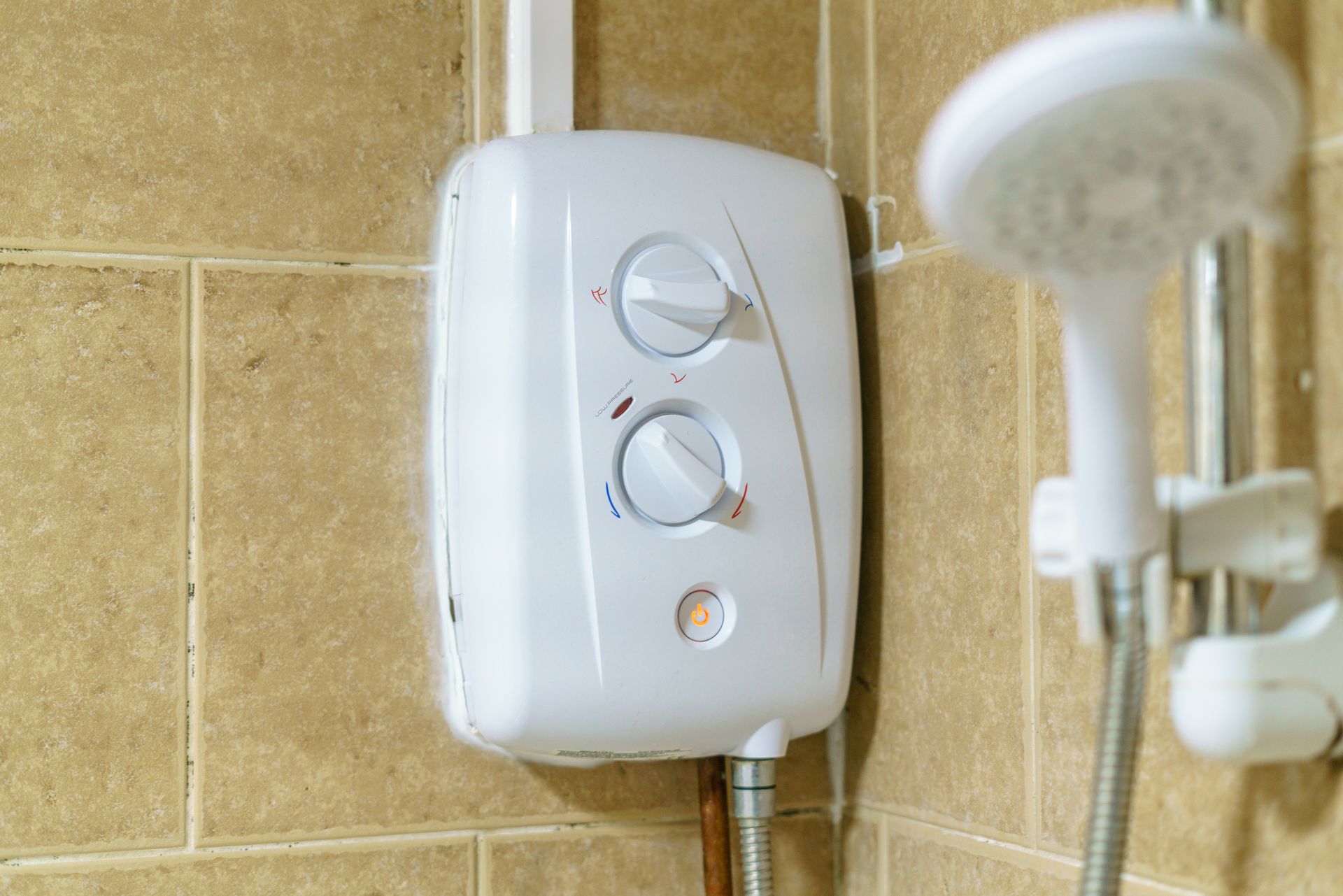
A water heater that stops producing adequate hot water, makes banging or rumbling sounds during the heating cycle, or shows rust-colored water at the tap is delivering a clear message. In Hiram and across Paulding County, most of those signals point toward the same conclusion: the unit is near or past end of life, and the conversation has shifted from whether to replace it to how to do it right. Getting that replacement right involves more than ordering the same size unit that came out and having it connected in the same location.
Superior Plumbing has served Metro Atlanta and surrounding communities since 1988 and handles water heater replacement for residential properties throughout the area. The right replacement unit depends on household size, usage patterns, the available fuel source at the installation location, and how long the homeowner plans to stay in the property. Here is what to consider before choosing a replacement unit and before calling the first number that comes up in a search.
Signs the Water Heater Needs Replacing Rather Than Repairing
Age is the starting point for the replacement conversation. A tank water heater realistically delivers 10 to 12 years of reliable service in most residential installations, with some units stretching to 15 years under favorable conditions and with regular maintenance. A unit within two or three years of that threshold that begins showing problems is almost always a better replacement candidate than a repair candidate, because repair money spent on an aging unit typically buys a short extension before the next failure rather than meaningful additional service life.
Rust-colored water from the hot side only, with cold water running clear, points toward interior tank corrosion. A corroding tank leaks eventually, and the leak typically arrives without much additional warning. Rumbling or banging sounds during the heating cycle are caused by sediment buildup on the heating element or tank bottom, which both reduces efficiency and stresses the tank material over time. Leaks from the tank body itself, as opposed to leaks at fittings or connections, indicate structural tank failure rather than a serviceable component issue.
A water heater running R-22 refrigerant does not apply, but a unit that requires refrigerant-like additives or specialized parts that are no longer manufactured for its platform represents the same practical situation: repair cost is increasing, parts availability is declining, and replacement is the logical conclusion rather than continuing to invest in a platform that is past its support lifecycle.
How to Size a Replacement Water Heater Correctly
Tank water heater capacity is measured in gallons, and the right size depends on household size and peak demand patterns rather than simply matching the unit being replaced. A household of two or three people with staggered morning schedules manages adequately with a 40-gallon tank. A household of four or more with overlapping hot water demand in the morning, particularly in a home where multiple showers run close together alongside a dishwasher or laundry cycle, needs 50 gallons or more to avoid the cold-water sandwich that results from a tank running to depletion during peak demand.
First Hour Rating, abbreviated FHR, is the more precise specification for comparing units. It measures how many gallons of hot water the tank can deliver in the first hour of use starting from a full tank at operating temperature. Two 50-gallon tanks from different manufacturers can have meaningfully different FHR values depending on heating element efficiency and recovery rate. FHR is the right number to compare when evaluating units for a specific household's demand pattern, not just tank capacity.
For Hiram and Paulding County homeowners, water heater sizing deserves particular attention because older homes in the area sometimes have units that were undersized for the household from the original installation. A replacement that simply matches the old unit size may perpetuate a hot water supply problem rather than resolve it. Superior Plumbing evaluates actual household demand during the estimate and recommends the correctly sized unit based on that assessment.
Gas vs. Electric: Practical Considerations for Hiram Homes
The fuel type of the replacement unit should generally match the fuel source already serving the installation in most cases. Switching from gas to electric or electric to gas requires new supply line work and potentially significant electrical panel upgrades, which adds cost and complexity that makes sense to take on only when there is a clear practical reason to change fuel types.
Gas water heaters heat water faster and recover more quickly after depletion than standard electric resistance heaters. For households with high hot water demand and back-to-back usage patterns, the faster recovery rate of gas is a meaningful practical advantage. Electric heat pump water heaters are the high-efficiency alternative for households where gas is not available or practical, and they can reduce water heating energy costs significantly compared to standard electric resistance units. Superior Plumbing advises on the right fuel type and efficiency level for the specific home during the estimate visit.
What the Installation Actually Involves
A water heater replacement that appears straightforward on the surface sometimes reveals additional scope during installation. Corroded supply line connections that need replacing before the new unit can be safely connected. A shutoff valve that has not been operated in years and fails when finally closed. A flue pipe configuration on a gas unit that does not meet current code for the new unit's venting requirements. Seismic strapping requirements in locations where the old installation did not meet current code.
None of these are hidden charges in a transparent estimate. They are findings that arise during installation and that get communicated to the homeowner before any additional work proceeds. Superior Plumbing does not add scope without homeowner approval. The estimate covers the stated scope, and anything beyond that is discussed and authorized before the additional work is done.
Permits and Code Compliance in Paulding County
Water heater replacement requires a permit in Georgia. The permit triggers an inspection that confirms the installation meets Georgia Plumbing Code, including proper venting, seismic strapping, TPR valve installation, and connection requirements. For the homeowner, that inspection is the third-party confirmation that the work was done correctly, which matters for both insurance purposes and future real estate transactions.
A contractor who discourages permit-pulling by citing cost or timeline savings on a water heater replacement is a contractor whose installation may not meet code or who prefers not to have an inspection find out. Superior Plumbing handles permits as a standard part of every qualifying water heater replacement in Paulding County.
Superior Plumbing: Hiram and Paulding County Water Heater Specialists
Superior Plumbing has served Metro Atlanta residential customers since 1988. Water heater replacement and installation is a core service. TrustDale certified with a $10,000 guarantee. Google Guaranteed. Best of Cobb winner. 24/7 answering. Use the instant water heater quote tool on the website for a preliminary number, or call 770-422-7586 to schedule service in Hiram.
Schedule a Water Heater Estimate
Ready to replace your water heater or want an assessment of whether repair or replacement is the right call? Contact Superior Plumbing or call 770-422-7586 to get started.
Frequently Asked Questions About Water Heater Replacement
How do I know if my water heater needs replacing or just repairing?
A unit under eight years old with an isolated component failure is usually a repair candidate. A unit over ten to twelve years old, producing rust-colored water, actively leaking from the tank body, or requiring repeated repairs is typically past the point where repair money makes financial sense.
What size water heater do I need for my Hiram home?
Tank size depends on household size and peak demand. Most two to three person households manage with 40 gallons. Households of four or more with overlapping demand often need 50 gallons or more. First Hour Rating is a more precise specification than tank capacity alone for comparing units.
How long does water heater installation take?
Most standard tank water heater replacements complete in two to four hours. Additional time is needed when supply lines, shutoff valves, or flue connections require modification. Superior Plumbing provides a realistic installation timeline and communicates any additional scope before proceeding with work.
Is a permit required for water heater replacement in Georgia?
Yes. Water heater replacement requires a permit in Georgia. The permit triggers an inspection confirming the installation meets code. Superior Plumbing handles the permit process as part of every qualifying replacement. A contractor who skips permits creates a code and insurance compliance problem for the homeowner.
Can Superior Plumbing provide an instant water heater quote?
Yes. Superior Plumbing offers an instant water heater quote tool on the website for homeowners who want a preliminary price before scheduling. The online quote covers standard tank replacement. Complex installations or additional scope are quoted during the in-person estimate visit.
Does Superior Plumbing service all major water heater brands?
Yes. Superior Plumbing services and installs all major tank water heater brands for residential properties throughout Metro Atlanta. Brand recommendations during the estimate are based on reliability, parts availability, and warranty terms rather than brand preference or margin considerations.