Tankless vs. Tank Water Heater in Hiram, GA: An Honest Comparison Before You Decide
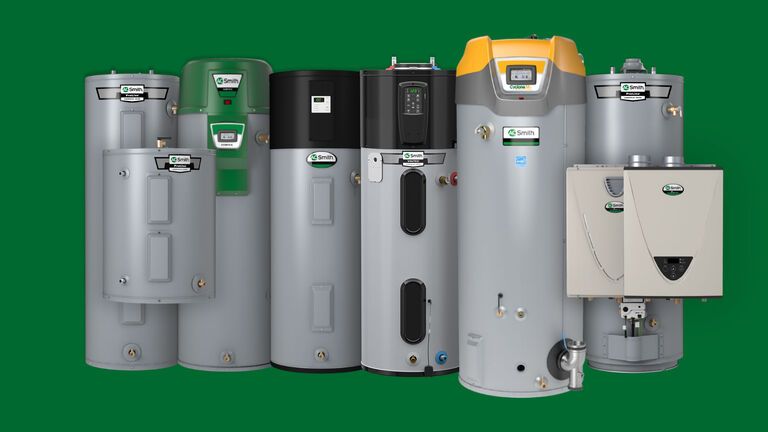
A water heater replacement is an opportunity to evaluate whether the same type of unit that came out is the right choice going back in. The tankless versus tank conversation is worth having honestly for every replacement, not just for households already committed to one side. For some Paulding County homeowners, the math and practical fit clearly favor tankless. For others, a quality tank unit installed correctly is the better answer. The decision depends on factors that are specific to the household and the home, not on marketing claims from either direction.
Superior Plumbing installs both tank water heaters and tankless water heaters for residential properties throughout Metro Atlanta. The recommendation during any estimate is based on the specific home, household demand, and ownership timeline rather than a preference for either unit type. Here is a straight comparison of what each delivers, what each requires, and how to determine which one is actually right for your situation.
How Tank Water Heaters Work and Where They Excel
A tank water heater stores and maintains a reservoir of heated water at a set temperature, typically 40 to 80 gallons depending on unit size. When hot water is drawn at a fixture, the tank delivers stored hot water and begins heating incoming cold water to replenish the supply. The limitation is finite capacity: a household that draws more hot water than the tank holds before the heating cycle can replenish the loss will experience cold water at the fixture until recovery is complete.
Tank water heaters excel in simplicity, lower upfront cost, and compatibility with existing infrastructure. A tank replacement in Hiram typically connects to the existing gas line, flue, and supply connections with minimal modification when the same fuel type is maintained. The installation is faster, the unit itself is less expensive, and the technology is well understood by every licensed plumber who services residential properties.
The operating cost trade-off is standby heat loss. A tank water heater maintains its reservoir temperature continuously, cycling on and off throughout the day and night to compensate for the heat that dissipates through the tank walls even when no hot water is being used. In a household where the water heater runs frequently through the day, this standby heat loss is a meaningful but manageable operating cost. In a household where hot water demand is concentrated in a short morning window with minimal use through the rest of the day, standby loss represents energy spent maintaining hot water that sits unused for hours.
How Tankless Water Heaters Work and Where They Excel
A tankless, or on-demand, water heater heats water directly as it flows through the unit rather than storing a reservoir. There is no finite tank to deplete. As long as the unit is correctly sized for the simultaneous demand the household places on it, hot water flows continuously without the recovery limitation that a tank unit carries at peak demand.
Tankless units use energy only when hot water is actively being drawn. The standby heat loss that a tank unit incurs continuously throughout the day and night does not apply to a tankless system. In a household with significant daily hot water demand spread across the day, the energy savings from eliminating standby heat loss compound over the lifespan of the unit into a meaningful total reduction in operating cost.
Lifespan is the other significant advantage. Quality tankless units from established manufacturers typically last 20 or more years with proper annual maintenance. Tank water heaters realistically deliver 10 to 12 years. For a Hiram homeowner planning a long-term stay in the property, that difference means at least one full tank replacement cycle that the tankless owner avoids. Over a 20-year ownership period, the longer replacement cycle on tankless changes the total cost comparison substantially from the upfront price difference alone.
What Tankless Installation Actually Involves in Hiram Homes
The honest trade-off with tankless is installation complexity and upfront cost. A gas tankless unit in Hiram typically requires a larger diameter gas supply line than what served the tank it is replacing. Tankless units draw gas in large bursts to heat water on demand rather than the lower continuous draw of a tank unit. Upgrading the gas line adds to installation cost and timeline. The existing line may need to be replaced from the meter to the installation location depending on its current diameter and condition.
Venting requirements also differ from a tank gas unit. A condensing gas tankless unit typically vents with PVC pipe rather than the metal flue a conventional gas tank uses. The existing flue may not be reusable, which means new venting has to be run to an appropriate exterior termination point. Superior Plumbing assesses the existing gas line and venting configuration during the estimate for Hiram homeowners and includes any required modifications in the quoted scope so the total cost is transparent before any commitment is made.
Electric tankless units for whole-home application require electrical service upgrades that are not practical in most existing homes without significant panel work. Point-of-use electric tankless units at individual fixtures are effective supplemental solutions for a distant bathroom or an addition where running a dedicated hot water line is impractical, but they are not a whole-home solution. For whole-home tankless application in most Hiram homes, gas is the practical fuel type.
The Cost Comparison Over Time
The upfront cost difference between tankless and tank replacement is real and meaningful. Tankless units cost more, and the installation typically costs more due to gas line and venting modifications. For a homeowner making a short-term decision based on immediate cost, tank replacement is almost always the lower number.
The longer-term comparison is more nuanced. Tankless eliminates the replacement cycle that a tank unit requires within 10 to 12 years. It reduces monthly energy cost through the elimination of standby heat loss. And for households in Paulding County where water contains moderate mineral content, the tankless unit's heat exchanger requires annual descaling maintenance that is a routine service cost, while a tank unit accumulates sediment that both reduces efficiency and stresses the tank material over time.
Superior Plumbing walks Hiram homeowners through the side-by-side cost comparison for their specific home and household during the free estimate visit. The goal is a decision based on actual numbers rather than general guidance that may not reflect the specific situation.
Superior Plumbing: Hiram and Paulding County Water Heater Specialists
Superior Plumbing installs both tank and tankless water heaters for residential properties throughout Paulding County and Metro Atlanta. TrustDale certified. Google Guaranteed. Best of Cobb winner. Owned and operated by licensed master plumber Jay Cunningham. 24/7 answering. Get an instant water heater quote online or call 770-422-7586 to schedule.
Schedule a Free Water Heater Consultation
If you are deciding between tank and tankless and want an honest recommendation based on your specific home and household, contact Superior Plumbing for a free estimate. Call 770-422-7586 to get started.
Frequently Asked Questions About Tank vs. Tankless Water Heaters
Is a tankless water heater worth the higher cost in Hiram?
For households with high daily demand and long ownership horizons, yes. Energy savings from eliminating standby heat loss and the longer unit lifespan often justify the cost premium over a 10 to 15 year period. For moderate-demand households or shorter ownership timelines, a quality tank unit typically delivers better overall value.
Can a tankless water heater run out of hot water?
A properly sized tankless unit will not run out because it heats on demand rather than drawing from a finite reservoir. Simultaneous high-demand situations can exceed an undersized unit's capacity. Correct sizing based on peak simultaneous demand prevents this. Superior Plumbing sizes units based on actual household demand during the estimate.
What gas line modifications does tankless installation require?
Most gas tankless units require a larger diameter gas supply line than a tank water heater since tankless draws gas in large bursts. The existing line often needs upgrading. Superior Plumbing assesses the gas line during the estimate and includes required modifications in the quote before any commitment is made.
How long does a tankless water heater last compared to a tank?
Quality tankless units typically last 20 or more years with proper maintenance. Tank water heaters deliver 10 to 12 years in most residential installations. The longer replacement cycle on tankless is a meaningful factor in the cost comparison over any 20-year ownership period.
Does Superior Plumbing install both tank and tankless water heaters in Hiram?
Yes. Superior Plumbing installs both unit types for residential properties throughout Paulding County. The recommendation during the estimate is based on the specific home, household demand, and ownership timeline. Both unit types receive the same standard of licensed installation and post-installation service.
What maintenance does a tankless water heater require?
Annual descaling removes mineral buildup from the heat exchanger, critical in areas with moderate to hard water. The inlet filter screen should be cleaned periodically. A licensed plumber should inspect the unit every two to three years. Proper maintenance extends lifespan and maintains the efficiency that makes tankless cost-effective over time.