Why Is My Sewer Line Backing Up? A Guide for Woodstock Homeowners
Homeowners in Woodstock neighborhoods, from the established estates in Eagle Watch to the newer developments near Downtown Woodstock, often face a common dread. It usually starts with a slow-draining sink or a gurgling sound in the toilet, but it can quickly escalate into a full-scale sewer backup. In North Cherokee County, our unique landscape offers specific challenges that can lead to catastrophic plumbing failures if left unaddressed. Understanding why these issues occur and how to handle them is the first step in protecting your property and your peace of mind.
This guide explores the primary causes of sewer line failures in our area, how to spot the early warning signs, and what steps you can take to resolve the issue before it leads to a costly emergency.
Understanding the Sewer Line Struggle in Woodstock
The sewer lateral is the underground pipe that connects your home to the municipal sewer main or a septic tank. In Woodstock, several factors work against the health of these pipes. The heavy Georgia red clay is notorious for shifting and expanding with moisture changes, which puts immense physical pressure on older pipe materials like cast iron or clay.
Furthermore, many of our most beautiful neighborhoods are known for their mature tree canopies. While these trees add value and shade, their root systems are constantly seeking moisture. A tiny hairline crack in a sewer pipe is enough to invite a root system that will eventually grow into a massive blockage. If you are experiencing frequent backups, it is often a sign that the structural integrity of your line is compromised by these local environmental factors.
Common Signs of a Damaged Sewer Line
Identifying a sewer problem early can be the difference between a simple repair and a total line replacement. Watch for these specific symptoms in your home:
- Recurring Clogs: If you find yourself reaching for a plunger or a snake more than once every few months, the blockage is likely deeper than the local drain.
- Soggy Patches in the Yard: If a specific area of your lawn is greener or softer than the rest, it may be receiving "fertilizer" from a leaking sewer pipe.
- Foul Odors: Sewer gas should never be detectable inside or outside your home. A persistent "rotten egg" smell is a clear indicator of a breach.
- Multiple Slow Drains: When the main line is blocked, it affects every fixture in the house simultaneously.
If you notice these issues, it is important to address them immediately. You can schedule a sewer camera inspection to find the exact location of the problem without any guesswork.
The Most Frequent Causes of Sewer Failure
In Woodstock, most sewer issues fall into three categories:
- Root Intrusion: As mentioned, roots are the number one enemy of sewer lines in Cherokee County. Once they enter a joint, they expand until the pipe cracks or becomes completely obstructed.
- Pipe Bellies or Sags: The shifting red clay can cause sections of the pipe to sink. This creates a "low spot" where waste and debris collect, eventually leading to a hard blockage that cannot be cleared with simple snaking.
- Aging Materials: Many homes built several decades ago use cast iron or orangeburg pipes. These materials have a natural lifespan and eventually succumb to interior corrosion or "scaling," which catches debris and slows down flow.
Traditional Excavation: When the Pipe Must Be Replaced
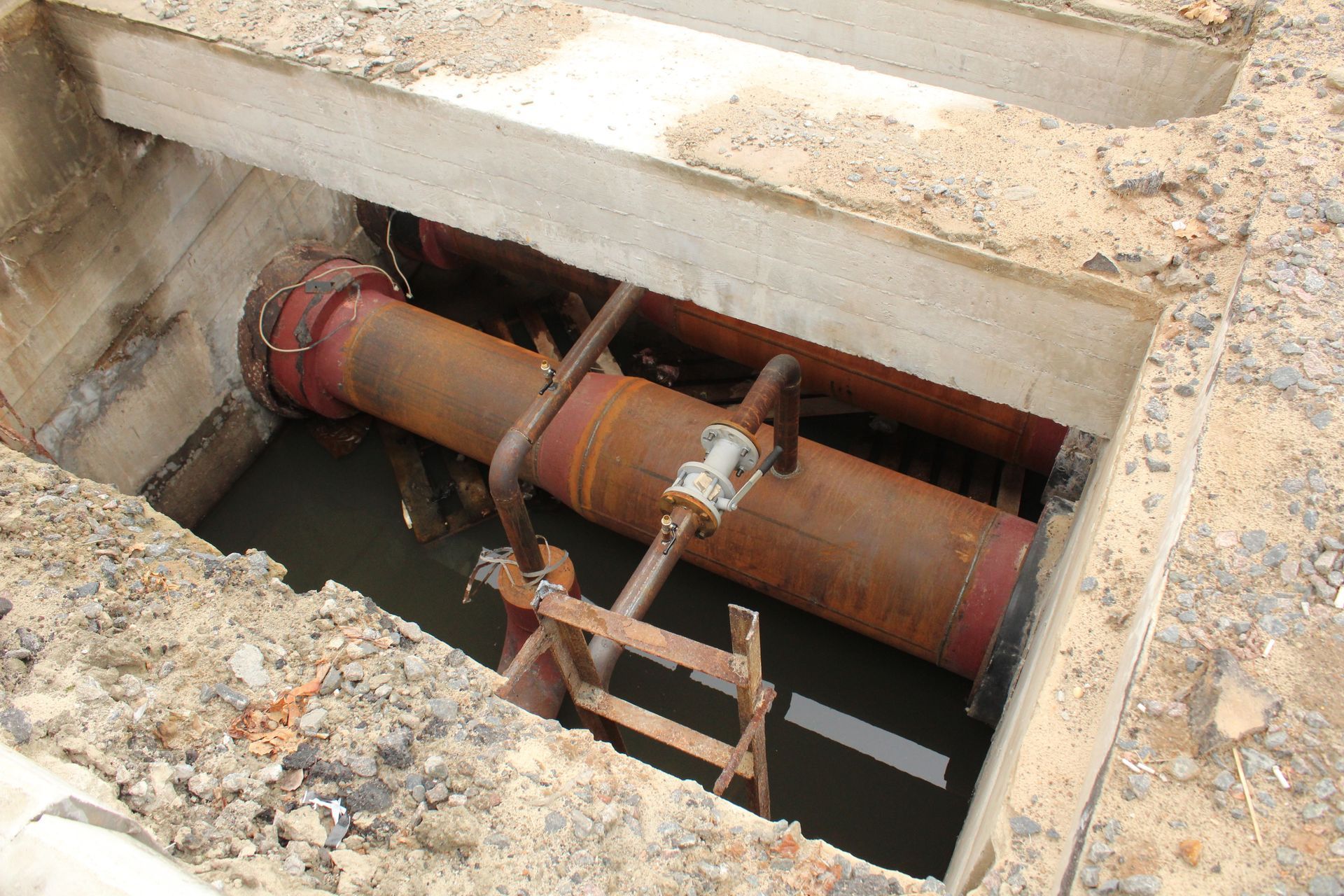
When a pipe has fully collapsed or suffered a severe "belly" that disrupts the flow of waste, traditional excavation is the most reliable solution. This process involves using specialized machinery to dig a trench following the path of the sewer lateral. While this may seem invasive, it is often the only way to ensure the new pipe is laid at the correct slope to prevent future backups.
Modern excavation techniques have become much more precise. Professionals can now pinpoint the exact section of the pipe that is failed, sometimes allowing for a "spot repair" rather than a full line replacement. For more extensive issues, a full sewer line repair ensures that your home has a brand new, high density plastic pipe that is resistant to the chemical and physical stresses of the Georgia soil.
The Cost of Sewer Repair in Woodstock
The cost of resolving a sewer issue varies significantly based on the depth of the pipe and the length of the run. In 2026, Woodstock homeowners can expect the following price ranges for professional intervention:
- Professional Main Line Cleaning: $250 to $600. This is a temporary fix for clogs or minor root issues.
- Spot Repairs: $1,500 to $4,000. This involves digging up and replacing a specific 5 to 10 foot section of damaged pipe.
- Full Sewer Line Replacement: $5,000 to $15,000+. This depends on whether the line runs under a driveway, a patio, or established landscaping.
Investing in a high quality replacement now can save thousands in the long run by avoiding the repeated costs of emergency plumbing visits and property damage restoration.
When to Call a Professional
Sewer issues are not a DIY project. The use of heavy chemicals can actually accelerate the corrosion of older pipes, making the problem worse. You should call a professional if you experience a "total backup" where no water will leave the house, or if you see sewage surfacing in your yard.
A professional team will use a high definition camera to provide a visual report of the interior of your pipes. This transparency ensures you aren't paying for a full replacement when a simple cleaning or spot repair would suffice. If your system is old and failing, it might be time to look into a full plumbing system upgrade to ensure your home remains functional and safe.
Local Expertise for Woodstock Homes
Our team of licensed plumbers has served Metro Atlanta and the Woodstock community for decades. We understand the specific soil conditions and housing styles found in neighborhoods like Towne Lake and Wyngate. We provide honest assessments and utilize the latest diagnostic tools to ensure your sewer system is handled with the highest level of professional care. We back our work with industry leading warranties so you can rest easy knowing your home's infrastructure is secure.
Schedule Professional Sewer Service in Woodstock
If your drains are slow or your yard is showing signs of a leak, do not wait for a total system failure. Our experienced technicians provide expert sewer diagnostics and repair services throughout Woodstock and Cherokee County. Call today to schedule your inspection and protect your home from the stress of a sewer emergency.