Why Your Sandy Springs Water Heater Struggles During the Winter Freeze
In the wooded estates of Riverside and the bustling neighborhoods near City Springs, Sandy Springs homeowners are well-acquainted with the beauty of a North Georgia winter. However, when the "Polar Vortex" dips south and temperatures in the 30328 and 30350 zip codes drop below freezing, your home’s plumbing enters a state of high stress.
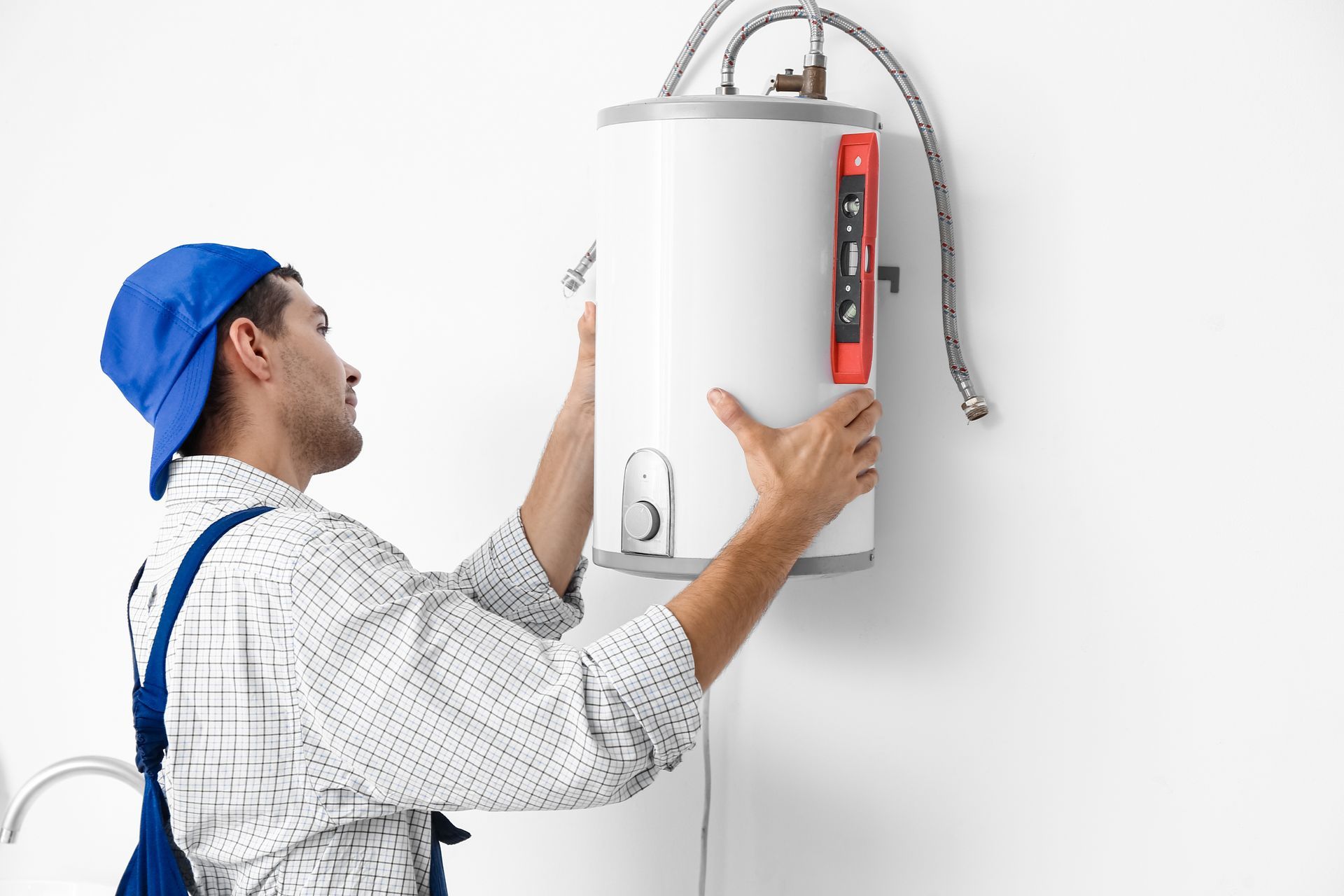
If you’ve noticed that your morning shower takes longer to get hot, or if the water temperature seems lukewarm despite the dial being turned up, you aren't imagining it. Your water heater is fighting a physical battle against the elements. In Sandy Springs, where many homes feature water heaters located in unconditioned spaces like crawlspaces, garages, or attics, the winter freeze can slash efficiency and even lead to catastrophic tank failure..
The Groundwater Temperature Deficit and Standby Heat Loss
The most common reason for a struggling water heater in the winter is the temperature of the water entering the tank. During a Sandy Springs summer, groundwater enters your home at roughly 65°F. During a winter freeze, that incoming water temperature can plummet to 35°F. This means your heater must work twice as hard to achieve the same 120°F output, resulting in longer recovery times and higher energy bills.
Furthermore, many North Atlanta homes were built with water heaters tucked away in ventilated crawlspaces or basements. When the ambient air temperature drops, your tank acts like a giant radiator, losing heat through the jacket of the tank in a process known as standby heat loss. If your tank isn't properly insulated, the burner will kick on repeatedly just to maintain the set temperature. If a winter storm leads to a sudden pipe breach, you may need to call for emergency plumbing and pipe burst repair to prevent significant water damage to these unconditioned spaces.
Pressure Spikes, Sediment, and 2026 Cost Factors
While the water inside the tank is hot, the pipes leading to and from a water heater in Sandy Springs, GA are often vulnerable to thermal expansion. Cold weather causes metal components to contract and expand, which can weaken fittings and tank seams. Additionally, cold weather can accelerate the buildup of mineral sediment. This layer acts as an insulator, forcing the unit to run longer and potentially causing the tank to overheat or crack.
In 2026, the cost of proactive maintenance is significantly lower than an emergency replacement. A professional annual maintenance flush typically ranges from $150 to $300 in the Atlanta area, while installing an expansion tank to handle thermal pressure spikes usually costs between $350 and $600. When comparing long-term value, a professional water heater repair and replacement in Sandy Springs, GA ensures your system is up to current Georgia plumbing codes and can handle the increased winter load.
When to Call a Professional
Cold weather often reveals the weakest link in an aging system. You should call a specialist if you hear a popping or rumbling sound, which indicates heavy sediment buildup is sapping your unit's heat. Visible leaks are also a major red flag during a freeze, as metal stress can turn a small drip into a catastrophic tank failure in a matter of hours. Finally, if it takes more than an hour for your hot water to return after a single shower, your heating elements or burners are likely failing and require a professional diagnostic.
Schedule a Winter Plumbing Inspection in Sandy Springs
Don't wait for a freezing night to discover your water heater isn't up to the task. Our team understands the specific plumbing challenges of North Atlanta's climate and housing styles. Schedule a winter plumbing inspection today to ensure your tank is insulated, flushed, and ready to provide reliable hot water all winter long.
Quick Answers for Sandy Springs Homeowners (FAQ)
Should I turn up my water heater temperature during the winter?
We do not recommend increasing the setting above 120°F. While it is tempting to turn the dial up when the air is cold, doing so increases the risk of accidental scalding and puts additional strain on the tank's inner lining, which can lead to premature failure and higher utility spikes.
How do I prevent my water heater pipes from freezing?
Insulating all exposed pipes in unheated areas like garages or crawlspaces is critical. During extreme freezes in the 30328 area, letting a faucet furthest from the water heater drip slightly can keep water moving through the lines, which prevents ice from forming and causing a pressure-related burst.
Do I need a permit for water heater work in Sandy Springs?
Yes. The City of Sandy Springs requires a plumbing permit and subsequent inspections for all water heater installations or replacements. This ensures the unit is properly vented and meet the latest Georgia state plumbing codes for safety and efficiency.
Will a tankless water heater freeze during a Sandy Springs cold snap?
Most modern tankless units have built-in electric freeze protection for the internal components. However, if a winter storm causes a power outage, the freeze protection will stop working. In those cases, the unit must be manually drained to prevent the expensive heat exchanger from bursting.
How long does a standard water heater last in North Atlanta?
A traditional tank-style water heater in Sandy Springs typically lasts between 8 and 12 years. The local mineral content in Georgia water can lead to sediment buildup over time, so regular maintenance is the best way to ensure your unit reaches the upper end of that lifespan.